
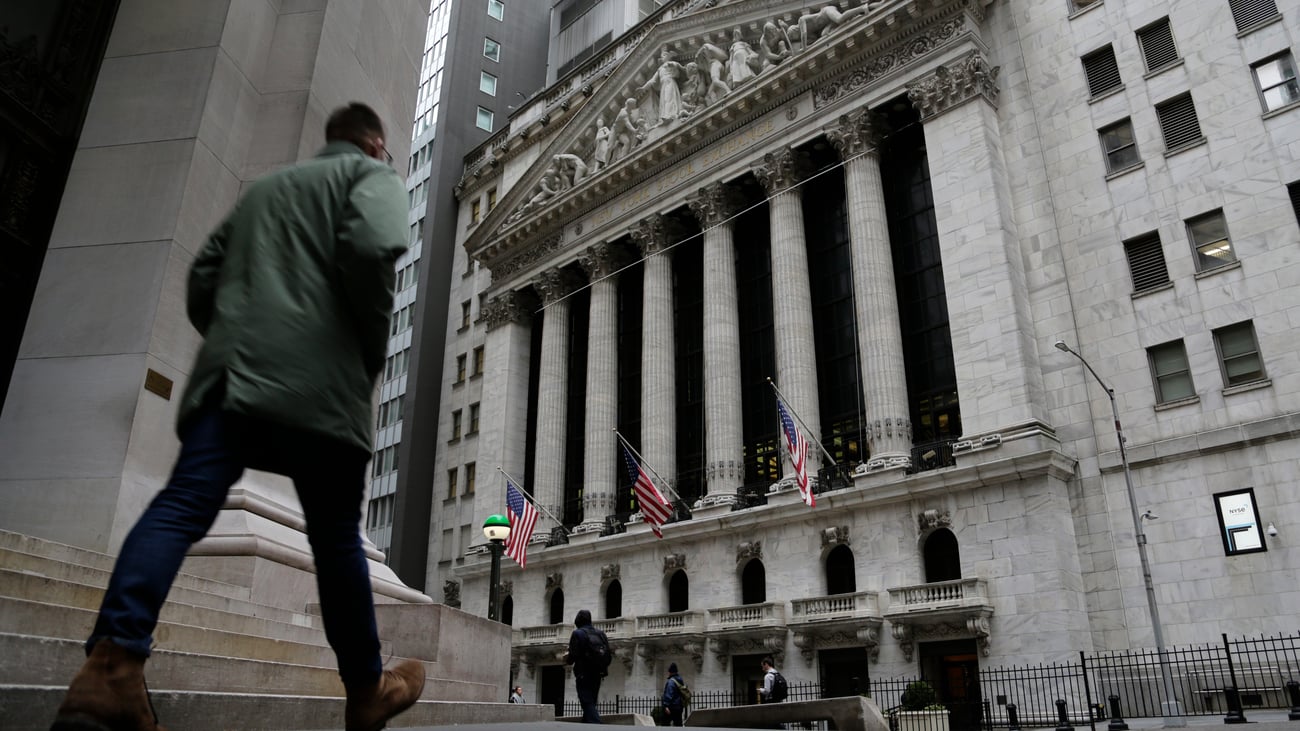
US Federal Reserve: Iran Strait of Hormuz Peace Deal Boosts US Interest Rates
Summary
- The July jobs report showed a loss of 22,000 jobs, sparking hopes that the Federal Reserve may hold off on an interest rate hike next month.
- A potential Iran peace deal has contributed to market optimism, with Brent crude oil prices dropping several dollars lower.
- Recent economic data supports the Federal Reserve's decision to hold course on interest rates, with both manufacturing and service industries continuing to grow.
US Markets React to Iran Peace Deal Hopes
The report shows that isn't the case,
Investors on Wall Street remained optimistic despite a disappointing July jobs report, which showed a loss of 22,000 jobs. The report's unexpected outcome has sparked hopes that the Federal Reserve may hold off on an interest rate hike next month. This sentiment was reflected in the market's performance, with the Dow Jones Industrial Average rising by 1,551 points for the week and the S&P 500 and Nasdaq gaining 268 points and 1,317 points respectively. The news of a potential Iran peace deal also contributed to the market's optimism, with Brent crude oil prices dropping several dollars lower.
Federal Reserve's Interest Rate Hike Plans in Limbo
The Federal Reserve has been sending mixed signals regarding its plans for interest rate hikes. While some officials, such as Governor Lisa Cook and Neel Kashkari, have expressed concerns about inflation and the need to raise rates, others have argued that the current federal funds rate is restrictive and that keeping rates steady would be a more prudent approach. The Fed's last meeting saw a 9-3 vote in favor of keeping rates steady, which has led some investors to believe that an interest rate hike next month may not be imminent.
Economic Data Supports Fed's Decision to Hold Course
Recent economic data has provided further support for the Federal Reserve's decision to hold course on interest rates. A pair of reports from the Institute for Supply Management found that both the manufacturing and service industries continue to grow, with the manufacturing index reaching a four-year high last month. However, the 'prices paid' index remains high at 71.1 points, indicating that inflation is unlikely to drop below 3% anytime soon.
Practical Implications
Lawyers and compliance officers should watch for potential changes in US trade policies and their impact on clients' businesses, particularly those involved in international trade or affected by sanctions.
Source
How does this affect you?
Get an AI analysis of this article grounded in your jurisdictions, practice areas, and any policy documents you've uploaded to Wansom.
Wansom is AI and can make mistakes.