
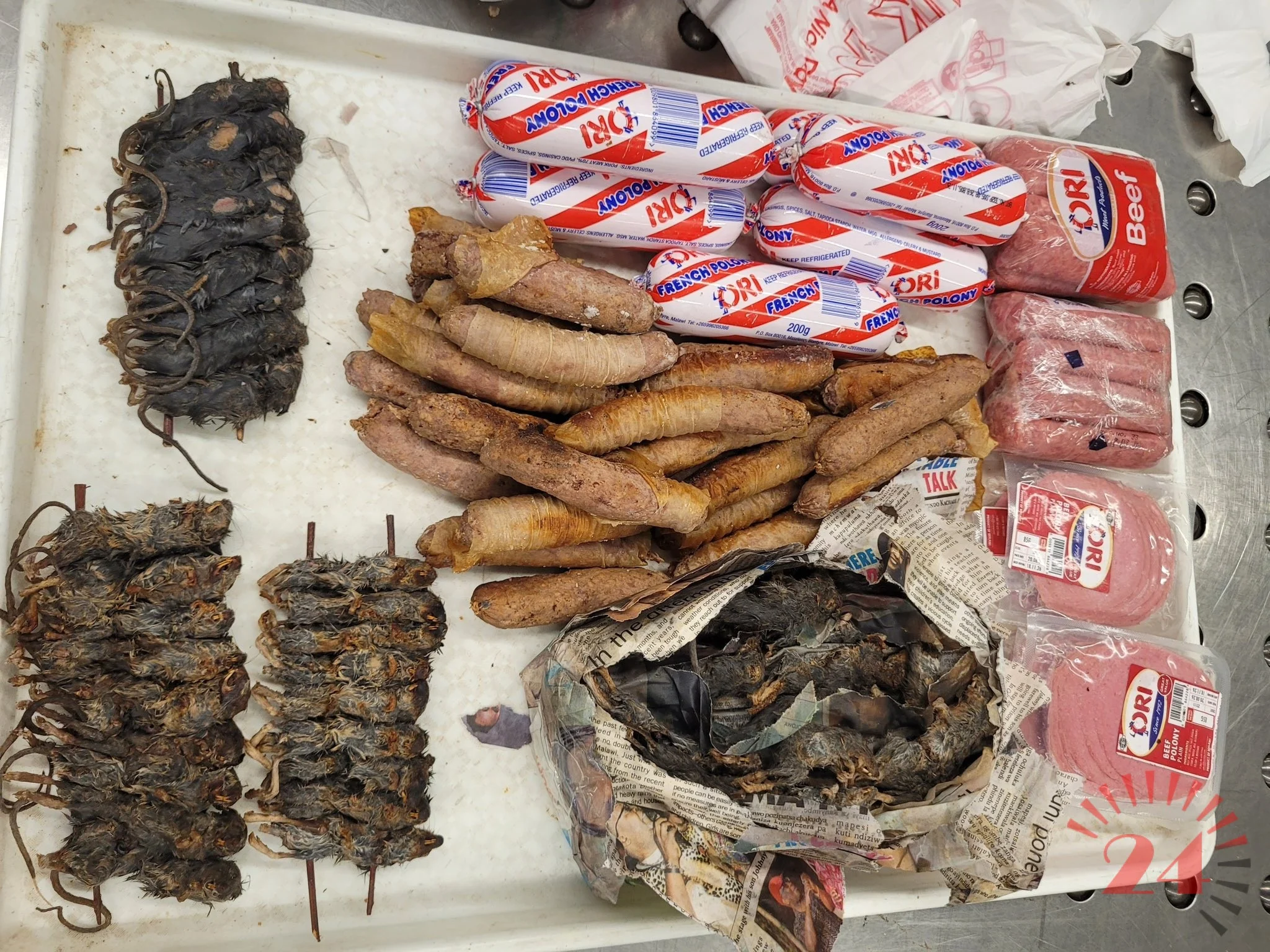
US Customs Malawian Mice O'Hare Seizure: Zoonotic Risk Cited
Summary
- A traveler arriving from Malawi had their luggage searched at Chicago’s O’Hare Airport.
- The bag contained over two pounds of dead African mice for human consumption and 22 pounds of beef.
- Agriculture K-9 Elvis detected the prohibited items, leading to a search by US Customs officers.
- Authorities seized the mice due to the risk of zoonotic disease, and the beef was also confiscated.
- The incident highlights strict US import regulations for food and animal products.
An Unusual Seizure at O'Hare
Lawyers counseling individuals or businesses engaged in international travel, especially from African nations, should emphasize the absolute necessity to declare all food and animal products and to understand the specific prohibitions before departure.
A recent incident at Chicago’s O’Hare International Airport has brought into sharp focus the stringent enforcement of U.S. import regulations concerning agricultural products. Authorities intercepted a traveler arriving from Malawi whose luggage contained a significant quantity of prohibited food items. The discovery was made following an alert from a specialized canine unit, specifically an agriculture K-9 named Elvis, whose keen sense of smell prompted a thorough inspection by U.S. Customs officers. This proactive detection highlights the sophisticated measures employed at major international gateways to safeguard national biosecurity.
The contents of the traveler's bag proved to be particularly unusual, including over two pounds of dead African mice, reportedly intended for human consumption. In addition to the rodent meat, the luggage also contained approximately 22 pounds (or 10 kilograms) of beef. Both items were subsequently confiscated by officials, underscoring the strict controls in place at points of entry like O'Hare to prevent the introduction of potentially harmful goods and to uphold "Chicago O'Hare food import laws."
Safeguarding Public Health and Agriculture
The primary justification for seizing the dead African mice centered on the significant potential for zoonotic disease transmission. Such regulations are crucial for protecting both public health and domestic animal populations from pathogens that could be carried by imported animal products. The U.S. maintains rigorous "Zoonotic disease import regulations" to mitigate these risks, which are a cornerstone of its comprehensive biosecurity strategy, aiming to prevent the spread of diseases from animals to humans or other animals within the country.
Beyond direct disease concerns from the mice, the seizure of the beef aligns with broader "USDA meat import restrictions" and "CBP prohibited food items" policies. These "Chicago O'Hare food import laws" are meticulously designed to prevent the entry of agricultural products that could introduce foreign pests, diseases, or otherwise threaten the nation's vital agricultural industry. International travelers are often unaware of the comprehensive nature of these prohibitions, which extend to various raw meats, certain processed animal products, fresh fruits, vegetables, and other biological materials, all subject to strict scrutiny upon arrival.
Implications for International Travel and Legal Counsel
This specific "US Customs Malawian mice O'Hare seizure" serves as a potent reminder for heightened "international traveler food seizure" awareness. Individuals planning to travel to the United States, particularly from regions with different agricultural practices or disease profiles, such as Malawi, must be thoroughly informed about what they can and cannot legally bring into the country. Ignorance of "Malawi food import US" restrictions or any other nation's specific import rules does not exempt travelers from potential penalties, the confiscation of prohibited items, or even more severe consequences depending on the nature and quantity of the undeclared goods.
For legal professionals, this incident underscores the critical importance of proactively advising clients on strict adherence to agricultural import regulations. Lawyers counseling individuals or businesses engaged in international travel, especially from African nations, should emphasize the absolute necessity to declare all food and animal products and to understand the specific prohibitions before departure. Similarly, compliance officers within organizations should regularly update and disseminate comprehensive travel advisories regarding food and animal product restrictions to mitigate risks for employees, ensuring they are fully aware of "CBP prohibited food items" and other relevant guidelines well in advance of their journeys.
Practical Implications
Lawyers advising clients on international travel, particularly from African nations to the US, should reinforce strict adherence to agricultural import regulations to avoid seizures of prohibited items and potential penalties. Compliance officers should update travel advisories regarding food and animal product restrictions to mitigate risks for employees.
Source
Source: Original reporting via Malawi24
How does this affect you?
Get an AI analysis of this article grounded in your jurisdictions, practice areas, and any policy documents you've uploaded to Wansom.
Finish Reading the Full Story and the Expert Analysis.
Wansom is AI and can make mistakes.