
UPSIFS Workshop 2026: AI Policing India Discussed for National Security
Summary
- The UPSIFS Workshop 2026 featured a panel discussion on the application of Artificial Intelligence in government functions.
- Experts examined how AI can strengthen law enforcement, improve cybersecurity preparedness, and support data-driven governance.
- The discussions highlighted AI's potential to enhance operational efficiency and modernize public services in India.
- Crucial considerations for AI deployment included the importance of human oversight, institutional readiness, and robust accountability.
- The workshop underscored the need for responsible and ethical integration of AI technologies across the public sector.
Key Discussions at UPSIFS Workshop 2026
The deliberations underscored that while Artificial Intelligence offers transformative potential for public services, its successful and ethical deployment hinges critically on robust human oversight, comprehensive institutional preparedness, and unwavering accountability mechanisms.
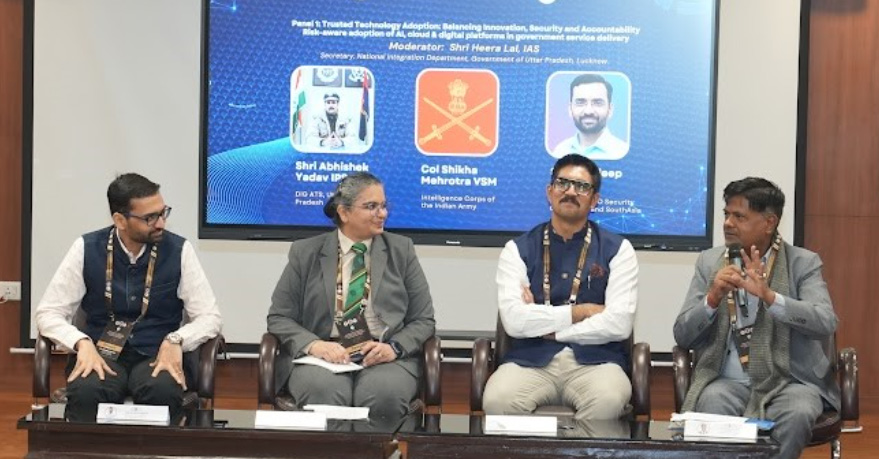
A recent panel discussion, held as part of the UPSIFS Workshop 2026, brought together experts to deliberate on the multifaceted role of Artificial Intelligence (AI) within the public sector. The central theme revolved around how AI could be leveraged to enhance critical governmental functions, specifically focusing on its application in law enforcement, cybersecurity, and data-driven governance. This particular session at the UPSIFS Workshop 2026 AI policing India context highlighted the strategic importance of emerging technologies for national security and public administration.
AI's Transformative Potential in Public Service
The experts at the UPSIFS Workshop 2026 emphasized that the integration of AI holds considerable promise for modernizing various aspects of government operations. In the realm of AI law enforcement India, the technology could provide advanced analytical tools for crime prediction, evidence analysis, and resource allocation, leading to more targeted and efficient policing efforts. For cyber preparedness government India, AI's capabilities in threat detection, anomaly identification, and automated response mechanisms were identified as crucial for safeguarding critical digital assets and infrastructure.
Furthermore, the panel explored how AI could revolutionize data-driven governance AI by enabling more sophisticated analysis of vast datasets, leading to better-informed policy decisions and more personalized public services. This shift towards intelligent, data-centric operations represents a significant opportunity for governmental bodies to improve their responsiveness and effectiveness in addressing complex societal challenges. The dialogue underscored a clear vision for a future where AI acts as a foundational pillar for enhanced public administration.
Ensuring Responsible AI Adoption
While acknowledging the immense potential of AI, the panel at the UPSIFS Workshop 2026 placed significant emphasis on the critical prerequisites for its responsible and effective deployment. A recurring theme was the indispensable need for robust human oversight in all AI-driven processes. This ensures that human judgment and ethical considerations remain paramount, preventing over-reliance on automated systems and mitigating potential biases.
Beyond human involvement, the discussions highlighted the importance of institutional readiness, which encompasses developing the necessary infrastructure, training personnel, and establishing clear operational protocols for AI integration. This focus on trusted technology adoption India is vital for building public confidence and ensuring that AI systems are implemented securely and transparently. Finally, the experts stressed the absolute necessity of accountability frameworks, ensuring that there are clear lines of responsibility for the outcomes of AI systems and mechanisms for redress in case of errors or misuse. These safeguards are considered fundamental to harnessing AI's benefits while mitigating its inherent risks.
Practical Implications
Lawyers and compliance officers should monitor policy developments stemming from discussions like the UPSIFS Workshop, particularly regarding the regulatory frameworks for AI in law enforcement and government, to advise clients on future compliance obligations related to data privacy, accountability, and human oversight in AI systems.
Source
Source: Original reporting via SCC Times
How does this affect you?
Get an AI analysis of this article grounded in your jurisdictions, practice areas, and any policy documents you've uploaded to Wansom.
Finish Reading the Full Story and the Expert Analysis.
Get the latest legal & regulatory intelligence in India
Wansom is AI and can make mistakes.