
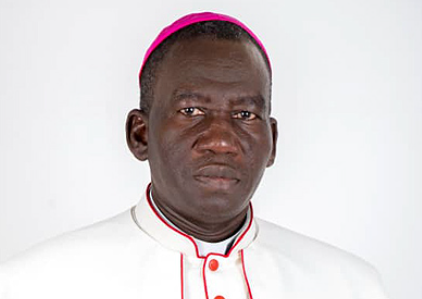
Upper Nile State: Bishop Nyodho Urges Stronger Anti-Drug Legislation
Summary
- Bishop Dr. Stephen Nyodho Ador of Malakal has urged the Upper Nile State government to enact stringent anti-drug legislation.
- The bishop expressed concern over rising drug use among youth, which he believes threatens the future of Upper Nile State and South Sudan.
- He called for stronger laws to criminalize drug trafficking and distribution, and for enhanced measures to prevent illicit drug importation.
- Renk County and northern Upper Nile State were identified as areas of particular concern due to their proximity to the Sudan border.
- Bishop Nyodho emphasized that combating drug abuse requires collective action from government, communities, religious leaders, and parents.
Call for Enhanced Drug Legislation in Upper Nile State
His call stems from profound concern over the escalating problem of drug use among the youth, a trend he believes poses a significant threat to the future stability and prosperity of both Upper Nile State and South Sudan as a whole.
Bishop Dr. Stephen Nyodho Ador, who leads the Catholic Diocese of Malakal, has issued a strong appeal to the government of Upper Nile State to implement robust anti-drug legislation. Speaking during a Holy Mass at Christ the King Parish in Malakal on Saturday, which commemorated the Feast of the Assumption of the Blessed Virgin Mary, Bishop Nyodho urged state authorities to criminalize drug trafficking more stringently and to bolster efforts to prevent the entry and spread of illicit substances within the region.
His call stems from profound concern over the escalating problem of drug use among the youth, a trend he believes poses a significant threat to the future stability and prosperity of both Upper Nile State and South Sudan as a whole. The bishop’s apprehension was intensified by personal observations made during pastoral visits across various parts of the state, where he encountered individuals actively engaged in drug trafficking activities. He emphasized that the issue is not confined to specific demographics, warning that drug-related offenses could infiltrate every household, including those of government officials.
Legislative Gap and Enforcement Demands
Bishop Nyodho's message was specifically directed at the state's legislative body, pressing for the enactment of laws that would impose severe penalties for drug-related crimes. This highlights a perceived legislative gap regarding Upper Nile State anti-drug legislation, suggesting current frameworks may be insufficient to address the growing challenge. He underscored the necessity for both the executive and legislative branches of the state government to collaborate closely on monitoring and securing the various routes through which illicit drugs are introduced into Upper Nile State.
Furthermore, the bishop advocated for stronger legal measures targeting not only those who traffic drugs but also individuals involved in their distribution. He stressed that drug abuse has a pervasive impact, affecting children, young people, and adults indiscriminately. This push for enhanced drug criminalization in Upper Nile State signals a potential shift towards more aggressive enforcement and judicial responses to drug offenses, aligning with broader concerns about South Sudan drug trafficking laws.
Geographic Vulnerabilities and Societal Responsibility
Identifying specific areas of concern, Bishop Nyodho pointed to the northern parts of Upper Nile State, particularly Renk County, as highly vulnerable. This susceptibility is attributed to their strategic proximity to the Sudan border, which facilitates the movement of both people and goods, inadvertently creating conduits for illicit drug entry. He urged authorities to dedicate particular attention to these border entry points and other potential routes that could be exploited for bringing harmful substances into the state, underscoring the need for robust Renk County drug enforcement.
Beyond governmental action, the bishop appealed to a broader spectrum of society, including communities, religious leaders, parents, and other citizens, to actively participate in the fight against drug abuse. He asserted that combating this dangerous affliction requires a collective, unified effort, emphasizing that the responsibility should not rest solely with the government. This reflects the Catholic Church's ongoing commitment to addressing issues affecting young people and communities, such as substance abuse, and its potential ramifications for social stability, educational attainment, and the future prospects of the younger generation.
Implications for Future Policy
The bishop's impassioned plea underscores a critical juncture for Upper Nile State, potentially paving the way for new, more stringent Upper Nile State illicit drug laws. His observations, particularly concerning the widespread impact of drug abuse and the involvement of individuals in trafficking, suggest a pressing need for legislative reform. The call for collaboration between governmental branches and broader societal engagement indicates a comprehensive approach may be necessary to tackle the issue effectively.
This advocacy for enhanced drug criminalization and enforcement measures could lead to the development of proposed South Sudan drug laws that are more punitive and preventative. The emphasis on securing border points and monitoring distribution networks highlights a strategic focus that could reshape law enforcement priorities in the region. The bishop's warning that drug crimes threaten every household, including those of ministers, serves as a stark reminder of the pervasive nature of the problem and the urgency for decisive legislative action.
Practical Implications
Lawyers should note the potential for new, more stringent anti-drug legislation in Upper Nile State, which could impact clients involved in trade, logistics, or those facing drug-related charges. This signals a legislative gap and a forthcoming focus on enhanced criminalization and enforcement measures that may require proactive compliance review.
Source
How does this affect you?
Get an AI analysis of this article grounded in your jurisdictions, practice areas, and any policy documents you've uploaded to Wansom.
Wansom is AI and can make mistakes.