
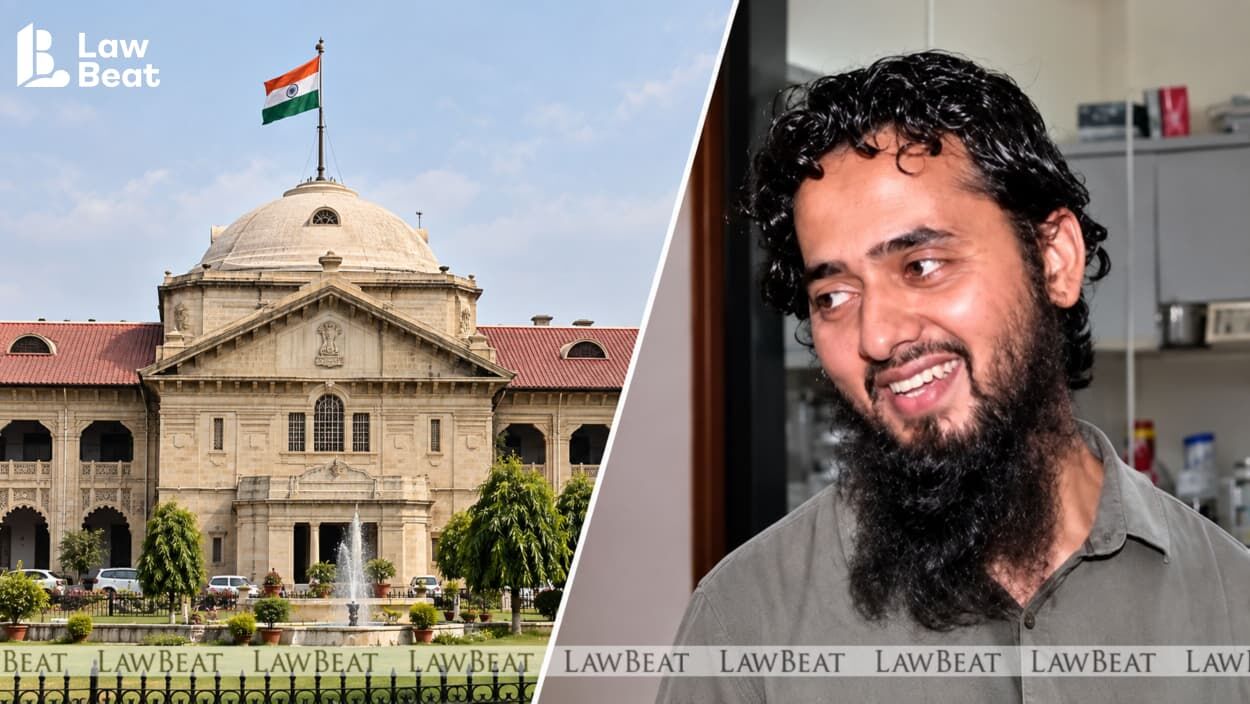
UP Police FIR: Ayush Malik Social Media Posts Draw Misrepresentation Charges
Summary
- UP Police in Shamli registered an FIR against five X accounts and one Facebook profile for circulating misleading information about an Allahabad High Court order.
- The FIR, filed under Section 353(2) of the Bharatiya Nyaya Sanhita, alleges the posts falsely claimed the High Court reprimanded Shamli Police in the Ayush Malik case.
- The High Court's September 16 order, in a habeas corpus petition, granted 31-year-old Ayush Malik freedom to reside and move as he wished, after he stated his conversion to Islam was voluntary.
- Shamli Police denied any reprimand from the High Court, clarifying that no counter-affidavit was required or filed by them.
- Authorities have warned of legal action against individuals who disseminate false or factually incorrect information regarding court proceedings.
FIR Filed Over Misleading Social Media Posts
Lawyers should advise clients on potential criminal liability under the Bharatiya Nyaya Sanhita for circulating misleading information about court decisions, even if not directly involved in the case.
Uttar Pradesh's Shamli Police have initiated a criminal investigation by registering an FIR against six individuals for allegedly disseminating inaccurate information regarding an Allahabad High Court proceeding. The police action targets five distinct X (formerly Twitter) accounts and one Facebook profile, accusing them of circulating content that falsely claimed the High Court had severely reprimanded the Shamli Police in connection with the Ayush Malik case. This move underscores the authorities' stance against what they deem as misrepresenting court proceedings on social media.
The formal complaint, or FIR, was lodged under Section 353(2) of the Bharatiya Nyaya Sanhita (BNS), a provision addressing offenses related to public servants. The police have explicitly denied any such reprimand from the High Court, asserting that the social media posts distorted the actual judicial order. The individuals identified in the FIR include Karishma Aziz, Nikhat Ali, The Muslim, Wasim Akram Tyagi, and Syed Kaif Hasan, associated with the X accounts, alongside Nadeem Saifi, who operates the Facebook profile. This development highlights the legal risks associated with public commentary and social media dissemination of information regarding ongoing court proceedings, particularly if it misrepresents judicial orders.
Shamli Police, through a statement shared on its official X account, clarified that the High Court had not requested any counter-affidavit or response from the police, nor had any such document been submitted by them. The police further warned that individuals found to be presenting the court's order "तथ्यों के विपरीत" (contrary to facts) or circulating misleading and false information would be identified, and appropriate legal action would be taken against them. This stern warning signals a proactive approach by law enforcement to combat the spread of judicial misinformation online.
Background to the Ayush Malik Case
The police's registration of the FIR follows a significant order issued by the Allahabad High Court on September 16, pertaining to a habeas corpus petition involving Ayush Malik, a 31-year-old Bachelor of Pharmacy graduate from Shamli. The origins of this complex case trace back to June 6, 2026, when Ayush's father, Devraj Singh Malik, filed an FIR at Kotwali Shamli. His complaint alleged that Chandni Qureshi, her father, and other family members had orchestrated his son's conversion to Islam, purportedly for reasons related to property.
Following this initial complaint, Chandni Qureshi and her father, Islam Qureshi, were arrested on June 7. They were subsequently granted bail by the District and Sessions Judge, Shamli at Kairana, on July 24. The narrative then shifted when Ayush's friend, Sultan Qari, approached the Allahabad High Court on September 9, filing a habeas corpus petition. This petition sought the court's intervention to ensure Ayush's production, the recording of his statement, and his release, enabling him to live independently. The High Court, recognizing the gravity of the allegations, directed that Ayush be presented before it on September 16.
High Court's Ruling and Police Clarification
In compliance with the High Court's directive, Ayush Malik and his father appeared before the court on September 16. During the proceedings, Ayush explicitly stated that his decision to embrace Islam was entirely voluntary and not influenced by any form of threat, coercion, undue influence, or inducement. The court, after hearing arguments from both sides, subsequently granted Ayush the freedom to choose his place of residence and movement, affirming his autonomy as an adult.
The High Court's September 16 order stemmed from the habeas corpus petition filed by Ayush's friend, Sultan. Justice Sandeep Jain had initially directed Ayush's production on September 9, following allegations in the petition that Ayush was being unlawfully confined by his father after his decision to convert to Islam and marry Chandni Qureshi. The court had noted that these allegations, particularly concerning his detention and the involvement of state authorities, were serious and warranted immediate consideration.
Shamli Police later issued a statement clarifying that "misleading news was being circulated on social media claiming that the Hon’ble Court had reprimanded the Shamli Police, which is misleading and factually incorrect." This statement directly addressed the false claims that led to the UP Police FIR regarding Ayush Malik's social media posts, emphasizing that the court had not required or received any counter-affidavit or reply from the police, contrary to the online narratives.
Legal Ramifications of Misinformation
The registration of an FIR under Section 353(2) of the Bharatiya Nyaya Sanhita (BNS) against individuals for misrepresenting court proceedings on social media carries significant legal weight. This section typically pertains to obstructing public servants from discharging their duty, suggesting that the police view the dissemination of false information about judicial orders as an interference with the administration of justice. Lawyers should advise clients on potential criminal liability under the Bharatiya Nyaya Sanhita for circulating misleading information about court decisions, even if not directly involved in the case.
The police's warning about taking legal action against those who circulate misleading or false information about court orders highlights a growing concern over the integrity of judicial reporting in the digital age. The Allahabad High Court Ayush Malik order, and the subsequent police response to its misrepresentation, serves as a stark reminder that social media users are not immune from legal consequences when their posts distort facts related to official proceedings. This case underscores the importance of accurate reporting and the potential for criminal charges when online content deviates significantly from judicial realities.
Practical Implications
This case highlights the legal risks associated with public commentary and social media dissemination of information regarding ongoing court proceedings, particularly if it misrepresents judicial orders. Lawyers should advise clients on potential criminal liability under the Bharatiya Nyaya Sanhita for circulating misleading information about court decisions, even if not directly involved in the case.
Source
How does this affect you?
Get an AI analysis of this article grounded in your jurisdictions, practice areas, and any policy documents you've uploaded to Wansom.
Finish Reading the Full Story and the Expert Analysis.
Get the latest legal & regulatory intelligence in India
Wansom is AI and can make mistakes.