
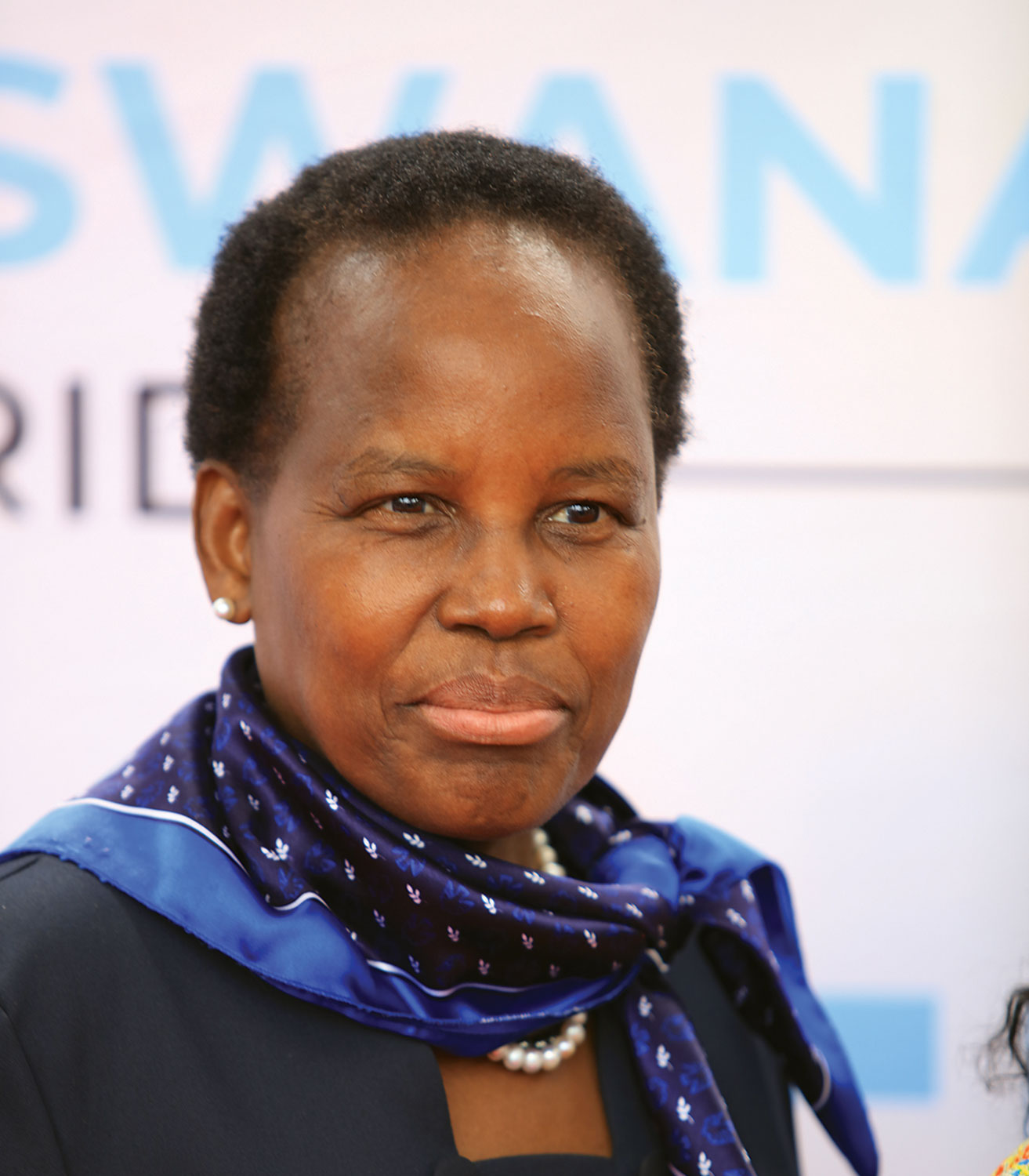
Unity Dow: Botswana Cattle Crisis an Existential Threat
Summary
- Botswana's cattle industry faces an "existential threat" due to multiple compounding factors.
- Government restrictions on live cattle exports are significantly disrupting the country's beef producers.
- The state-owned Botswana Meat Commission is experiencing severe financial problems, adding to industry woes.
- Outbreaks of foot-and-mouth disease further complicate trade and impact herd health.
- Botswana Congress Party Vice President Unity Dow reported these issues, citing complaints from farmers, agricultural stakeholders, and the public.
The Crisis Unfolds
Botswana's vital cattle industry is currently grappling with what has been described as an "existential threat," according to Unity Dow, the Vice President of the Botswana Congress Party.
Botswana's vital cattle industry is currently grappling with what has been described as an "existential threat," according to Unity Dow, the Vice President of the Botswana Congress Party. This severe assessment highlights a confluence of challenges that are profoundly disrupting the nation's beef producers and casting a shadow over the broader agricultural sector. The industry, a cornerstone of the country's economy and rural livelihoods, is facing unprecedented pressure from multiple fronts.
The primary drivers of this critical situation include stringent government restrictions on the export of live cattle, which have significantly curtailed market access for producers. Compounding these regulatory hurdles are the persistent financial difficulties plaguing the state-owned Botswana Meat Commission (BMC), an entity central to the country's livestock trade. Furthermore, outbreaks of foot-and-mouth disease continue to pose a serious biological threat, impacting herd health and further complicating trade dynamics.
Dow's stark pronouncements are not merely political rhetoric; they are rooted in direct feedback from those most affected by the crisis. She has publicly stated that her concerns stem from numerous complaints lodged by cattle farmers, various agricultural stakeholders, and concerned members of the public. This broad base of grievances underscores the widespread impact of the current Unity Dow Botswana cattle crisis across different segments of society, signaling a deep-seated distress within the industry.
Regulatory and Economic Pressures
A significant factor contributing to the current Botswana agricultural sector challenges is the government's stance on Botswana live cattle export ban or restrictions. These Botswana livestock trade regulations directly limit the ability of local producers to access international markets for live animals, thereby reducing potential revenue streams and creating an oversupply within the domestic market. Such restrictions can suppress prices and diminish the profitability of cattle farming, making it difficult for producers to sustain their operations and invest in herd improvement.
Adding to the sector's woes are the severe Botswana Meat Commission financial issues. As a state-owned enterprise, the BMC plays a crucial role in processing and marketing Botswana's beef, particularly for export. Its financial instability, however, creates uncertainty for farmers who rely on the commission for purchasing their livestock. This precarious financial state can lead to delayed payments or reduced buying capacity, directly impacting farmers' cash flow and overall economic viability. The commission's struggles reflect broader systemic issues within the beef value chain.
Alongside these economic and regulatory pressures, the recurring threat of foot-and-mouth disease represents a constant biological challenge. Outbreaks necessitate strict quarantine measures and can lead to further trade restrictions from importing countries, even for processed meat. This disease not only causes direct losses to farmers through animal illness and death but also imposes significant costs on the government for disease control and surveillance, further straining the resources available for agricultural development.
Widespread Impact and Policy Concerns
The cumulative effect of these challenges has led Unity Dow, in her capacity as Botswana Congress Party Vice President, to declare that the nation's cattle industry is "on its knees." This powerful imagery conveys the profound distress experienced by a sector that is not only an economic engine but also a cultural cornerstone for many Batswana. The crisis extends beyond mere financial hardship, threatening the very fabric of rural communities dependent on livestock farming.
The breadth of complaints received by Dow — from individual cattle farmers struggling to make ends meet, to broader agricultural stakeholders concerned about the industry's future, and even members of the general public — underscores the systemic nature of the problem. This widespread discontent suggests that the current Unity Dow Botswana agriculture policy discussions are critical, as the existing framework appears insufficient to address the multifaceted issues at hand. The ongoing Botswana cattle crisis demands urgent and comprehensive policy interventions to safeguard the livelihoods of thousands and ensure the long-term sustainability of the beef industry.
The "existential threat" articulated by Dow is a call to action, highlighting the urgent need for a re-evaluation of government policies concerning live exports, a strategic overhaul of the Botswana Meat Commission's operations, and robust measures for disease management. Without decisive action, the foundational elements of Botswana's beef production could face irreversible damage, with far-reaching consequences for the national economy and food security.
Practical Implications
Lawyers advising clients in Botswana's agricultural sector should monitor potential government policy changes regarding live cattle exports and the financial stability of the Botswana Meat Commission, as these factors indicate significant sector-wide distress that could lead to new regulations or contractual disputes.
Source
How does this affect you?
Get an AI analysis of this article grounded in your jurisdictions, practice areas, and any policy documents you've uploaded to Wansom.
Finish Reading the Full Story and the Expert Analysis.
Get the latest legal & regulatory intelligence in Botswana
Wansom is AI and can make mistakes.