
UNILAG VC Threatens ₦1 Billion Defamation Suit Over Alleged Irregular Payments
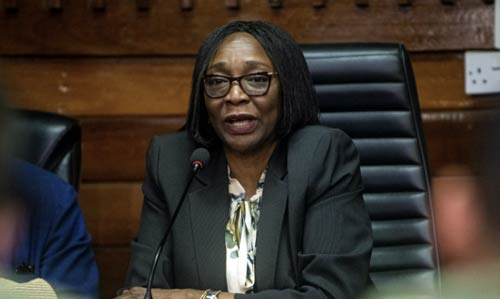
The Vice-Chancellor of the University of Lagos (UNILAG), Professor Folasade Ogunsola, has threatened to institute a ₦1 billion defamation lawsuit in Nigeria against the online media organisation NaijaOnPoint, following a publication that linked her administration to alleged financial irregularities at the university.
This development is legally significant as it highlights the increasing recourse by public figures in Nigeria to defamation actions to protect their reputation against alleged false and damaging publications, particularly from online news platforms. It underscores the delicate balance between the constitutionally guaranteed right to freedom of expression and the individual's right to reputation and dignity. The substantial sum of ₦1 billion sought in damages indicates the high stakes involved in such cases and the potential for significant financial liability for media organisations that fail to adequately verify their reports. The outcome of this specific matter is not yet reported.
The legal context for this threatened action is rooted in Nigeria's common law principles of defamation, which define libel as a published false statement that tends to lower a person in the estimation of right-thinking members of society. Relevant statutory provisions, such as Section 39 of the 1999 Constitution (as amended) which guarantees freedom of expression, and Section 34 which protects the dignity of persons, also play a crucial role. The Cybercrime Act 2015 may also be relevant, particularly concerning injurious falsehood or cyberstalking. Key parties involved are Professor Folasade Ogunsola, the University of Lagos (UNILAG), and the online media organisation NaijaOnPoint, along with their respective legal representatives.
Practitioners representing media organisations must meticulously verify facts, ensure journalistic due diligence, and be prepared to defend against defamation claims by invoking established defences such as justification (truth), fair comment, or qualified privilege. Conversely, attorneys advising public figures should counsel on the strategic use of defamation actions, emphasizing the need for clear evidence of false statements and actual damage to reputation, while also considering the public interest defence often raised by media. The case serves as a reminder of the critical importance of robust legal counsel for both plaintiffs and defendants in the evolving landscape of digital media and reputation management.
How does this affect you?
Get an AI analysis of this article grounded in your jurisdictions, practice areas, and any policy documents you've uploaded to Wansom.
Wansom is AI and can make mistakes.