
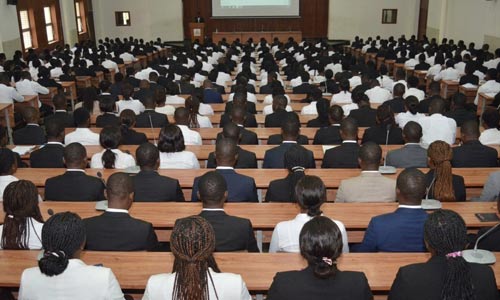
Federal High Court Abuja: UNICAL 214 Law Students Court Order Reinstates Access
Summary
- The Federal High Court in Abuja has ordered the University of Calabar to grant 214 law students full academic access.
- This interlocutory order mandates access to lectures, the student portal, and other academic facilities.
- The access is to be maintained pending the final determination of a suit filed by the students against UNICAL.
- Hon. Justice J. O. Abdulmalik issued the temporary injunction.
What Happened
This ruling establishes a precedent for judicial intervention to protect student access to academic facilities pending the resolution of disputes with educational institutions, which lawyers should note when advising students on their rights or institutions on their administrative processes.
The Federal High Court in Abuja has issued a significant interlocutory order compelling the University of Calabar (UNICAL) to reinstate full academic access for 214 of its law students. This directive mandates that the university immediately grant these students unrestricted entry to lectures, their dedicated student portal, and all other essential academic facilities. The court's decision ensures that the students can continue their studies without interruption while their primary legal challenge against the institution proceeds.
This crucial ruling was handed down by Hon. Justice J. O. Abdulmalik. The order specifically states that the access must be maintained "pending the determination of a suit the students have brought against the institution." This indicates that the court's current directive is a temporary measure, designed to protect the students' educational pursuits until a final judgment is rendered on the substantive issues of their case. The legal action was initiated by the students themselves, seeking redress from the university.
Legal Context
The issuance of an interlocutory order by the Federal High Court in Abuja represents a critical legal intervention in the ongoing dispute between the University of Calabar and its 214 law students. An interlocutory order is a temporary decree issued by a court during the pendency of litigation, designed to preserve the status quo, prevent irreparable harm, or ensure that the final judgment, if favorable, is not rendered nugatory. In this instance, Justice J. O. Abdulmalik's directive aims to safeguard the students' fundamental right to education by ensuring their continued access to academic resources while the substantive legal arguments are heard and decided.
Such orders are typically granted when the applicant demonstrates a strong prima facie case, that the balance of convenience favors granting the order, and that without it, they would suffer irreparable harm that cannot be adequately compensated by damages. For the 214 law students of UNICAL, the potential irreparable harm would be the loss of academic time, disruption to their studies, and potential delays in their graduation, all of which could have long-term implications for their careers. The Federal High Court, with its jurisdiction over matters involving fundamental rights and federal institutions, is the appropriate forum for such a dispute, underscoring the gravity with which the judiciary views the protection of student access to education.
This judicial intervention highlights the recourse available to students in Nigeria when faced with administrative actions by educational institutions that impede their academic progress. It underscores the principle that even institutions of higher learning are subject to judicial oversight, particularly when their actions potentially infringe upon the rights of their students. The court's decision to grant this injunction reflects a recognition of the immediate and tangible impact that denial of access to lectures, portals, and facilities can have on a student's academic life, making it a matter requiring urgent judicial attention.
Why It Matters
This interlocutory order from the Federal High Court in Abuja carries significant implications, not only for the 214 law students at the University of Calabar but also for the broader landscape of education law and student rights in Nigeria. By compelling UNICAL to restore full academic access, the court has affirmed the judiciary's willingness to intervene decisively to protect students' educational continuity, especially when their access is jeopardized during ongoing disputes with their institutions. This ruling establishes a precedent for judicial intervention to protect student access to academic facilities pending the resolution of disputes with educational institutions, which lawyers should note when advising students on their rights or institutions on their administrative processes.
The decision serves as a powerful reminder to universities across Nigeria regarding their obligations to students, even when administrative or disciplinary issues are being addressed. It suggests that institutions cannot unilaterally withdraw essential academic privileges without facing immediate legal challenge and potential court-mandated restoration of services. For students, this ruling reinforces the understanding that they possess legal avenues to challenge institutional decisions that directly impact their right to learn, providing a crucial safeguard against arbitrary administrative actions.
Furthermore, the order contributes to the evolving jurisprudence surrounding student litigation against Nigerian universities. It underscores the importance of due process and the protection of academic pathways, even as institutions navigate internal challenges. The temporary nature of the order means the substantive case will still proceed, but the immediate effect is to ensure that the students' academic careers are not unduly prejudiced in the interim, thereby upholding the principle that education should not be held hostage to protracted legal battles.
Practical Implications
This interlocutory order establishes a precedent for judicial intervention to protect student access to academic facilities pending the resolution of disputes with educational institutions, which lawyers should note when advising students on their rights or institutions on their administrative processes.
Source
How does this affect you?
Get an AI analysis of this article grounded in your jurisdictions, practice areas, and any policy documents you've uploaded to Wansom.
Finish Reading the Full Story and the Expert Analysis.
Get the latest legal & regulatory intelligence in Nigeria
Wansom is AI and can make mistakes.