
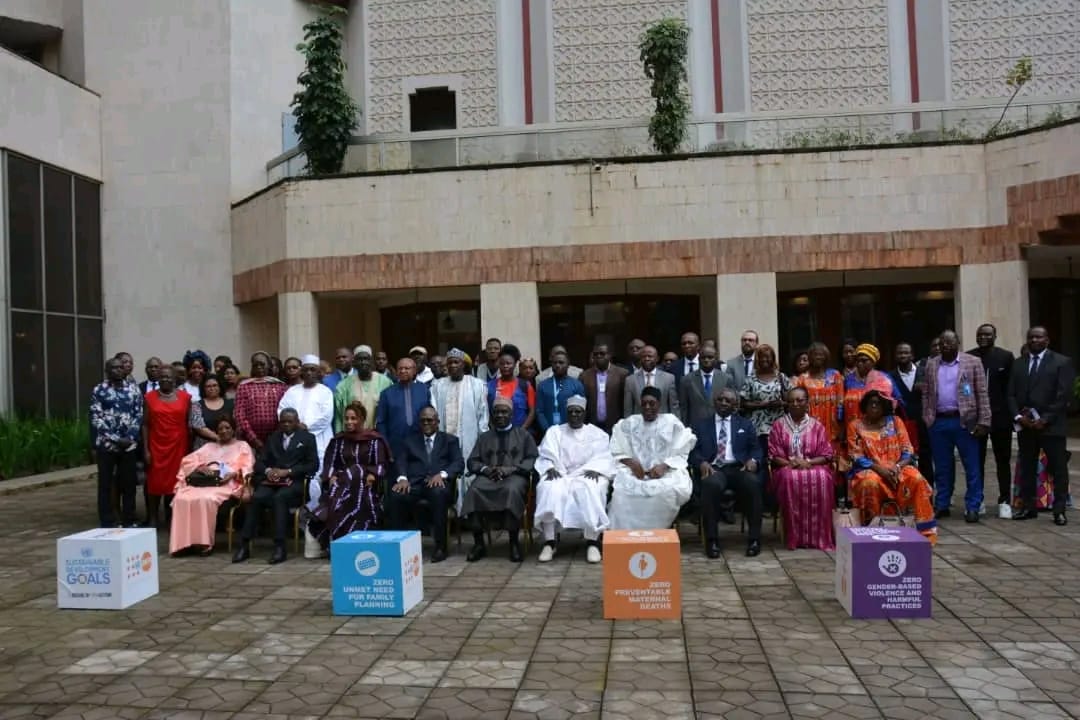
UNFPA Executive Board: Cameroun 9e Programme Pays Validation Approved
Summary
- The UNFPA Executive Board validated Cameroon's 9th Country Programme on August 27, 2026, in New York.
- This five-year program, spanning 2027-2031, carries an indicative budget of $50 million USD.
- Its strategic objectives include enhancing reproductive health, promoting gender equality, and improving demographic data for policy.
- The program aligns with Cameroon's SND30 and the UN Sustainable Development Cooperation Framework.
- Cameroon has demonstrated strong commitment, including providing a new headquarters for UNFPA in Yaoundé.
Major Development Program Approved for Cameroon
This substantial financial commitment underscores a renewed focus on critical development areas, including reproductive health, gender equality, and robust demographic data collection.
The United Nations Population Fund (UNFPA) Executive Board officially validated the UNFPA Cameroun 9e Programme Pays, a significant five-year cooperation initiative, during its session in New York on August 27, 2026. This crucial approval greenlights the program, which is slated to run from 2027 through 2031, marking a new phase in the long-standing partnership between UNFPA and Cameroon that commenced in 1969.
This newly approved Programme de Coopération Cameroun UNFPA carries an indicative budget of $50 million USD. The funding is earmarked to support strategic interventions aimed at enhancing the well-being of the Cameroonian population and leveraging the country's demographic dividend. The validation follows a strong endorsement from the Cameroonian government, whose Permanent Mission to the UN presented its approval in New York, expressing satisfaction with the program's alignment with national priorities.
Core Objectives and Strategic Focus
The UNFPA Cameroon 9th Country Programme is structured around three pivotal strategic pillars designed to address key developmental challenges and opportunities within the nation. The first pillar focuses on improving the quality of care and expanding access to reproductive health services, with a specific emphasis on achieving universal access to family planning and significantly reducing maternal deaths across the country.
The second strategic area is dedicated to advancing gender equality and empowering women, alongside concerted efforts to eradicate all forms of gender-based violence. The third pillar underscores the importance of robust demographic data collection and analysis, aiming to provide comprehensive information that will inform the development of evidence-based public policies. These objectives are meticulously aligned with Cameroon's National Development Strategy (SND30) and the broader UN Sustainable Development Cooperation Framework (UNSDCF), ensuring the program contributes directly to national development goals.
Cameroon's Active Role and Enduring Partnership
Cameroon has demonstrated a profound commitment to the UNFPA Cameroun 9e Programme Pays validation, asserting itself as a key partner in this collaborative effort. Beyond expressing strong governmental support for the program's objectives, the nation is further solidifying its partnership by providing a new, modern headquarters for UNFPA in its capital, Yaoundé. This tangible contribution underscores the depth of the country's dedication to the program's success and the ongoing relationship with UNFPA.
The implementation of this ambitious program will involve joint mobilization from several key Cameroonian ministries, including MINEPAT, MINREX, MINSANTE, MINPROFF, MINJEC, and MINFI. This multi-sectoral engagement highlights a comprehensive national approach to achieving the program's goals related to santé reproductive Cameroun UNFPA, égalité genre Cameroun UNFPA 50M USD, and data-driven policy-making, reinforcing the collaborative spirit underpinning the Cameroun SND30 UNSDCF UNFPA framework.
Practical Implications
This validated 50 million USD program signals key development priorities for Cameroon until 2031, potentially influencing regulatory frameworks, funding opportunities, and compliance requirements for NGOs and businesses operating in public health, gender equality, and data management sectors. Lawyers should advise clients on aligning their strategies with these national and international development goals to identify new project opportunities or navigate evolving legal landscapes.
Source
How does this affect you?
Get an AI analysis of this article grounded in your jurisdictions, practice areas, and any policy documents you've uploaded to Wansom.
Finish Reading the Full Expert Analysis.
Wansom is AI and can make mistakes.