
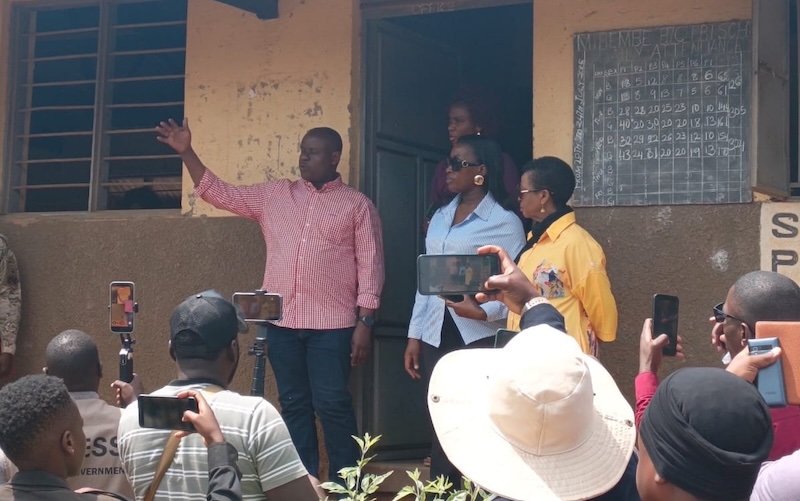
UNATU: Balaam School Inspections Uganda Draw Fire For Irregular Arrests, Humiliation
Summary
- The Uganda National Teachers’ Union (UNATU) has criticized Minister of Local Government Balaam Barugahara.
- The criticism stems from alleged irregular arrests and public humiliation of headteachers and education officials during his school inspections.
- UNATU General Secretary Filbert Baguma affirmed the union's support for anti-corruption efforts but raised concerns about the methods used.
- The incidents occurred during inspections of government schools in Uganda.
- UNATU's concerns highlight issues of due process and professional conduct during ministerial oversight.
Ministerial Conduct Under Scrutiny
The reported actions, specifically the detention and public shaming of school leaders, occurred within the context of the Minister's oversight activities.
The Uganda National Teachers’ Union (UNATU) has voiced significant concerns regarding the conduct of Balaam Barugahara, the Minister of Local Government, during his inspections of government schools across Uganda. The union's criticism centers on what it describes as irregular arrests and the public humiliation of headteachers and other education officials. These incidents have prompted a strong reaction from the professional body representing teachers in the country.
UNATU's stance highlights a perceived deviation from established protocols during these ministerial visits. The reported actions, specifically the detention and public shaming of school leaders, occurred within the context of the Minister's oversight activities. Such methods employed during UNATU Balaam school inspections Uganda have raised questions about due process and the appropriate exercise of authority by public officials.
The union's leadership has made it clear that while they support governmental initiatives aimed at combating corruption, the means by which these objectives are pursued must adhere to principles of fairness and respect for individuals. The Minister Balaam Barugahara school arrests and instances of headteacher public humiliation Uganda have become a focal point of the Uganda National Teachers’ Union concerns, signaling a potential conflict between accountability efforts and the rights of educators.
Legal and Professional Implications
The allegations of irregular arrest and public humiliation during Uganda irregular school inspections carry substantial legal and professional implications. Irregular arrests suggest a potential disregard for established legal procedures governing detention, which typically require specific grounds and adherence to due process. For headteachers and education officials, such actions can not only damage their professional reputation but also create an environment of fear and uncertainty within the educational system.
Public humiliation, irrespective of the alleged infractions, can undermine the authority and dignity of school leaders, impacting their ability to effectively manage their institutions. This approach, as criticized by UNATU, could have a chilling effect on the morale of educators and their willingness to take on leadership roles, potentially hindering educational progress in government schools. The UNATU criticism Balaam Barugahara underscores the importance of maintaining professional standards and respecting the rights of individuals even in the pursuit of accountability.
Why This Matters for Governance
The concerns raised by UNATU, articulated by its general secretary Filbert Baguma, extend beyond individual incidents to touch upon broader principles of governance and public administration. While Baguma affirmed UNATU's support for the government's anti-corruption efforts, the union's insistence on proper conduct during inspections points to a fundamental expectation that even legitimate objectives must be achieved through legitimate and lawful means. The manner in which ministerial oversight is exercised directly reflects on the government's commitment to rule of law and respect for its civil servants.
Such high-profile incidents involving Minister Balaam Barugahara school arrests and public humiliation can erode trust between government officials and the public sector workforce. For the educational system, a climate where leaders fear arbitrary detention or public shaming during inspections can detract from focusing on core educational mandates. This situation highlights the critical need for clear guidelines and training for all government officials involved in oversight roles, ensuring that their actions are both effective in achieving policy goals and compliant with legal and ethical standards.
Practical Implications
Lawyers advising educational institutions or public servants in Uganda should note the potential for legal challenges arising from irregular ministerial inspections, particularly concerning due process during arrests and protection against public humiliation. This development signals a need to review protocols for handling government inspections and to advise clients on their rights.
Source
How does this affect you?
Get an AI analysis of this article grounded in your jurisdictions, practice areas, and any policy documents you've uploaded to Wansom.
Finish Reading the Full Story and the Expert Analysis.
Get the latest legal & regulatory intelligence in Uganda
Wansom is AI and can make mistakes.