
UN IOM: Sudan Aid Pipeline Collapse Looms Amid Funding Crisis
Summary
- The UN's International Organization for Migration (IOM) warns that a key aid system in Sudan could collapse within weeks due to a severe funding crisis.
- The IOM's Common Humanitarian Pipeline, which has reached 2.84 million people since April 2023, is experiencing shrinking capacity despite record-high needs.
- Current shelter and emergency relief supplies are expected to run out by September 2026, with operational capacity ending by December 2026.
- The IOM requires $15 million to maintain minimum operations for 12 months and $42 million to restore 2024 service levels.
- A breakdown in aid delivery risks increased gender-based violence, family separation, and eviction for vulnerable populations in Sudan.
The Imminent Crisis
If the pipeline ceases operations, it is not merely warehouses that will stand empty; rather, the entire humanitarian response in Sudan will become substantially more challenging to deliver.
The United Nations has issued a stark warning regarding the potential collapse of a critical aid delivery system in Sudan, signaling a deepening humanitarian catastrophe. The International Organization for Migration (IOM), the UN migration agency, cautioned on Monday that the entire humanitarian framework in the conflict-ridden nation could cease to function within weeks unless an immediate influx of funding is secured. Amy Pope, who leads the IOM, underscored the urgency, stating that without new financial support, aid would not reach those most in need.
This dire prediction comes amidst a devastating conflict between Sudan's regular army and the paramilitary Rapid Support Forces (RSF), which erupted in April 2023. This ongoing war has tragically claimed an estimated 200,000 lives, according to aid workers, and has plunged Sudan into the world's most severe hunger and displacement crisis. The IOM's Common Humanitarian Pipeline, a vital logistics network, is instrumental in enabling over 100 national and international non-governmental organizations to provide essential shelter and other non-food assistance across the African country.
Deteriorating Capacity and Funding Shortfalls
Despite its crucial role, the IOM Common Humanitarian Pipeline is facing an acute Sudan humanitarian funding crisis, leading to a significant reduction in its operational reach. Since the conflict began, the system has managed to deliver aid to approximately 2.84 million individuals. However, this reach has been steadily diminishing as funding dwindles, even as humanitarian needs remain at unprecedented levels. While the pipeline successfully assisted over one million people throughout 2024, only 330,000 individuals have received critical support, such as shelter and emergency kits, through the system so far in 2026.
The UN migration agency further detailed that current stocks of shelter, sanitation, and emergency household relief items are projected to be entirely depleted by the end of September 2026. Moreover, the essential warehousing and operational infrastructure that sustains the pipeline's functionality can only be maintained until December 2026. To merely sustain the pipeline at its minimum 2026 capacity for the next twelve months, the IOM requires $15 million. A more substantial sum of $42 million would be necessary to restore the system to its operational level seen in 2024.
Far-Reaching Consequences
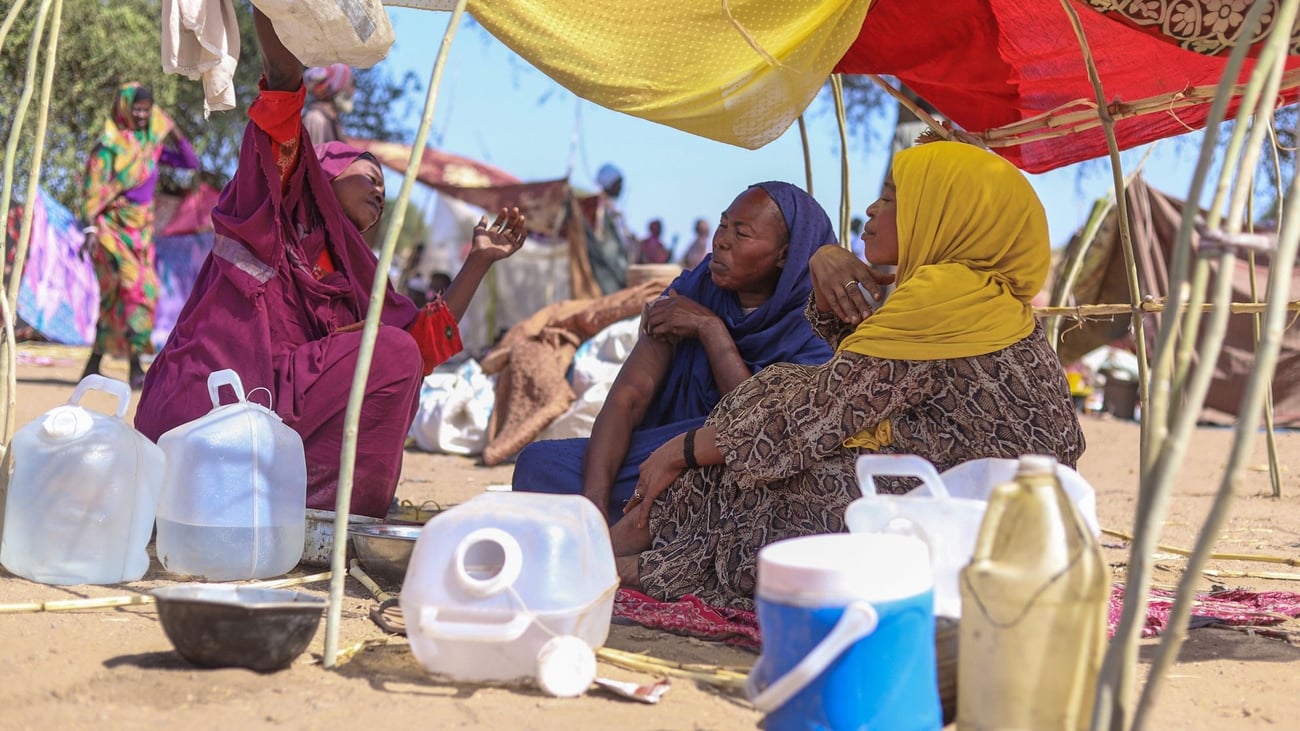
The potential cessation of shelter assistance through the UN IOM Sudan aid pipeline collapse carries profound and widespread risks beyond the immediate lack of housing. The IOM highlighted that prolonged exposure to harsh weather conditions, disease, and pervasive insecurity significantly elevates the dangers of gender-based violence, family separation, and eviction for vulnerable populations residing in overcrowded sites. The absence of adequate shelter undermines fundamental human protection.
Amy Pope emphasized that shelter serves as the foundational element from which broader protection, health initiatives, and recovery efforts can commence. She warned that if the pipeline ceases operations, it is not merely warehouses that will stand empty; rather, the entire humanitarian response in Sudan will become substantially more challenging to deliver. This situation underscores the severe Rapid Support Forces humanitarian impact and the urgent need for international intervention to prevent a complete breakdown of aid delivery amidst the Sudan conflict aid delivery challenges.
Practical Implications
This development signals heightened operational and reputational risks for any organization with existing or prospective ties to Sudan, requiring enhanced due diligence and risk assessment regarding supply chains, local partnerships, and compliance with international humanitarian principles amidst a deteriorating crisis.
Source
How does this affect you?
Get an AI analysis of this article grounded in your jurisdictions, practice areas, and any policy documents you've uploaded to Wansom.
Finish Reading the Full Story and the Expert Analysis.
Get the latest legal & regulatory intelligence in United States
Wansom is AI and can make mistakes.