
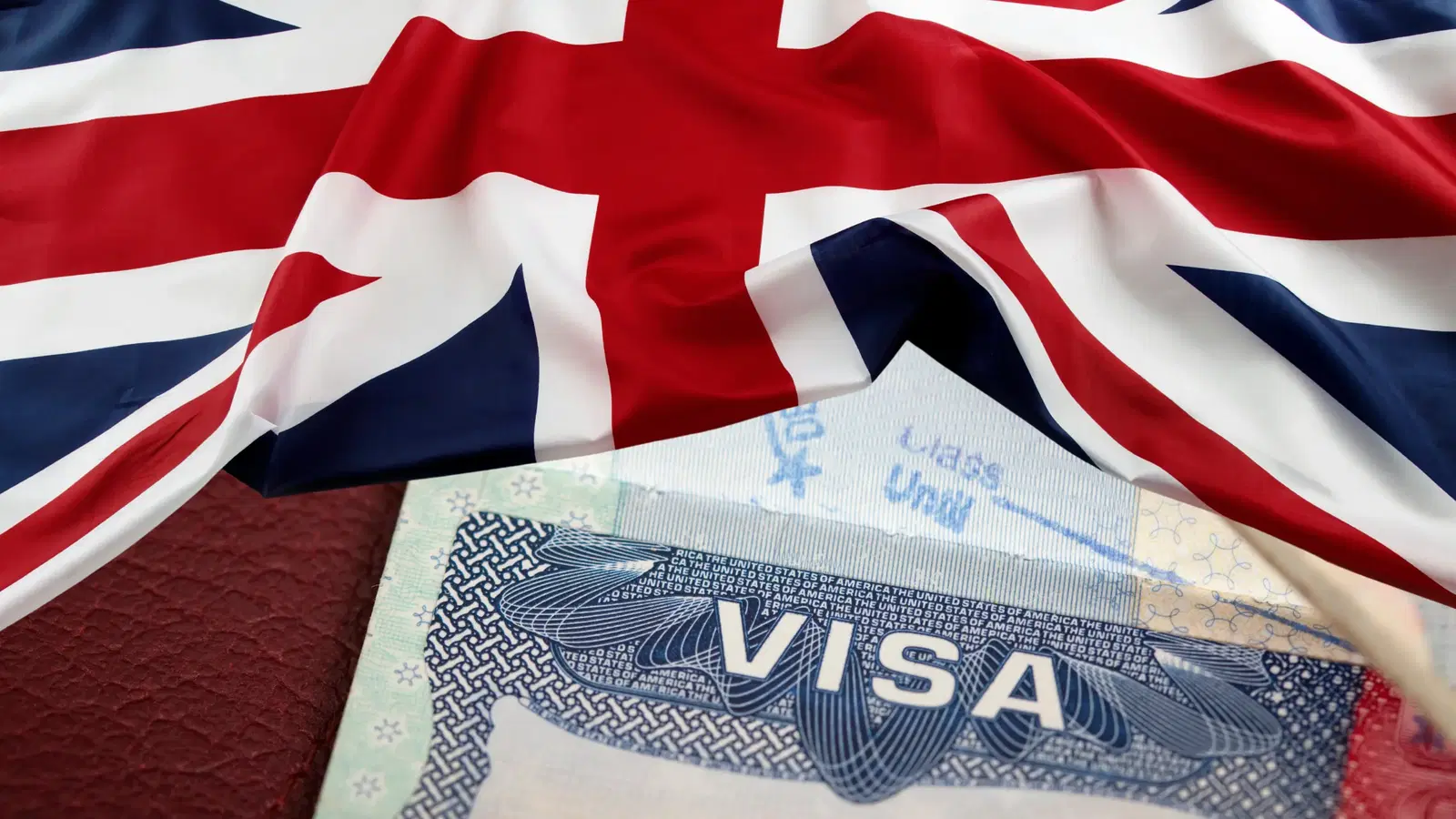
UK Universities: Withdraw Nigerian Student Offers Amid Visa Fears
Summary
- UK universities are withdrawing admission offers from international students.
- This action primarily affects applicants from Nigeria and Pakistan.
- The withdrawals are driven by fears of rising student visa refusals.
- Universities are concerned that increased visa rejections could lead to a ban on recruiting overseas students.
Shifting Landscape for International Admissions
The primary impetus behind these widespread offer withdrawals is a mounting anxiety within the UK university sector concerning an observable uptick in student visa refusals.
UK higher education institutions are currently in the process of revoking admission offers previously extended to a significant cohort of international applicants. This critical development directly impacts prospective students from various nations, with a notable focus on individuals from Nigeria and Pakistan. The decision by numerous UK universities to withdraw Nigerian student offers, alongside those made to other nationalities, marks a pivotal moment for global academic mobility and the operational strategies of the institutions themselves, signaling a reactive stance to evolving external pressures.
This trend signifies a notable departure from previous, more expansive international recruitment strategies, creating immediate and substantial challenges for thousands of students who had meticulously planned their academic futures in Britain. The rescinded offers mean that many individuals who had successfully navigated the competitive application process, often involving considerable time and financial outlay, now find their educational pathways unexpectedly disrupted. This situation highlights a proactive move by universities to mitigate perceived risks, rather than a reflection of the applicants' academic merit or suitability for their chosen programs.
The Catalyst: Visa Refusal Concerns
The primary impetus behind these widespread offer withdrawals is a mounting anxiety within the UK university sector concerning an observable uptick in student visa refusals. Institutions are increasingly apprehensive that a sustained rise in the rate of visa rejections for international candidates could precipitate severe governmental repercussions, potentially impacting their ability to operate effectively. Specifically, there is a profound fear among university administrators that such negative trends might lead to an outright prohibition on their capacity to recruit students from overseas, a measure that would have devastating financial and academic consequences.
This apprehension is particularly acute given the broader context of what some observers describe as a UK student visa crackdown, which appears to be disproportionately affecting applicants from certain regions, including Nigeria. The prospect of a recruitment ban represents a significant existential threat to the operational models of many universities, which have become increasingly reliant on international student fees to subsidize research and maintain infrastructure. Consequently, the rising UK visa refusal rates are not merely an administrative hurdle but a strategic concern driving these difficult and impactful decisions regarding admissions.
Implications for Aspiring Scholars
For Nigerian international students UK, the implications of these policy shifts and institutional responses are profound, immediate, and often deeply personal. Many Nigerian applicants UK universities had already committed to their study plans, often involving substantial financial investment in tuition deposits, accommodation, and travel arrangements, only to now face the unexpected and disheartening revocation of their admission. This situation leaves aspiring scholars in a precarious position, needing to rapidly re-evaluate their educational options and future trajectories under immense pressure and with limited time.
The current environment underscores a challenging period for individuals from Nigeria and Pakistan seeking to pursue higher education in the United Kingdom, casting a shadow of uncertainty over their academic aspirations. The unpredictability surrounding visa approvals, coupled with universities' pre-emptive actions, creates a significant deterrent effect for future international applications from these regions. This dynamic not only affects the immediate cohort of students but also has the potential to impact the UK's long-term reputation as a welcoming and reliable destination for global talent, potentially diminishing future international student engagement and diversity within its academic institutions.
Practical Implications
Lawyers advising Nigerian students or educational agencies should be aware of the increased risk of UK student visa refusals and offer guidance on alternative study destinations or more robust application strategies, given the tightening immigration policies.
Source
How does this affect you?
Get an AI analysis of this article grounded in your jurisdictions, practice areas, and any policy documents you've uploaded to Wansom.
Finish Reading the Full Story and the Expert Analysis.
Get the latest legal & regulatory intelligence in Nigeria
Wansom is AI and can make mistakes.