
UK Law Firm Partner Pet Peeves: Junior Lawyers Face Email Etiquette
Summary
- Law firm partners exhibit highly specific pet peeves, ranging from email phrases to office conduct.
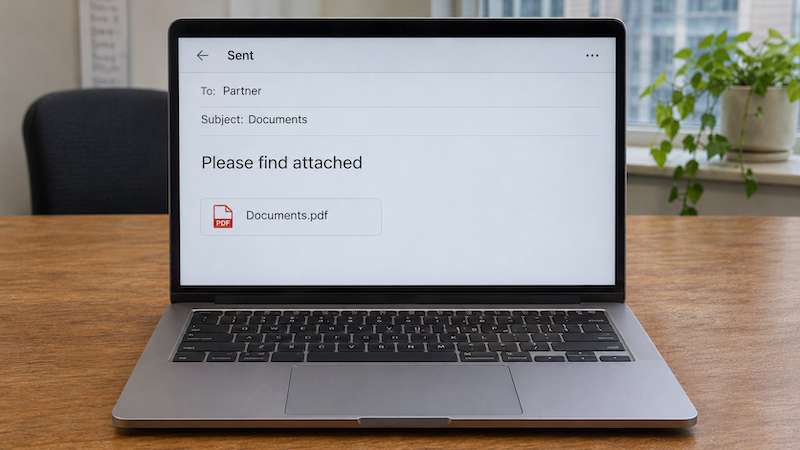
- Common email openers like "please find attached" and even thank-you notes can trigger partner disapproval.
- Physical office environment details, such as document stapling methods and the sound of flip-flops, are also sources of partner complaints.
- Precise language use, including referring to "this court" versus "the court," and claiming "my team," are subject to strict partner interpretation.
- Understanding these unwritten rules is crucial for junior lawyers to navigate firm dynamics and foster career progression.
The Unspoken Rules of Law Firm Communication
Understanding and adhering to these nuanced expectations are critical for navigating internal firm dynamics effectively.
Within the demanding environment of BigLaw, communication norms extend far beyond standard professional courtesy, often encompassing highly specific and sometimes idiosyncratic preferences of senior partners. A recent online discussion among legal professionals highlighted numerous instances where seemingly innocuous phrases or formatting choices sparked significant disapproval from partners. For example, the common email opener "please find attached" was once met with a partner's sharp retort, indicating a preference for directness over what was perceived as a "scavenger hunt" for information. This illustrates a deeper expectation for clarity and efficiency in all written correspondence.
Email etiquette, in particular, emerged as a frequent source of contention. One lawyer recounted a partner's strong objection to a friendly greeting directed at opposing counsel, emphasizing that professional interactions should remain strictly formal, devoid of any perceived camaraderie. Conversely, another anecdote revealed a partner's disdain for excessive politeness, enforcing a strict policy against "thank you," "ok," or "received" emails, suggesting an expectation that acknowledgments are implicit or unnecessary. The meticulous nature of these preferences even extended to the duration of phone calls, with one junior lawyer enduring a 20-minute discussion solely on why the phrase "Please note…" was deemed "redundant garbage" that should be omitted from emails. These examples underscore the intricate and often unwritten rules governing law firm email etiquette, which junior lawyers must quickly discern to avoid partner complaints.
Beyond content, the very mechanics of written communication are subject to partner scrutiny. Some partners maintain firm stances on punctuation, with demands ranging from the consistent use of two spaces after full stops to strong opinions regarding the Oxford comma. One particularly detailed instruction involved a partner requiring precisely three spaces between "kind regards" and their name in an email signature, specifically to accommodate a potential handwritten signature. Such precise demands highlight the granular level at which senior lawyers evaluate all forms of professional output, contributing to the unique law firm workplace culture.
Beyond the Inbox: Office Conduct and Document Presentation
The specific expectations of law firm partners are not confined to digital communications; they permeate the physical office environment and the presentation of documents. The seemingly mundane act of stapling, for instance, was revealed to be a surprisingly serious matter for some partners, with precise methods and standards expected for document assembly. Similarly, one lawyer recalled receiving an emphatic, all-caps directive: "NO RINGED BINDER VERY IMPORTANT," indicating a strong preference for specific binding methods that might otherwise appear trivial to an outsider.
Even personal attire and its associated sounds can become a point of contention within the professional setting. One partner reportedly harbored an intense aversion to the sound of flip-flops, with a colleague observing the partner's visible irritation as another partner walked by in such footwear. The partner's memorable comment, "I didn't realize we worked in a beach town," encapsulated the sentiment that the office environment demanded a certain level of decorum and quiet, extending even to footwear choices. These instances underscore the pervasive nature of BigLaw unwritten rules, where every detail, no matter how small, can influence a partner's perception and lead to junior lawyer partner complaints.
Navigating Professional Identity and Language Nuances
The insights from the Reddit discussion also shed light on how partners perceive professional identity and the precise use of language, particularly in legal contexts. One former judge, now a partner, was known to react strongly if anyone used the phrase "this court" instead of "the court." Her rationale was that "this court" implied the writer was a member of the court, a distinction she found inappropriate for non-judicial personnel. This highlights the critical importance of understanding hierarchical and positional nuances embedded in legal terminology.
Another example involved a partner admonishing a lawyer for referring to a project as "my team's work." The partner promptly corrected the lawyer, explaining that it was not "their team" unless they were the designated manager. This incident reveals a strict interpretation of ownership and responsibility within the firm's structure, emphasizing that professional identity and contributions are often viewed through the lens of formal roles and authority. Such interactions provide crucial insights into the subtle yet significant expectations that shape professional conduct and career progression within law firms, particularly in the UK context, as highlighted by Legal Cheek partner pet peeves discussions.
Why These Nuances Matter for Legal Professionals
The collective revelations from legal professionals across various firms, initially brought to light through a Reddit discussion, offer a unique window into the often-unspoken professional conduct and communication norms prevalent in BigLaw. These surprisingly specific pet peeves, ranging from punctuation to footwear, underscore that success in a law firm environment, especially for junior lawyers, often hinges on an acute awareness of these unwritten rules. While not directly legal or compliance issues, understanding and adhering to these nuanced expectations are critical for navigating internal firm dynamics effectively.
For junior lawyers, mastering these subtle codes of conduct is essential for maintaining strong professional relationships, avoiding unnecessary friction, and supporting career progression. Compliance officers, too, can benefit from these insights, as they illuminate the underlying cultural expectations that influence operational workflow and professional interactions. The discussion, which one user aptly summarized as a reminder that "partners are fucking insane lol," ultimately serves as a valuable, albeit informal, guide to the intricate landscape of law firm partner pet peeves in the UK, emphasizing that every detail can contribute to a partner's perception of a junior lawyer's professionalism and attention to detail.
Practical Implications
This article offers insights into the unspoken professional conduct and communication norms within law firms, particularly from the perspective of senior partners. While not a direct legal or compliance issue, understanding these 'unwritten rules' is critical for junior lawyers and compliance officers to navigate internal firm dynamics effectively, maintain strong professional relationships, and ensure smooth operational workflow, thereby avoiding unnecessary friction and supporting career progression.
Source
How does this affect you?
Get an AI analysis of this article grounded in your jurisdictions, practice areas, and any policy documents you've uploaded to Wansom.
Finish Reading the Full Story and the Expert Analysis.
Get the latest legal & regulatory intelligence in United Kingdom
Wansom is AI and can make mistakes.