
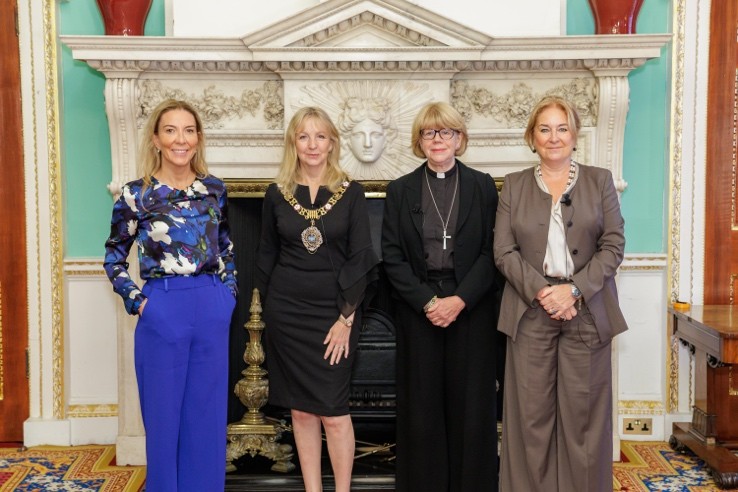
Lady Chief Justice Baroness Carr: Women In Leadership Panel Discusses UK Progress
Summary
- A 'Women in Leadership' panel took place at Mansion House on Friday, September 11, chaired by Lady Mayor Dame Susan Langley DBE.
- The panel featured Lady Chief Justice Baroness Carr, Cabinet Secretary Dame Antonia Romeo, and Archbishop of Canterbury Dame Sarah Mullally.
- These three panelists are the first women to hold their respective senior offices in British public life.
- The discussion focused on leadership, representation, and institutional change, against a backdrop of continuing underrepresentation of women in senior roles.
- Panelists reflected on the opportunities and challenges of being pioneers and their responsibility to create pathways for future generations.
Pioneering Leaders Convene at Mansion House
This assembly was particularly notable as these three women are the first to occupy their respective, highly senior offices within British public life, marking a historic moment for representation.
A significant 'Women in Leadership' panel convened at Mansion House on Friday, September 11, bringing together an extraordinary group of trailblazers from the faith, public, and judicial sectors. The event was expertly chaired by Dame Susan Langley DBE, the Lady Mayor, setting the stage for a robust discussion among some of the United Kingdom's most influential figures.
The distinguished panel featured The Right Honourable the Baroness Carr of Walton-on-the-Hill, who holds the esteemed position of Lady Chief Justice of England and Wales. She was joined by Dame Antonia Romeo DCB, the Cabinet Secretary and Head of the Civil Service, and Dame Sarah Mullally DBE, the Archbishop of Canterbury. This assembly was particularly notable as these three women are the first to occupy their respective, highly senior offices within British public life, marking a historic moment for representation.
Against a backdrop of persistent underrepresentation of women in top leadership positions across various fields, the Mansion House leadership discussion delved into critical themes. The conversation explored the multifaceted aspects of leadership itself, the ongoing challenges of representation, and the imperative for institutional change to foster greater diversity at the highest levels. The panelists shared insights drawn from their unique journeys to the pinnacle of their professions.
Exploring Challenges and Pathways in Senior Roles
The discussion offered a rare glimpse into the experiences of these prominent UK senior women leaders. Each panelist reflected deeply on the distinct opportunities and formidable challenges that come with being among the very first women to hold such powerful and influential roles. Their narratives underscored the pioneering spirit required to break through long-standing barriers and establish new precedents for future generations.
A central theme of the panel was the profound responsibility felt by these leaders to actively create and nurture pathways for those who will follow. They emphasized the importance of not just achieving personal success, but also of leveraging their positions to ensure that the journey to senior leadership becomes more accessible and equitable for women in the future. This forward-looking perspective highlighted their commitment to systemic change beyond their individual achievements.
The insights shared by the Lady Chief Justice Baroness Carr, Dame Antonia Romeo, and Dame Sarah Mullally provided valuable perspectives on navigating complex organizational structures and societal expectations. Their collective wisdom offered a powerful testament to resilience, strategic vision, and the dedication required to excel in demanding public roles while simultaneously advocating for broader societal progress in gender equality within leadership.
Advancing Representation in British Public Life
The presence of such high-ranking women, including the Lady Chief Justice Baroness Carr, at the Mansion House leadership discussion underscores the ongoing national conversation about diversity and inclusion at the highest echelons of power. Their participation served as a powerful symbol of progress, even as the panel acknowledged the continuing need for greater female representation across all sectors of British public life. The event highlighted the critical role of individual trailblazers in inspiring and enabling collective advancement.
For England Wales judicial leadership, and indeed for the civil service and the Church, the panel provided a platform to discuss how institutions can evolve to better support and promote women. The experiences shared by these pioneering leaders offer valuable lessons for organizations striving to dismantle barriers and cultivate environments where women can not only reach but thrive in senior positions. Their reflections on institutional change are particularly pertinent for entities committed to fostering genuine meritocracy and diversity.
Ultimately, the 'Baroness Carr women in leadership panel' event served as a significant forum for dialogue on the future of leadership in the UK. By bringing together such influential figures, it reinforced the message that while significant strides have been made, the work of ensuring equitable representation and fostering inclusive leadership cultures remains a vital priority for the nation's most important institutions.
Practical Implications
This article provides insight into the perspectives of senior judicial and public figures on leadership and representation, but it does not contain specific legal developments, procedural changes, or compliance requirements that would necessitate immediate action or advice from a lawyer or compliance officer.
Source
How does this affect you?
Get an AI analysis of this article grounded in your jurisdictions, practice areas, and any policy documents you've uploaded to Wansom.
Finish Reading the Full Story and the Expert Analysis.
Get the latest legal & regulatory intelligence in United Kingdom
Wansom is AI and can make mistakes.