
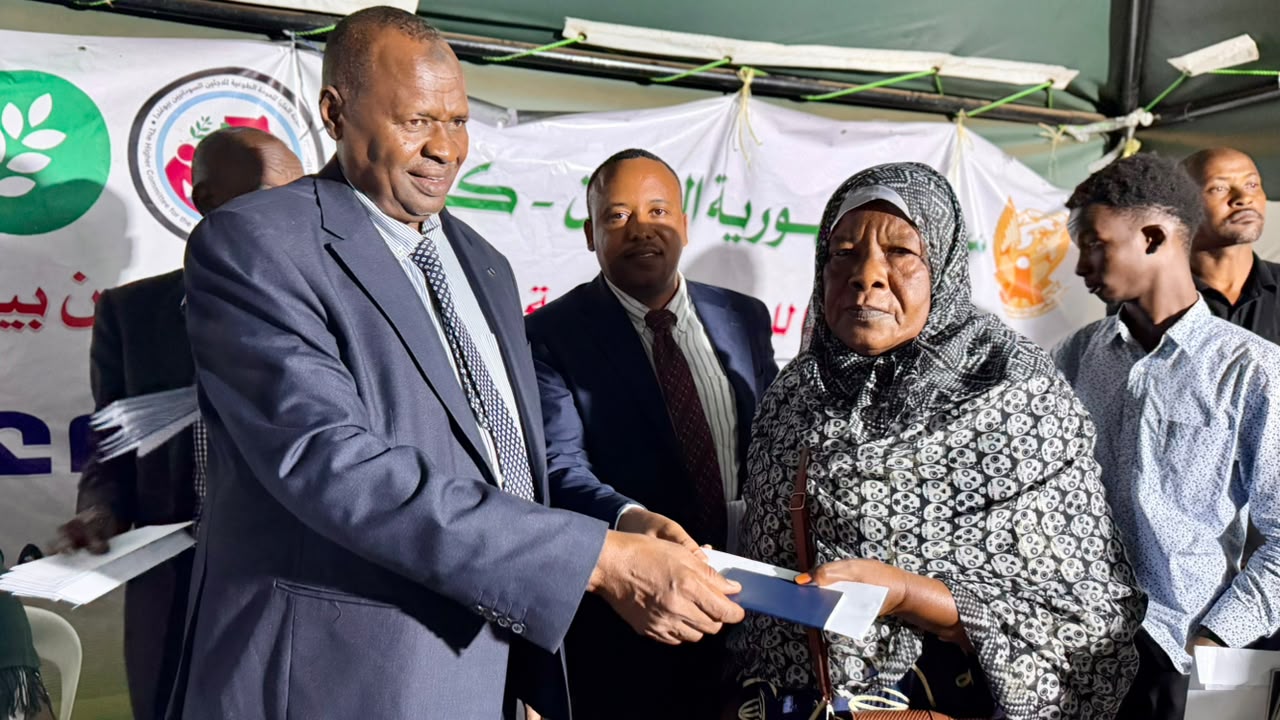
Uganda: 202 Sudanese Refugees Voluntarily Repatriated to Sudan
Summary
- A total of 202 Sudanese refugees recently returned from Uganda to Sudan on two voluntary repatriation flights.
- The 23rd flight carried 142 returnees to Khartoum, while the 22nd flight transported 60 refugees to Port Sudan.
- These flights are part of a continuous voluntary repatriation program organized by the Higher Committee for the Voluntary Return of Sudanese Refugees from Uganda.
- The Sudanese embassy in Uganda coordinates these efforts, ensuring the program is for refugees wishing to return home.
- All returnees completed departure procedures at Entebbe International Airport, with Badr Airlines operating one of the recent flights.
Recent Repatriation Efforts
For legal professionals advising Sudanese refugees in Uganda, understanding the mechanics and principles of this ongoing voluntary repatriation program is paramount.
A recent initiative saw 202 Sudanese refugees successfully repatriated from Uganda to Sudan through a series of two voluntary flights. These organized returns underscore ongoing efforts to facilitate the safe passage of individuals choosing to return to their home country. The first of these recent flights, marking the 22nd voluntary return operation, departed Uganda on a Saturday, transporting 60 Sudanese refugees directly to Port Sudan International Airport.
The subsequent flight, the 23rd in the series, took place on Sunday morning. This operation involved 142 returnees who traveled aboard a Badr Airlines flight, landing at Khartoum International Airport. Prior to their departure, all individuals completed the necessary exit procedures at Entebbe International Airport in the early hours of Sunday, signifying a coordinated and structured process for their return. These flights are integral components of a broader, continuous program designed to assist Sudanese refugees in Uganda who express a desire to return to Sudan.
Program Coordination and Voluntariness
The systematic arrangement of these Uganda Sudan refugee return flights is overseen by the Higher Committee for the Voluntary Return of Sudanese Refugees from Uganda. This dedicated body works in close coordination with the Sudanese embassy in Uganda, ensuring that the repatriation process adheres to established protocols and supports the refugees' decisions. The involvement of the Sudanese embassy Uganda refugee program highlights the official governmental support for these initiatives, aiming to provide a structured pathway for those opting to leave their refugee status.
Central to the entire operation is the principle of voluntariness. The program is explicitly designed for Sudanese refugees who genuinely wish to return to their homeland, emphasizing that all returns are based on individual choice rather than compulsion. This focus on voluntary repatriation is a critical element, ensuring that the rights and autonomy of the refugees are respected throughout the process, from their departure procedures at Entebbe to their arrival at Khartoum or Port Sudan. The consistent execution of these flights, including the recent Khartoum Port Sudan refugee arrivals, reflects a sustained commitment to this voluntary framework.
Broader Implications for Refugee Repatriation
The successful repatriation of 202 Sudanese refugees from Uganda carries significant implications for both humanitarian aid efforts and the legal frameworks governing refugee movements. For legal professionals advising Sudanese refugees in Uganda, understanding the mechanics and principles of this ongoing voluntary repatriation program is paramount. Counsel must be acutely aware of the safeguards in place to ensure that the decision to return is truly voluntary and that the conditions in Sudan are conducive to safe and dignified reintegration, aligning with international refugee law principles.
These organized returns, facilitated by entities like the Higher Committee and supported by the Sudanese embassy, serve as a tangible example of collaborative efforts in managing large-scale refugee populations. While the specific details of refugee law Sudan Uganda might vary, the overarching international standard of voluntary, safe, and dignified return remains a cornerstone. The continued operation of these flights, including those utilizing Badr Airlines, demonstrates a commitment to providing options for refugees, allowing them to exercise their right to return when they deem it appropriate and safe. The consistent flow of these returnees underscores the importance of transparent and well-managed repatriation channels for individuals seeking to rebuild their lives in their country of origin.
Practical Implications
Lawyers advising Sudanese refugees in Uganda or those considering return to Sudan should be aware of ongoing voluntary repatriation programs and the legal frameworks governing them, particularly regarding the voluntariness and safety of return, to properly counsel their clients.
Source
How does this affect you?
Get an AI analysis of this article grounded in your jurisdictions, practice areas, and any policy documents you've uploaded to Wansom.
Finish Reading the Full Story and the Expert Analysis.
Get the latest legal & regulatory intelligence in Sudan
Wansom is AI and can make mistakes.