
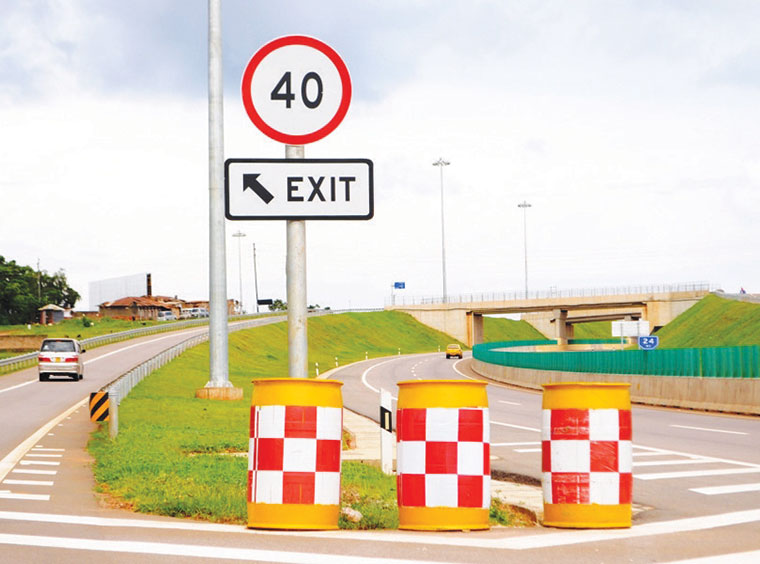
Uganda Parliament: Entebbe Expressway Toll Collection Cost Audit
Summary
- Uganda's Parliament has challenged the government over spending Shs 122 billion to collect Shs 129 billion in toll revenue from the Kampala-Entebbe expressway.
- The physical infrastructure committee questioned the financial viability of the country's first tolled highway.
- Concerns were raised regarding whether the expressway delivers value for money given the narrow margin between cost and revenue.
- The parliamentary inquiry was prompted by the discovery of discrepancies in the management of toll operations.
What Sparked the Scrutiny
The core of the parliamentary concern centers on the substantial expenditure incurred to collect tolls.
Uganda's Parliament has formally challenged the government regarding the financial management of the Kampala-Entebbe expressway, the nation's inaugural tolled highway. The physical infrastructure committee initiated an inquiry after uncovering significant discrepancies in toll revenue management, prompting a demand for justification from government officials.
The core of the parliamentary concern centers on the substantial expenditure incurred to collect tolls. It was revealed that Shs 122 billion was spent in the process of generating Shs 129 billion in toll revenue from the Entebbe Expressway. This narrow margin between operational cost and collected income has led to serious questions about the project's overall financial viability and whether it delivers adequate value for public money.
This parliamentary action underscores a growing demand for accountability in large-scale public works. The committee's findings have cast a shadow over the operational efficiency of the Uganda Entebbe Expressway toll collection cost structure, signaling a critical audit of how such vital infrastructure projects are managed and financed.
Legal and Regulatory Implications
The parliamentary audit of the Kampala-Entebbe expressway's financial performance signals a heightened era of scrutiny for major public infrastructure projects across Uganda. This development is particularly relevant for legal practitioners advising on Public-Private Partnerships (PPPs) and other complex infrastructure contracts, as it sets a precedent for more rigorous oversight from legislative bodies.
Government bodies responsible for project implementation and oversight, including those involved in the Entebbe Expressway revenue scrutiny, are now likely to face increased demands for transparency. This extends to requiring robust financial projections during project conceptualization and stringent accountability mechanisms throughout the operational phase. The current inquiry highlights the importance of clearly defined cost recovery models and efficient toll collection processes to ensure the long-term financial viability of such ventures.
The questioning of the Uganda government spending oversight on this flagship project suggests that future infrastructure agreements will need to incorporate more detailed provisions for financial reporting, performance audits, and mechanisms for addressing operational inefficiencies. Lawyers drafting or reviewing such contracts should anticipate a greater emphasis on clauses that ensure value for money and protect public interest, moving beyond mere compliance to demonstrable economic benefit.
Why This Matters for Future Projects
The parliamentary committee's direct challenge regarding the Uganda Entebbe Expressway toll collection cost and its financial viability carries significant weight for the nation's infrastructure development trajectory. It sends a clear message that large public investments, particularly those involving new operational models like tolled highways, will be subjected to intense Uganda Parliament infrastructure audit and public scrutiny.
This focus on the Entebbe Expressway revenue scrutiny could influence investor confidence and the structuring of future financing for similar projects. Demonstrating efficient management and a clear return on investment will become paramount for attracting both domestic and international capital. The current situation emphasizes that the perceived benefits of infrastructure development must be demonstrably supported by sound financial performance and operational efficiency.
Ultimately, this parliamentary intervention reinforces the critical need for meticulous planning, transparent execution, and continuous monitoring of public infrastructure. It underscores that the success of projects like the Kampala-Entebbe expressway is not solely measured by their completion, but by their sustained financial health and their ability to deliver tangible value for the substantial public funds invested.
Practical Implications
This development signals heightened parliamentary scrutiny over the financial viability and operational efficiency of major public infrastructure projects in Uganda. Lawyers advising clients on Public-Private Partnerships (PPPs) or infrastructure contracts should anticipate increased demands for transparency, robust financial projections, and accountability from government bodies and project implementers.
Source
How does this affect your business?
Get an AI analysis of this article grounded in your jurisdictions, practice areas, and any policy documents you've uploaded to Wansom.
Wansom is AI and can make mistakes.