
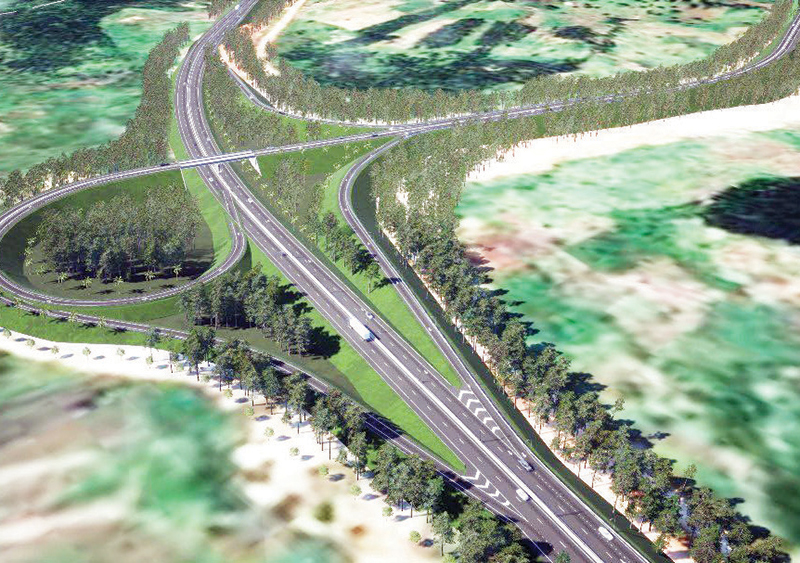
Uganda: Busega-Mpigi Expressway Corruption: Shs 1.3T Cost Overrun
Summary
- The Busega-Mpigi expressway project in Uganda, initially budgeted at Shs 547 billion, is now projected to cost Shs 1.3 trillion.
- Funding for the project was secured through a loan from the African Development Bank (AfDB).
- The significant cost overrun is attributed to widespread negligence, corruption, and mismanagement, including 14 reported 'fatal decisions'.
- Ugandans have expressed shock and concern over the project's bungled execution.
- This development signals increased regulatory and public scrutiny over large-scale infrastructure projects in Uganda, especially those with international funding.
Project Overview and Mounting Concerns
The revelation of the potential Shs 1.3 trillion cost for the Busega-Mpigi expressway has deeply shocked Ugandans, transforming the project into a symbol of what many perceive as rampant Kibuye Busega Mpigi project negligence and corruption.
The Busega-Mpigi expressway, a critical infrastructure initiative in Uganda, was initially conceived with an estimated budget of Shs 547 billion. This ambitious project, designed to connect Kibuye to Busega and then to Mpigi, secured its funding through a significant loan from the African Development Bank (AfDB), underscoring its importance for regional development and connectivity.
However, the project has recently become a focal point of public concern due to widespread reports of severe issues. What began as a vital development endeavor is now facing intense scrutiny over allegations of negligence, corruption, and mismanagement. These issues have cast a shadow over the project's execution and its ultimate financial viability, leading to significant public outcry across Uganda.
Escalating Costs and Mismanagement Allegations
Initial projections for the Busega-Mpigi expressway have been dramatically overshadowed by a potential Busega-Mpigi project cost overrun that could see the total expenditure soar to an alarming Shs 1.3 trillion. This represents a staggering increase from the original Shs 547 billion, signaling profound financial irregularities and operational failures within the project's framework.
The substantial escalation in costs is directly attributed to a series of critical errors and oversight failures. Reports indicate that a total of 14 'fatal decisions' have contributed to the project's current predicament, pointing to systemic Uganda infrastructure project mismanagement. These decisions are believed to be at the heart of the financial disarray and operational inefficiencies that have plagued the expressway's development, raising serious questions about accountability and governance.
Public Outcry and Heightened Scrutiny
The revelation of the potential Shs 1.3 trillion cost for the Busega-Mpigi expressway has deeply shocked Ugandans, transforming the project into a symbol of what many perceive as rampant Kibuye Busega Mpigi project negligence and corruption. This public sentiment highlights a growing demand for transparency and accountability in large-scale public works, particularly those funded by international bodies like the African Development Bank Uganda loan.
The widespread public dismay signals a period of heightened regulatory and public scrutiny over major infrastructure projects in Uganda. This development suggests that future projects, especially those involving significant international funding, will likely face more rigorous oversight and a lower tolerance for mismanagement or financial irregularities. The focus on the Uganda Busega-Mpigi expressway corruption underscores a broader call for improved governance and ethical conduct in public procurement and project execution.
Implications for Future Compliance
The unfolding situation surrounding the Busega-Mpigi expressway serves as a critical warning for all entities involved in public procurement and project execution within Uganda. The severe allegations of negligence, corruption, and mismanagement, coupled with the dramatic cost overrun, indicate that regulatory bodies and the public are increasingly vigilant. This environment necessitates a proactive approach to compliance and risk management for all stakeholders.
Moving forward, there is an expectation of more stringent investigations and robust accountability measures for any instances of financial impropriety or operational failure in large-scale infrastructure projects. Organizations and individuals participating in such ventures should meticulously review and strengthen their compliance frameworks to mitigate risks associated with corruption and mismanagement, as the consequences for non-compliance are likely to be significant.
Practical Implications
This development signals heightened regulatory and public scrutiny over large-scale infrastructure projects in Uganda, particularly those with international funding. Lawyers should advise clients involved in public procurement or project execution to review their compliance frameworks for corruption and mismanagement risks, as investigations and accountability measures are likely.
Source
How does this affect you?
Get an AI analysis of this article grounded in your jurisdictions, practice areas, and any policy documents you've uploaded to Wansom.
Finish Reading the Full Story and the Expert Analysis.
Get the latest legal & regulatory intelligence in Uganda
Wansom is AI and can make mistakes.