
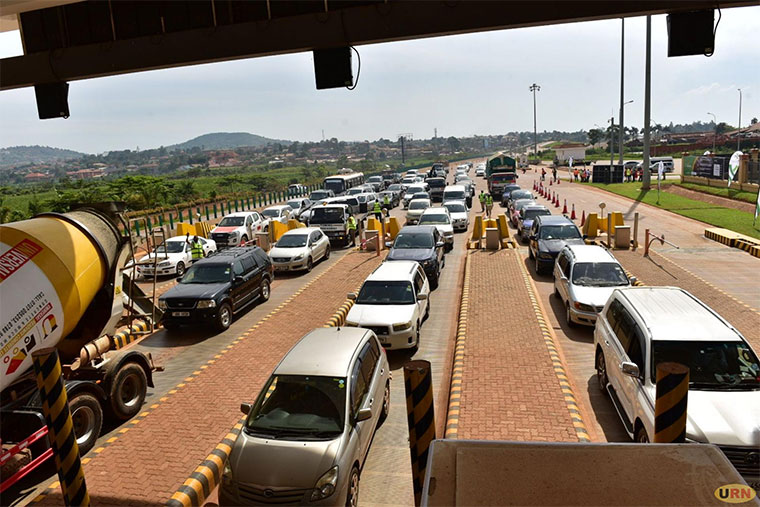
Uganda AG: Entebbe Expressway EGIS Contract Termination Risks Arbitration
Summary
- Uganda's Attorney General has warned against terminating the contract of EGIS Road Operation S.A., the French company managing tolls and operations on the Kampala-Entebbe Expressway.
- Such a termination could lead to costly international arbitration for the Ugandan government.
- Parliament's committee on physical infrastructure, chaired by Mwine Mpaka, has called for the immediate termination of the operator's contract.
- EGIS Road Operation S.A. was contracted to manage toll collection and operations for the expressway.
- The warning highlights significant legal and financial risks for Uganda in disputes with foreign operators.
Overview of the Dispute
Uganda's Attorney General has issued a stark warning regarding the potential for costly international arbitration should the government unilaterally terminate the contract with the private operator managing the Kampala-Entebbe Expressway.
Uganda's Attorney General has issued a stark warning regarding the potential for costly international arbitration should the government unilaterally terminate the contract with the private operator managing the Kampala-Entebbe Expressway. This critical infrastructure project relies on a French company, EGIS Road Operation S.A., for its toll collection and operational management. The Attorney General's caution underscores the significant legal and financial risks associated with such a move, particularly in the context of public-private partnerships involving foreign entities.
The warning from the Attorney General comes amidst growing pressure from within the Ugandan Parliament. Specifically, the parliamentary committee on physical infrastructure has publicly called for the immediate termination of the EGIS Road Operation S.A. contract. This demand highlights a divergence in opinion within government circles regarding the handling of the Uganda AG Entebbe Expressway EGIS contract, setting the stage for a potential legal showdown if the parliamentary committee's recommendations are adopted.
Legal and Financial Ramifications
The Attorney General's advisory emphasizes that any premature termination of the contract with EGIS Road Operation S.A. could trigger an expensive international arbitration process. Such proceedings typically involve significant legal fees, potential damages awards, and can be protracted, imposing a substantial financial burden on the Ugandan state. The prospect of Uganda international arbitration risk is a serious consideration for the government, as it could divert public funds and resources that are otherwise earmarked for national development.
International arbitration clauses are standard in many large-scale infrastructure agreements, particularly those involving foreign investors, to provide a neutral forum for dispute resolution. Should the government proceed with terminating the Kampala-Entebbe Expressway toll operator's agreement, it would likely face a claim for breach of contract, with EGIS Road Operation S.A. seeking compensation for lost revenue and investments. This scenario not only carries direct financial costs but also poses risks to Uganda's reputation as a reliable partner for international investors in future public-private partnership projects.
Parliamentary Pressure and Government's Stance
The call for immediate termination of the EGIS Road Operation S.A. contract originated from the parliamentary committee on physical infrastructure, which is chaired by Mwine Mpaka. This legislative body's stance reflects a desire for a different approach to the management of the Kampala-Entebbe Expressway, contrasting sharply with the legal advice provided by the Attorney General. The committee's demand places the government in a difficult position, balancing political pressure with the potential legal and economic consequences of such an action.
The Attorney General, as the principal legal advisor to the government, is tasked with safeguarding the state's interests and ensuring adherence to legal obligations. Their warning against the Uganda government contract termination warning serves as a critical reminder of the sanctity of contracts and the potential repercussions of disregarding international agreements. This internal governmental tension highlights the complexities involved in managing large infrastructure projects and the interplay between political imperatives and legal realities.
Broader Implications for Public-Private Partnerships
The ongoing dispute surrounding the Kampala-Entebbe Expressway toll operator has broader implications for the landscape of public-private partnerships (PPPs) in Uganda. The Attorney General's caution against contract termination underscores the importance of contractual stability and predictability for foreign investors. A perceived willingness by the government to unilaterally terminate agreements could deter future international investment in critical sectors, impacting Uganda's long-term development goals.
This situation serves as a significant case study regarding the public-private partnership Uganda dispute resolution mechanisms and the potential for sovereign risk. Maintaining the integrity of signed contracts is crucial for fostering investor confidence and ensuring the continued flow of foreign capital into large-scale infrastructure projects. The outcome of this particular scenario will likely be closely watched by international businesses and legal professionals assessing the investment climate in Uganda.
Practical Implications
This development highlights the significant risk of international arbitration for the Ugandan government if it unilaterally terminates contracts with foreign operators. Lawyers advising clients on public-private partnerships or large infrastructure projects in Uganda should note this precedent regarding contract sanctity and sovereign risk.
Source
How does this affect you?
Get an AI analysis of this article grounded in your jurisdictions, practice areas, and any policy documents you've uploaded to Wansom.
Finish Reading the Full Expert Analysis.
Wansom is AI and can make mistakes.