
UDC: Exige Excuses et Réparation pour Journalistes Détenus au Cameroun
Summary
- Four Cameroonian journalists were detained in September 2026 over the alleged theft of Minister Alamine Ousmane Mey's glasses.
- The glasses were reportedly found in the minister's vehicle on September 17, yet the journalists remained in custody until September 21.
- The Union Démocratique du Cameroun (UDC) has condemned the incident as an attack on democracy and demanded public apologies and reparations for the journalists.
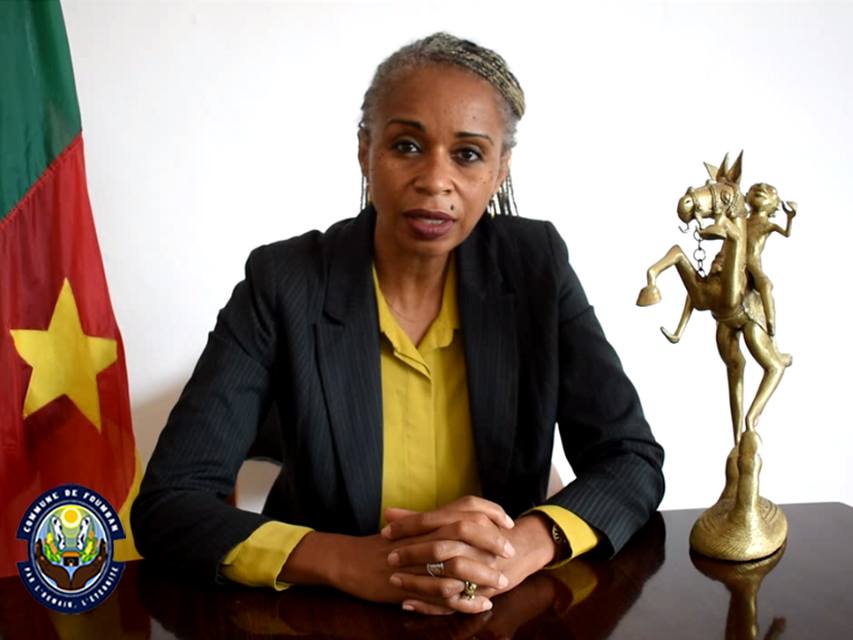
- UDC President Mayor Hermine Patricia Tomaino Ndam Njoya signed the official declaration, criticizing the swift detention and conditions faced by the media professionals.
What Happened
The Union Démocratique du Cameroun (UDC) has strongly condemned the incident, characterizing the detention of the journalists as an affront to democratic principles and a deeply degrading experience.
In an incident that has drawn significant political scrutiny, four journalists in Cameroon were detained in September 2026 following allegations of stealing glasses belonging to Alamine Ousmane Mey, the Minister of Economy, Planning and Regional Development. The journalists, identified as François Essomba, Igor Gwet Bibey, Solange Djuikam, and Pierre Mouchili, were reportedly apprehended between September 16 and 17. This occurred on the sidelines of the Islamic Development Bank Days, an event hosted at the Palais des Congrès.
A critical detail emerged shortly after their detention: the minister's glasses were reportedly located inside his own vehicle on September 17. Despite this discovery, the four media professionals remained in custody at Central Police Station No. 1. Their detention continued until September 21, with reports describing their conditions during this period as being of "sad renown," raising serious questions about due process and the treatment of individuals under state custody.
Political Outcry and Demands
The Union Démocratique du Cameroun (UDC), a political party founded by the late Adamou Ndam Njoya, has vehemently denounced the handling of the "affaire des lunettes ministre Cameroun," viewing it as a direct assault on democratic values. In an official declaration signed by its National President, Mayor Hermine Patricia Tomaino Ndam Njoya, the UDC articulated its strong disapproval, labeling the episode as "as unusual as it is regrettable, because it is most degrading." The party expressed profound concern over how journalists, while performing their professional duties, could be so readily mistaken for common thieves, subjected to swift detention, and exposed to public condemnation.
The UDC has put forth clear demands in response to what it perceives as an injustice. The party insists on public apologies from the authorities to the affected journalists and calls for appropriate reparation for the harm they endured. This stance underscores the UDC's commitment to upholding the rights of media professionals and challenging actions that undermine the integrity of the press and the rule of law in Cameroon. The party's strong condemnation highlights the broader implications of such incidents for the nation's democratic landscape.
Implications for Press Freedom and Due Process
This incident, involving the `détention arbitraire journalistes Cameroun`, casts a shadow over the state of `liberté de la presse Cameroun`. The fact that journalists like François Essomba and Igor Gwet Bibey were held for several days, even after the alleged stolen item was reportedly found, raises significant concerns about potential abuses of power and adherence to legal protocols. The UDC's strong reaction, demanding `excuses réparation journalistes Cameroun`, points to a systemic issue where media professionals may be vulnerable to arbitrary actions by authorities.
Such events are critical for legal observers and human rights advocates, as they highlight the fragility of civil liberties and the importance of a robust, independent press. The UDC's questioning of how journalists could be "thrown into a cell so quickly" and subjected to "public opprobrium" underscores a perceived disregard for fundamental rights. This case serves as a stark reminder of the ongoing challenges faced by journalists in the region and the need for constant vigilance to protect press freedom and ensure due process for all citizens.
Practical Implications
This incident highlights potential abuses of power and violations of press freedom and due process in Cameroon. Lawyers advising media organizations or human rights NGOs should monitor this case for its implications on civil liberties and the rule of law, and be prepared to represent clients facing similar issues or to pursue accountability for such actions.
Source
How does this affect you?
Get an AI analysis of this article grounded in your jurisdictions, practice areas, and any policy documents you've uploaded to Wansom.
Finish Reading the Full Story and the Expert Analysis.
Get the latest legal & regulatory intelligence in Cameroon
Wansom is AI and can make mistakes.