
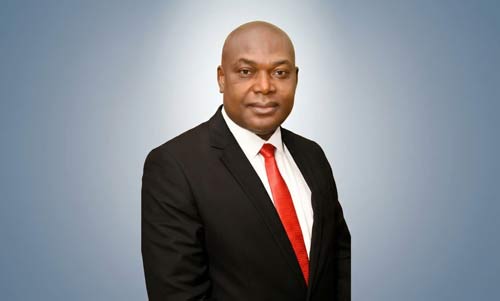
Federal High Court Abuja: Ubani Judge Appointment Suit Dismissed
Summary
- The Federal High Court in Abuja dismissed a suit seeking to block Chukwuemeka Tony Ubani's appointment as a judge.
- The suit aimed to restrain the FCT Judicial Service Committee and the National Judicial Council from considering Ubani.
- Justice Inyang Ekwo dismissed the case after the plaintiff chose to discontinue the suit.
- Chukwuemeka Tony Ubani currently serves as the Director of Enforcement at the FCT High Court.
- The dismissal clears the path for Ubani's potential consideration for an FCT High Court judge position.
What Happened
This development clears the immediate path for Ubani, who currently serves as the Director of Enforcement at the FCT High Court, to be considered for a judge position.
The Federal High Court in Abuja has formally dismissed a legal action that aimed to prevent the consideration of Chukwuemeka Tony Ubani for a judicial appointment. The suit specifically sought to restrain both the Federal Capital Territory (FCT) Judicial Service Committee and the National Judicial Council (NJC) from proceeding with Ubani's potential elevation to the bench. This decision by the court effectively removes a significant legal hurdle to his prospective appointment.
Justice Inyang Ekwo presided over the case at the Federal High Court Abuja, ultimately issuing the dismissal. The court's action was predicated on the plaintiff's decision to discontinue the suit, indicating that the party initiating the legal challenge chose to withdraw their complaint. This development clears the immediate path for Ubani, who currently serves as the Director of Enforcement at the FCT High Court, to be considered for a judge position.
Judicial Appointment Process
The legal challenge had targeted the established bodies responsible for judicial appointments within Nigeria. The FCT Judicial Service Committee is typically involved in the initial stages of identifying and recommending candidates for judicial roles within the Federal Capital Territory. These recommendations are then forwarded to the National Judicial Council (NJC), which plays a crucial role in the screening, vetting, and final recommendation of judicial officers to the President or state governors, depending on the court.
The suit's objective was to interdict this established process, specifically concerning Chukwuemeka Tony Ubani's candidacy. By seeking to restrain these two key bodies, the plaintiff aimed to halt any progression of Ubani's name through the appointment pipeline. The dismissal of the case, therefore, allows these constitutional bodies to continue their functions without the impediment of the now-withdrawn legal challenge, ensuring the integrity of the National Judicial Council Ubani appointment process.
Implications of the Dismissal
The dismissal of the Ubani judge appointment suit carries notable implications for the judicial appointment landscape. While the specific grounds for the original challenge were not detailed in the court's dismissal, the resolution by discontinuance highlights a common mechanism for ending litigation. This outcome means that the process for considering Chukwuemeka Tony Ubani for an FCT High Court judge position can now proceed without the immediate threat of this particular legal obstruction.
For legal practitioners and those observing the judiciary, the resolution of the Justice Inyang Ekwo Ubani case through discontinuance offers a specific insight into the dynamics of challenging official appointments. It demonstrates that such legal actions, even when initiated, can be voluntarily withdrawn by the plaintiff, leading to a court-ordered dismissal. This procedural outcome effectively nullifies the legal impediment that had been placed on the FCT Judicial Service Committee Ubani consideration.
This development is particularly relevant for those monitoring judicial appointments and the mechanisms through which they can be contested or affirmed. The Federal High Court Abuja Ubani ruling underscores that the path to judicial office, while subject to scrutiny and potential legal challenges, can be cleared when plaintiffs opt to discontinue their cases, thereby allowing the established appointment procedures to continue unimpeded.
Practical Implications
This dismissal clears the path for Chukwuemeka Tony Ubani's potential appointment as an FCT High Court judge, indicating that challenges to judicial appointments may be resolved by discontinuance, which lawyers should note when advising on or initiating similar actions.
Source
How does this affect you?
Get an AI analysis of this article grounded in your jurisdictions, practice areas, and any policy documents you've uploaded to Wansom.
Finish Reading the Full Story and the Expert Analysis.
Wansom is AI and can make mistakes.