
Uba Sani Approves ₦300M for KASU-ASUU, Forms Committee to Avert Strike
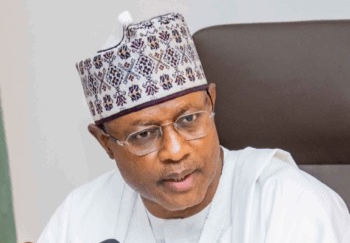
Governor Uba Sani of Kaduna State, Nigeria, has approved a sum of ₦300 million for the Kaduna State University (KASU) chapter of the Academic Staff Union of Universities (ASUU) and established a negotiation committee to prevent an impending strike, as reported by Premium Times Nigeria.
This action holds significant legal and socio-economic implications, particularly within the Nigerian public education sector. It demonstrates a proactive approach by the state government to address industrial disputes, which are common in tertiary institutions. Legally, it involves the principles of collective bargaining between employers (the state government and university management) and employee unions (ASUU). The approval of funds signifies a commitment to meeting some of the union's demands, which often revolve around welfare, infrastructure, and earned allowances. The formation of a negotiation committee is a standard dispute resolution mechanism under Nigerian labour law, aiming to foster dialogue and reach a mutually acceptable agreement, thereby averting the disruptive impact of strikes on academic calendars and student welfare.
The legal framework governing this situation primarily includes the Trade Unions Act, which regulates the formation and activities of trade unions, and the Trade Disputes Act, which outlines procedures for the prevention and settlement of trade disputes, including conciliation and arbitration. Public finance laws and regulations also govern the allocation and disbursement of the approved funds, ensuring accountability and transparency. University autonomy laws and statutes define the operational independence of institutions like KASU, while also delineating the state government's oversight and funding responsibilities. The key parties are Governor Uba Sani representing the Kaduna State Government, the management of Kaduna State University (KASU), and the Academic Staff Union of Universities (ASUU) KASU chapter, alongside the newly constituted negotiation committee.
Attorneys advising state governments or public institutions should be well-versed in labour law, public finance regulations, and dispute resolution mechanisms. They must ensure that any agreements reached with unions are legally sound, financially viable, and comply with relevant statutes. For lawyers representing labour unions, understanding the legal avenues for negotiation, the rights of workers to industrial action, and the procedures for declaring and resolving disputes is crucial. Both sides must navigate the complexities of collective bargaining, ensuring that negotiations are conducted in good faith and that any resolutions are enforceable. Monitoring the progress of the negotiation committee and the implementation of the approved funds will be essential for all stakeholders to ensure the sustained stability of the academic environment.
How does this affect you?
Get an AI analysis of this article grounded in your jurisdictions, practice areas, and any policy documents you've uploaded to Wansom.
Wansom is AI and can make mistakes.