
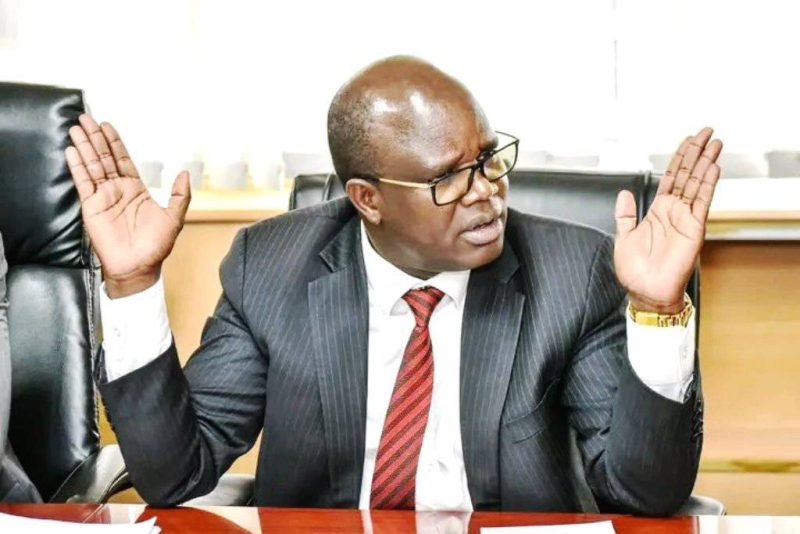
UASU Strike: Sh20 Billion Deal Ends Kenya University Lecturers' Action
Summary
- The Universities Academic Staff Union (UASU) has ended its nationwide strike after reaching a Sh20 billion agreement with the government.
- The deal aims to implement the 2025–2029 Collective Bargaining Agreements and includes salary increments and allowance harmonisation.
- The Sh20 billion will be disbursed in three installments across three financial years, starting in 2026/2027.
- A key provision ensures no victimisation of striking lecturers, mandating the withdrawal of disciplinary actions and protecting contract renewals.
- Lecturers are scheduled to resume duties on Monday, November 2, following the nearly month-long disruption to public universities.
Resolution of the Kenya University Lecturers Strike
This provision sets a notable precedent for industrial relations within Kenya's public university system, underscoring the importance of protecting employee rights during lawful industrial action.
The Universities Academic Staff Union (UASU) has concluded its nationwide industrial action, which had significantly disrupted public universities across Kenya for nearly a month. The strike, initiated on October 2, saw teaching, learning, and research activities paralyzed until an agreement was reached on October 31. This resolution came after extensive negotiations with the Inter-Public Universities Councils Consultative Forum (IPUCCF), facilitated by an Inter-Ministerial Committee, culminating in a Sh20 billion deal aimed at implementing the 2025–2029 Collective Bargaining Agreements (CBAs). Lecturers are now expected to resume their duties on Monday, November 2, marking an end to the significant disruption in the Kenya higher education labor dispute.
UASU Secretary-General Constantine Wasonga formally announced the cessation of the strike on Friday, October 31, following the successful conclusion of the talks. The union emphasized that the agreement represented a necessary compromise, balancing the immediate concerns of students with the fundamental demands of academic staff for improved working conditions and protection of their rights. This significant development follows a period of intense pressure on the higher education sector, with the Universities Academic Staff Union advocating for better terms for its members.
Key Provisions of the Sh20 Billion Agreement
The core of the newly signed agreement is a Sh20 billion financial package designated for the implementation of the Collective Bargaining Agreements spanning 2025 to 2029. This substantial sum will be disbursed by the government in three distinct installments over three financial years. The initial tranche, amounting to Sh6.7 billion, is scheduled for release during the 2026/2027 financial year. A subsequent payment of Sh6.7 billion will follow in the 2027/2028 financial year, with the remaining Sh6.6 billion to be disbursed in the 2028/2029 financial year.
Beyond the lump sum, the agreement details specific salary and allowance adjustments for university lecturers. Academic staff will receive an annual basic salary increment of 3.5 percent over a four-year period, with this increase retroactively applied from July 1, 2025. Furthermore, the deal stipulates an automatic annual salary increment of five percent. It also includes provisions for the harmonization and enhancement of various allowances, such as commuter, leave, passage, and baggage allowances, benefiting the majority of academic staff within public universities. Regarding outstanding payments, salary and allowance arrears accrued between July 1, 2025, and June 30, 2026, will be settled in three installments, while arrears from July 1 to December 31, 2026, are slated for payment alongside January 2027 salaries.
Safeguarding Academic Staff Rights and Future Implications
A critical component of the IPUCCF UASU agreement addresses the protection of academic staff who participated in the recent Kenya university lecturers strike. The terms explicitly mandate the withdrawal of all disciplinary proceedings initiated against employees during the industrial action. Moreover, for academic staff serving on contract, their involvement in the strike will not be used as a basis to deny them contract renewals, a significant safeguard for job security. UASU Secretary-General Wasonga highlighted that the signed Return to Work Formula (RTWF) provides robust protection against victimisation for all union members, including officials and those on contractual terms.
This provision sets a notable precedent for industrial relations within Kenya's public university system, underscoring the importance of protecting employee rights during lawful industrial action. Wasonga acknowledged the difficulty in reaching this consensus, describing it as a compromise where the union had to carefully weigh the educational disruption against the lecturers' fundamental rights to dignified working conditions, collective bargaining, and pension security. The government, particularly the Ministry of Education and the National Treasury, received commendation from the union for facilitating the necessary funding to implement these crucial Collective Bargaining Agreements Kenya.
Broader Impact on Kenya's Higher Education
The nearly month-long UASU strike had profound consequences for Kenya's higher education sector. Academic programs were severely disrupted, leading to concerns about delayed examinations, interrupted teaching schedules, and the potential extension of academic calendars across public universities. The resolution of the Kenya university lecturers strike, marked by the signing of the return-to-work agreement, now paves the way for the restoration of normal operations within these institutions.
However, universities face the immediate challenge of addressing the academic time lost during the industrial action. The Universities Academic Staff Union also extended its gratitude to students for their patience throughout the disruption, urging them to return to their studies without delay. The successful negotiation of the Sh20bn deal Kenya represents a significant step towards stabilizing the academic environment and ensuring the continued implementation of Collective Bargaining Agreements Kenya, crucial for the welfare of academic staff and the functioning of public universities.
Practical Implications
Lawyers advising Kenyan public universities or academic staff unions should note the specific terms of this Sh20bn Collective Bargaining Agreement, particularly the provisions for non-victimisation of striking employees and the withdrawal of disciplinary proceedings. This agreement sets a precedent for future industrial relations and compliance officers must ensure strict adherence to the Return to Work Formula to mitigate legal risks related to employee rights and contract renewals.
Source
How does this affect you?
Get an AI analysis of this article grounded in your jurisdictions, practice areas, and any policy documents you've uploaded to Wansom.
Finish Reading the Full Story and the Expert Analysis.
Wansom is AI and can make mistakes.