
UASU: Petitions Parliament Over Stalled University Staff CBA Amid Strike
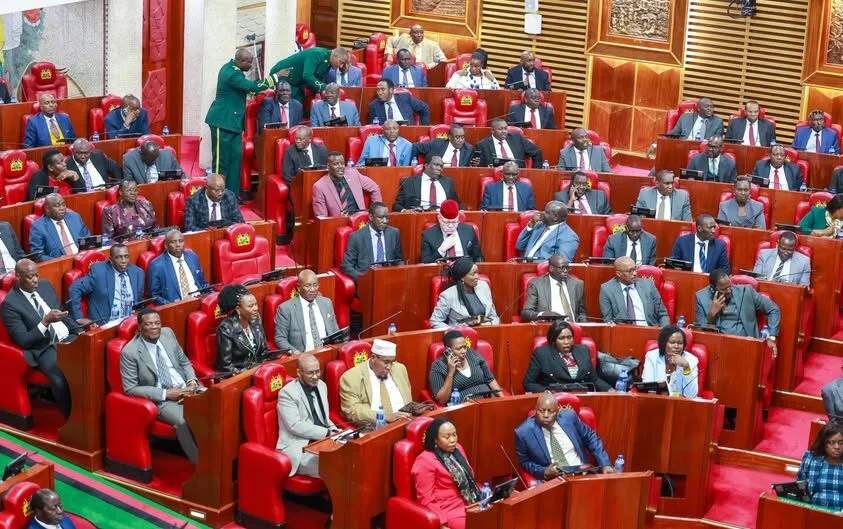
In Kenya, the Universities Academic Staff Union (UASU), alongside other university staff unions, recently petitioned the National Assembly over the government’s failure to provide a firm funding commitment for the 2025–2029 Collective Bargaining Agreement (CBA), escalating pressure on the State amidst an ongoing lecturers’ strike.
This petition highlights a critical breakdown in industrial relations within Kenya's public university sector and underscores the role of Parliament as an oversight body and a forum for addressing public grievances. The unions' action signifies a strategic move to leverage legislative intervention when direct negotiations with the executive (Ministry of Education) and university councils have stalled. For labour law practitioners, this case exemplifies the complexities of collective bargaining in the public sector, particularly when funding commitments are central to the dispute, and demonstrates the various avenues unions can pursue to advance their demands, including parliamentary petitions.
The dispute is rooted in the principles of collective bargaining, enshrined in labour laws such as the Labour Relations Act, which governs the negotiation and implementation of CBAs. The unions are relying on previous return-to-work agreements, which are legally binding contracts, to press their case. The petition to Parliament falls under the constitutional right to petition and the National Assembly's oversight function, allowing citizens and organizations to seek legislative redress for public issues. The involvement of the Departmental Committee on Education and the Departmental Committee on Labor indicates the parliamentary process for handling such petitions, which typically involves investigations and recommendations.
The key parties involved are the Universities Academic Staff Union (UASU), Kenya Universities Staff Union (KUSU), and Kenya Union of Domestic, Hotels, Educational Institutions, Hospitals and Allied Workers (KUDHEIHA), collectively representing approximately 30,000 university employees. Their representatives, including UASU Secretary-General Dr Constantine Wasonga Opiyo, KUSU Secretary-General Dr Charles Mukhwaya, and KUDHEIHA National Trustee Odoyo Genga, presented the petition to the National Assembly Speaker Moses Wetang’ula. The petition targets the Ministry of Education and the Inter-Public Universities Councils Consultative Forum (IPUCCF) for their alleged failure to honour commitments.
Labour law attorneys advising unions or public sector employers should closely follow the parliamentary proceedings related to this petition, as any legislative recommendations or interventions could set precedents for future public sector CBA negotiations. Employers, particularly public universities, must understand the legal implications of failing to honour return-to-work agreements and the potential for escalating industrial action and parliamentary scrutiny. Unions, conversely, can learn from the strategic use of parliamentary petitions as a tool to exert pressure and seek resolution when negotiations falter. The outcome of the parliamentary intervention and the resolution of the strike are not yet reported.
How does this affect you?
Get an AI analysis of this article grounded in your jurisdictions, practice areas, and any policy documents you've uploaded to Wansom.
Finish Reading the Full Story and the Expert Analysis.
Get the latest legal & regulatory intelligence in Kenya
Wansom is AI and can make mistakes.