
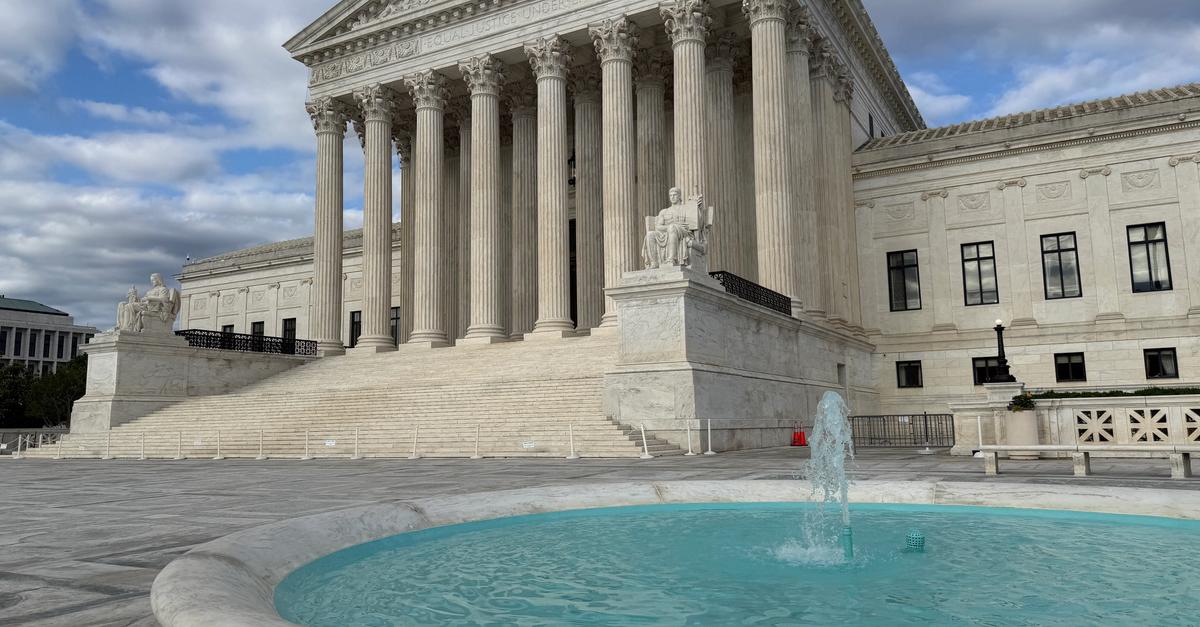
US Chief Justice Delegation Duties Constitutionality
Summary
- A recent proposal suggests the chief justice should delegate presiding duties to colleagues.
- The Constitution is largely silent regarding the chief justice's role, leaving room for interpretation.
- Delegating presiding duties could promote trust among justices and allow for experimentation with different leadership styles.
- Potential changes in the court's internal dynamics and leadership could impact precedent-setting and judicial decision-making.
What Happened
The Constitution refers to the presiding officers of those bodies – the speaker of the House and the Senate president pro tempore – but allows each House to define their powers.
A recent proposal suggests that the chief justice should delegate presiding duties to colleagues, promoting trust and experimentation with different leadership styles. This idea has been put forth as part of a series examining ways the US Supreme Court can improve its operations.
The proposal's constitutionality is based on the fact that any limits on the chief justice's power come from tradition rather than the Constitution. Article I outlines specific powers for the House and Senate, while Article II assigns duties to the president. In contrast, Article III of the Constitution is largely silent regarding the chief justice's role.
The proposal suggests that the chief justice should delegate presiding duties such as oral argument and private conferences to colleagues. This would allow for different leadership styles to be experimented with and promote trust among justices.
Legal Context
Article I of the Constitution assigns specific powers to the House and Senate, while Article II outlines the president's duties as unitary executive. In contrast, Article III is largely silent regarding the chief justice's role. The phrase 'chief justice' does not appear in Article III, but rather in Article I, Section 3, Clause 6, which states that the chief justice shall preside over the president's impeachment trial.
The Constitution refers to the presiding officers of the House and Senate, allowing each body to define their powers. This suggests that the chief justice's duties are not strictly defined by the Constitution, leaving room for interpretation and potential delegation of power.
In practice, the chief justice has traditionally presided over oral argument and private conferences, but this is based on tradition rather than constitutional requirement.
Why It Matters
The proposal to have the chief justice delegate presiding duties could impact precedent-setting and judicial decision-making within the US Supreme Court. Lawyers and compliance officers should be aware of potential changes in the court's internal dynamics and leadership, as these can influence the outcome of cases.
Delegating presiding duties would allow for experimentation with different leadership styles, promoting trust among justices and potentially leading to more effective decision-making. This could also have implications for the court's ability to adapt to changing circumstances and respond to emerging issues.
Ultimately, the proposal highlights the need for ongoing evaluation and improvement of the US Supreme Court's operations, ensuring that it remains a fair and effective institution.
Practical Implications
Lawyers and compliance officers should watch for potential changes in the US Supreme Court's internal dynamics and leadership, which could impact precedent-setting and judicial decision-making.
Source
How does this affect you?
Get an AI analysis of this article grounded in your jurisdictions, practice areas, and any policy documents you've uploaded to Wansom.
Wansom is AI and can make mistakes.