
Turkey Mecca Joint Defense Agreement: Three Nations Launch New Alliance
Summary
- Turkey, Pakistan, and Saudi Arabia have formed the Mecca Joint Defense Agreement, committing to mutual defense if any member is attacked.
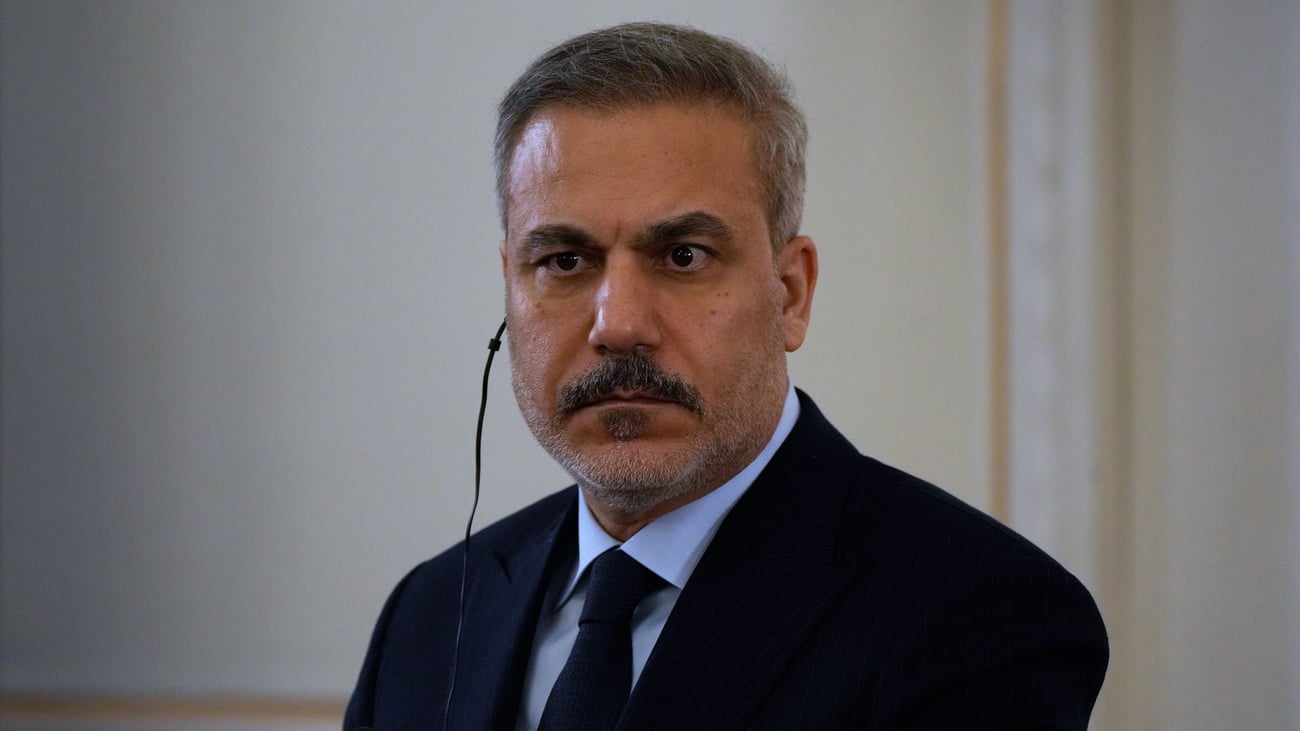
- Turkish Foreign Minister Hakan Fidan stated the pact is founded on principles of sovereignty and non-interference, and is open to other regional states, including Egypt.
- The alliance unites Turkey (NATO's second-largest military), Pakistan (the Islamic world's only nuclear-armed state), and Saudi Arabia (a leading Gulf power).
- Fidan also dismissed Israeli Prime Minister Benjamin Netanyahu's rhetoric, calling him a threat to global security, following Turkey's prior attempt to secure an arrest warrant for Netanyahu.
- The agreement emerges amidst regional tensions, including a U.S.-Iran conflict and Houthi attacks, and was announced as Israel signed a $3.5 billion defense deal with Greece.
Formation of a New Regional Alliance
Fidan further asserted that Netanyahu, his ideology, and those acting with him, represent a threat not only to Turkey but to global security as a whole, and must be held accountable by the international community.
The first ministerial gathering of the Turkey Mecca Joint Defense Agreement recently convened, bringing together top diplomatic and defense officials from Turkey, Pakistan, and Saudi Arabia. This significant new Middle East defense alliance commits its member states to mutual defense in the event any one of them faces an attack. Turkish Foreign Minister Hakan Fidan, speaking in Istanbul following the meeting held at an Ottoman-era palace, confirmed the pact's establishment and outlined its foundational principles.
This newly formed international mutual defense pact unites three strategically important nations. Turkey contributes NATO's second-largest military, while Pakistan stands as the Islamic world's sole nuclear-armed state. Saudi Arabia, a leading power in the Gulf region, completes the initial triumvirate. The inaugural meeting saw attendance from Pakistan's Foreign Minister Ishaq Dar, Saudi Foreign Minister Prince Faisal bin Farhan, alongside the defense ministers and military chiefs of staff from all three participating countries, underscoring the high-level commitment to this new regional security framework.
Stated Purpose and Potential Expansion
Foreign Minister Fidan emphasized that the Mecca Joint Defense Agreement purpose is not directed against any specific nation. Instead, he stated that the alliance is built upon fundamental international principles, including respect for state sovereignty, territorial integrity, and non-interference in internal affairs. Fidan reiterated that the pact remains open to other regional states willing to adhere to these core tenets, signaling a potential for broader expansion.
Regarding future membership, Fidan specifically addressed the possibility of Egypt joining the Turkey Pakistan Saudi Arabia defense initiative, stating it was "indeed possible." He clarified that consultations are currently underway to establish the necessary conditions, procedures, and standards for new members. Furthermore, a roadmap is being developed to guide the processes for states wishing to join the alliance, indicating a structured approach to its growth. This development unfolds against a backdrop of ongoing conflict between the U.S. and Iran, and regional attacks by Tehran-backed Houthi rebels, adding a layer of complexity to the geopolitical risk assessment Middle East.
Geopolitical Tensions and Regional Security Dynamics
The announcement of the Turkey Mecca Joint Defense Agreement occurred concurrently with other significant regional developments, highlighting the intricate geopolitical landscape. On the same Monday, Israel disclosed a nearly $3.5 billion (3 billion euro) agreement with Athens to establish the "Achilles Shield" aerial defense system for Greece. This simultaneous news underscores the dynamic and often intertwined nature of defense and security arrangements in the broader Middle East and Mediterranean.
Foreign Minister Hakan Fidan also addressed questions concerning Israel's increasingly assertive rhetoric towards Turkey. He dismissed Israeli Prime Minister Benjamin Netanyahu as "not someone to be taken seriously," attributing some of the rhetoric to the proximity of upcoming Israeli elections. Fidan further asserted that Netanyahu, his ideology, and those acting with him, represent a threat not only to Turkey but to global security as a whole, and must be held accountable by the international community. These strong remarks follow Turkey's earlier efforts to secure an international arrest warrant for Netanyahu, accusing him of "genocide" in connection with Israel's interception of a Gaza-bound aid flotilla, an event that previously triggered sharp diplomatic exchanges between the two nations.
Practical Implications
Lawyers and compliance officers advising clients with operations or investments in Turkey, Pakistan, Saudi Arabia, or the broader Middle East should monitor the evolution of the Mecca Joint Defense Agreement for potential impacts on regional stability, trade relations, and geopolitical risk, especially concerning future membership and its stated principles of non-interference.
Source
How does this affect you?
Get an AI analysis of this article grounded in your jurisdictions, practice areas, and any policy documents you've uploaded to Wansom.
Finish Reading the Full Story and the Expert Analysis.
Wansom is AI and can make mistakes.