
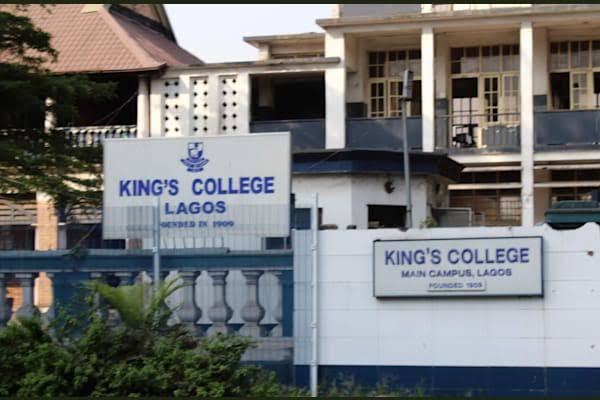
TUC Suspends King's College Concession Strike Nigeria
Summary
- The Trade Union Congress (TUC) has suspended its planned industrial action.
- The action was intended to shut down Federal Unity Colleges nationwide.
- The dispute stemmed from the approved Public-Private Partnership (PPP) concession of King's College, Lagos.
- This suspension marks a temporary de-escalation in a significant labor dispute.
- The underlying issues regarding public asset concessions in education remain to be fully resolved.
What Happened
For legal professionals advising government agencies or private entities engaged in Public-Private Partnerships (PPPs) in Nigeria, particularly within the education sector, this situation demands careful and continuous monitoring.
The Trade Union Congress (TUC) in Nigeria has announced the suspension of a significant industrial action. This decision effectively puts on hold a directive previously issued to its various affiliated unions, which would have resulted in the widespread shutdown of Federal Unity Colleges across the nation.
The planned industrial action was a direct response to the approved Public-Private Partnership (PPP) concession of King's College, Lagos, to the King's College Old Boys' Association (KCOBA). This move by the TUC signals a temporary de-escalation in a notable labor dispute, which centers on the management and potential privatization of public assets within Nigeria's crucial education sector.
Background to the Dispute
At the heart of the controversy lies the approved Public-Private Partnership (PPP) concession of King's College, Lagos, to the King's College Old Boys' Association (KCOBA), a move that has ignited considerable debate regarding the future of public-private partnership education in Nigeria. King's College stands as a venerable and historically significant institution among the country's Federal Unity Colleges.
The TUC's initial call for a nationwide industrial action underscored its profound opposition to the government's plans to transfer the management or operational control of such a pivotal public educational asset to private entities. This "King's College Lagos concession dispute" highlights broader concerns prevalent within the "Nigerian labour law education sector" concerning the privatization of public services. Such actions often raise questions about their potential impact on workers' rights, job security, and equitable access to affordable education for all citizens. The union's firm directive for its affiliates to shut down Federal Unity Colleges was a powerful demonstration of its resolve in the face of this "Federal Unity Colleges concession TUC" standoff.
Implications of the Suspension
The recent decision by the TUC to suspend its planned "Trade Union Congress industrial action Nigeria" over the King's College concession strike in Nigeria represents a temporary de-escalation of what had become a significant labor dispute. This development carries important implications for stakeholders involved in public asset management.
For legal professionals advising government agencies or private entities engaged in Public-Private Partnerships (PPPs) in Nigeria, particularly within the education sector, this situation demands careful and continuous monitoring. While the immediate threat of a widespread strike has receded, it is crucial to acknowledge that the fundamental issues which prompted the TUC's initial strong opposition to the concession remain unresolved.
Furthermore, it is essential to recognize that this suspension may be conditional, suggesting that the possibility of future industrial action by the TUC or its affiliates has not been entirely eliminated. The nature of any ongoing dialogue or negotiations that led to this suspension will be instrumental in determining the long-term stability of this agreement and shaping the future landscape of public asset concessions across the country.
Practical Implications
This suspension indicates a temporary de-escalation of a significant labor dispute concerning public asset concessions. Lawyers advising government agencies or private entities on Public-Private Partnerships (PPPs) in Nigeria, particularly in the education sector, should monitor the underlying issues that led to the TUC's initial threat, as the suspension may be conditional and future industrial action remains a possibility.
Source
How does this affect you?
Get an AI analysis of this article grounded in your jurisdictions, practice areas, and any policy documents you've uploaded to Wansom.
Finish Reading the Full Story and the Expert Analysis.
Get the latest legal & regulatory intelligence in Nigeria
Wansom is AI and can make mistakes.