
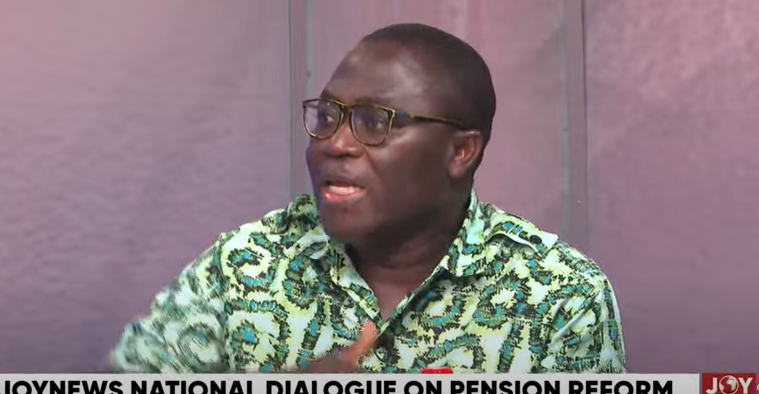
TUC Dr Otoo: Ghana IPP Contracts Fuel Energy Crisis, Slams IMF ECG Assessment
Summary
- Dr. Kwabena Nyarko Otoo of the TUC attributes part of Ghana's energy sector problems to contractual arrangements with Independent Power Producers.
- He questioned the government's reliance on an IMF assessment of ECG, citing the IMF's push for privatization and lack of consultation with workers.
- Organized labor, including the TUC, opposes private-sector participation in ECG, contrasting with the government's view on necessary reforms.
- Dr. Otoo argues that discussions about energy sector difficulties must examine the contractual framework of power generation, not just ECG's performance.
- He highlights that IPP agreements contribute significantly to the sector's financial challenges and create substantial state obligations.
Scrutiny on Ghana's Energy Sector Contracts
He maintained that focusing solely on ECG risks overlooking other fundamental structural factors, most notably the terms of Ghana power purchase agreements with IPPs, which have imposed considerable financial burdens on the state.
Dr. Kwabena Nyarko Otoo, who serves as the Deputy Secretary General for the Trades Union Congress (TUC), has pointed to the contractual arrangements with Independent Power Producers (IPPs) as a significant contributor to Ghana's persistent energy sector challenges. His remarks underscore a growing concern within organized labor regarding the financial sustainability and operational efficiency of the nation's power generation framework, particularly the TUC Dr Otoo Ghana IPP contracts.
Dr. Otoo also voiced strong reservations about the government's decision to rely on an assessment of the Electricity Company of Ghana (ECG) conducted by the International Monetary Fund (IMF). This critique comes at a time when organized labor groups, including the Trades Union Congress Ghana, are actively opposing proposals that advocate for increased private-sector involvement in the state-owned utility company, highlighting a fundamental disagreement over the direction of Ghana's energy sector reforms.
Labor's Opposition to Privatization Efforts
The TUC Deputy Secretary General expressed his bewilderment and concern over the government's choice to commission the IMF for the ECG assessment. He characterized this move as both “difficult and strange,” given the IMF's consistent advocacy for reforms that typically involve greater private-sector participation in state-owned entities. Dr. Otoo explicitly stated his belief that the IMF's agenda is to see all public state entities privatized, which directly conflicts with the stance of organized labor.
Furthermore, Dr. Otoo questioned the methodology of the ECG IMF assessment Ghana, noting that it proceeded without any consultation with ECG workers or the TUC. He emphasized that the perspectives of workers and their representatives are crucial, as they possess first-hand knowledge of the operational challenges confronting the company. This lack of engagement, he argued, undermines the credibility and comprehensiveness of the assessment, especially when the IMF is perceived to be pushing for privatization, a move vehemently opposed by the TUC and other organized labor groups.
Financial Burden of Power Purchase Agreements
Dr. Otoo contended that any meaningful discussion about the difficulties facing Ghana’s energy sector must extend beyond merely evaluating ECG’s performance. He stressed the imperative to scrutinize the broader contractual framework governing power generation, particularly the structure of agreements with Independent Power Producers Ghana. These power purchase agreements (PPAs), he asserted, are a key factor contributing to the sector’s substantial financial challenges, creating significant financial obligations for the state.
While the government maintains that reforms are essential to address the persistent inefficiencies and financial losses plaguing the Ghana energy sector challenges, Dr. Otoo insisted that a holistic approach is necessary. He argued that focusing solely on ECG risks overlooking other fundamental structural factors, most notably the terms of Ghana power purchase agreements with IPPs, which have imposed considerable financial burdens on the state. He maintained that any proposed reforms must integrate the perspectives of workers and organized labor, alongside a thorough examination of the wider contractual and financial arrangements that have shaped the nation's energy landscape.
Practical Implications
Lawyers advising Independent Power Producers (IPPs) or energy sector clients in Ghana should monitor potential government reviews or renegotiations of existing power purchase agreements (PPAs) and broader energy sector reforms, especially concerning financial obligations and privatization efforts. This signals increased scrutiny on contractual terms and potential policy shifts.
Source
How does this affect you?
Get an AI analysis of this article grounded in your jurisdictions, practice areas, and any policy documents you've uploaded to Wansom.
Finish Reading the Full Story and the Expert Analysis.
Wansom is AI and can make mistakes.