
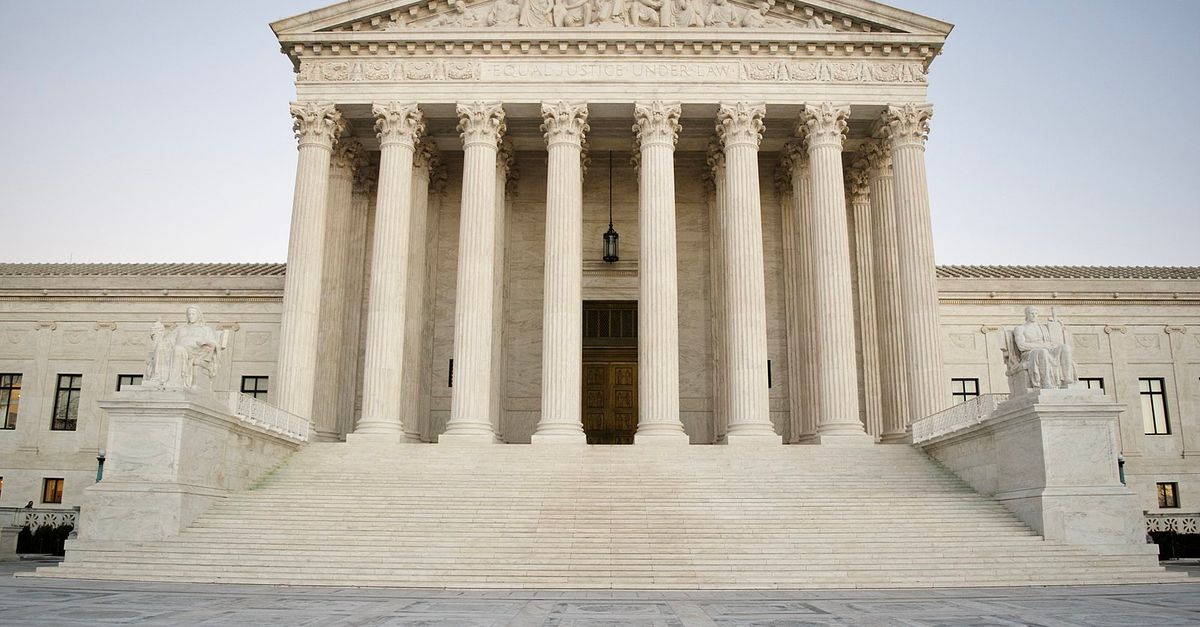
US Supreme Court: Trump Administration Solicitor General's Litigation Strategy
Summary
- Trump Administration Solicitor General D. John Sauer has made several strategic decisions about how to argue cases before the Supreme Court.
- Sauer's emphasis on presenting conservative arguments has led to some interesting choices about which cases to take and how to frame them.
- The solicitor general's use of 'shadow docket' proceedings can be particularly effective in advancing conservative goals.
- The influence of strategic litigation choices on Supreme Court outcomes is a critical issue for lawyers and compliance officers to consider.
- Examining Sauer's approach can provide valuable insights into the dynamics of the court and the ways in which lawyers and compliance officers can navigate its complexities.
What Happened
One key aspect of Sauer's approach has been his emphasis on presenting conservative arguments in a way that resonates with the court's existing ideology.
Over the last two terms, Trump Administration Solicitor General D. John Sauer has made several strategic decisions about how to argue cases before the Supreme Court. These choices have been notable given that they were made by a conservative solicitor general presenting arguments to a conservative court. While it is impossible to determine with precision the impact of litigation strategy on Supreme Court outcomes, these decisions are worth examining nonetheless.
One key aspect of Sauer's approach has been his emphasis on presenting conservative arguments in a way that resonates with the court's existing ideology. This has led to some interesting choices about which cases to take and how to frame them. For instance, Sauer has chosen to focus on issues related to federalism and states' rights, areas where the court has shown a willingness to expand its conservative leanings.
Another notable aspect of Sauer's strategy is his use of 'shadow docket' proceedings, which allow the court to decide cases without full briefing or oral argument. This approach can be particularly effective in advancing conservative goals, as it allows the court to issue decisions that may not have been possible through more traditional means.
Legal Context
The position of solicitor general has a long history, dating back to 1870 when Congress created the office with the mandate that its holder be 'learned in the law.' Today, the solicitor general is responsible for handling the federal government's cases in the Supreme Court, including defending positions taken by the executive branch and acts of Congress. While the solicitor general may occasionally decline to defend certain laws or policies, their primary role is to advocate on behalf of the federal government.
The Supreme Court's conservative leanings have been evident in recent years, with decisions that have expanded individual rights and limited government authority. In this context, Sauer's strategic choices as solicitor general take on added significance, as they may be influencing the court's outcomes in ways that are not immediately apparent.
It is worth noting that the role of litigation strategy in shaping Supreme Court outcomes is a complex issue, with many variables at play. While it is impossible to evaluate the precise impact of Sauer's decisions, examining his approach can provide valuable insights into the dynamics of the court and the ways in which lawyers and compliance officers can navigate its complexities.
Why It Matters
The influence of strategic litigation choices on Supreme Court outcomes is a critical issue for lawyers and compliance officers to consider. When made by a conservative solicitor general before a conservative court, these decisions can have significant implications for the development of law and policy. By examining Sauer's approach and the ways in which he has chosen to argue cases, we can gain a deeper understanding of the complex interplay between litigation strategy and Supreme Court outcomes.
This is particularly important given the current composition of the court, with its conservative leanings and willingness to expand individual rights. As lawyers and compliance officers navigate this landscape, they must be aware of the potential influence of strategic litigation choices on the development of law and policy. By doing so, they can better position themselves to achieve their goals and avoid unintended consequences.
Ultimately, the impact of Sauer's decisions will only become clear in hindsight, as the court continues to issue decisions that reflect its conservative leanings. However, by examining his approach and the ways in which he has chosen to argue cases, we can gain valuable insights into the dynamics of the court and the ways in which lawyers and compliance officers can navigate its complexities.
Practical Implications
Lawyers and compliance officers should be aware of the potential influence of strategic litigation choices on Supreme Court outcomes, particularly when made by a conservative solicitor general before a conservative court.
Source
How does this affect you?
Get an AI analysis of this article grounded in your jurisdictions, practice areas, and any policy documents you've uploaded to Wansom.
Wansom is AI and can make mistakes.