
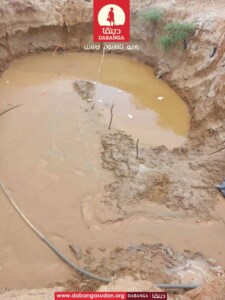
Toxic Water Kills 62 Livestock at South Kordofan Gold Mine; Complaint Filed
Sixty-two sheep and goats died in Talodi, South Kordofan, after drinking water from a gold-processing pond at the Mridan mine, prompting criticism from the Human Rights and Development Organisation (HUDO Centre) regarding authorities' inaction. This incident, which occurred on November 7, involved livestock belonging to Ismail Hussein Hamed, who filed a formal complaint with local police and the Sudanese Mineral Resources Company, yet no decisive action was reportedly taken by the authorities.
This event carries significant legal and environmental implications, highlighting severe deficiencies in regulatory oversight and corporate responsibility within Sudan's mining sector. The death of livestock directly impacts the livelihoods and food security of local communities, while the alleged indiscriminate use of toxic chemicals without proper environmental safeguards poses substantial long-term risks to human health and the ecosystem. The reported failure of the Talodi police and the Sudanese Mineral Resources Company to act decisively after being notified raises serious concerns about governance, enforcement mechanisms, and access to justice for affected individuals and communities.
The legal context for this incident involves Sudanese environmental protection laws, mining regulations governing chemical use, waste disposal, and site rehabilitation, as well as potential laws related to corporate liability and negligence. The fact that the Sudanese Mineral Resources Company had previously suspended and fined the pond operator in September 2026 (sic, likely 2023 or 2024 given the context of other dates in the excerpt) for non-compliance indicates the existence of regulatory frameworks, but their apparent failure to ensure the pond's safety after taking it over points to critical enforcement gaps. The HUDO Centre's involvement underscores the vital role of civil society organisations in advocating for environmental justice and human rights, particularly in areas where state oversight is weak.
Key parties in this matter include Ismail Hussein Hamed, the owner of the deceased livestock; the Mridan mine; the Sudanese Mineral Resources Company; the Talodi police; and the Human Rights and Development Organisation (HUDO Centre). The unnamed pond operator, who was previously fined and whose activities were suspended, is also a central figure. The practitioner takeaway is that legal professionals advising mining companies in Sudan must ensure rigorous compliance with all environmental regulations, including those pertaining to chemical handling, waste management, and site closure or rehabilitation. They should also counsel clients on corporate social responsibility, community engagement, and potential liability for environmental damage and harm to local livelihoods.
For attorneys representing affected communities or environmental advocacy groups, this case highlights avenues for pursuing administrative complaints, civil claims for damages, and advocating for stronger regulatory enforcement and accountability from both state entities and private operators. The HUDO Centre's mention of similar past incidents in 2025 (sic, likely 2023 or 2024) suggests a systemic issue requiring comprehensive legal and policy reform to prevent future environmental disasters and protect vulnerable communities. The outcome of any formal legal proceedings or investigations into this specific incident is not yet reported.
How does this affect you?
Get an AI analysis of this article grounded in your jurisdictions, practice areas, and any policy documents you've uploaded to Wansom.
Finish Reading the Full Story and the Expert Analysis.
Get the latest legal & regulatory intelligence in Sudan
Wansom is AI and can make mistakes.