
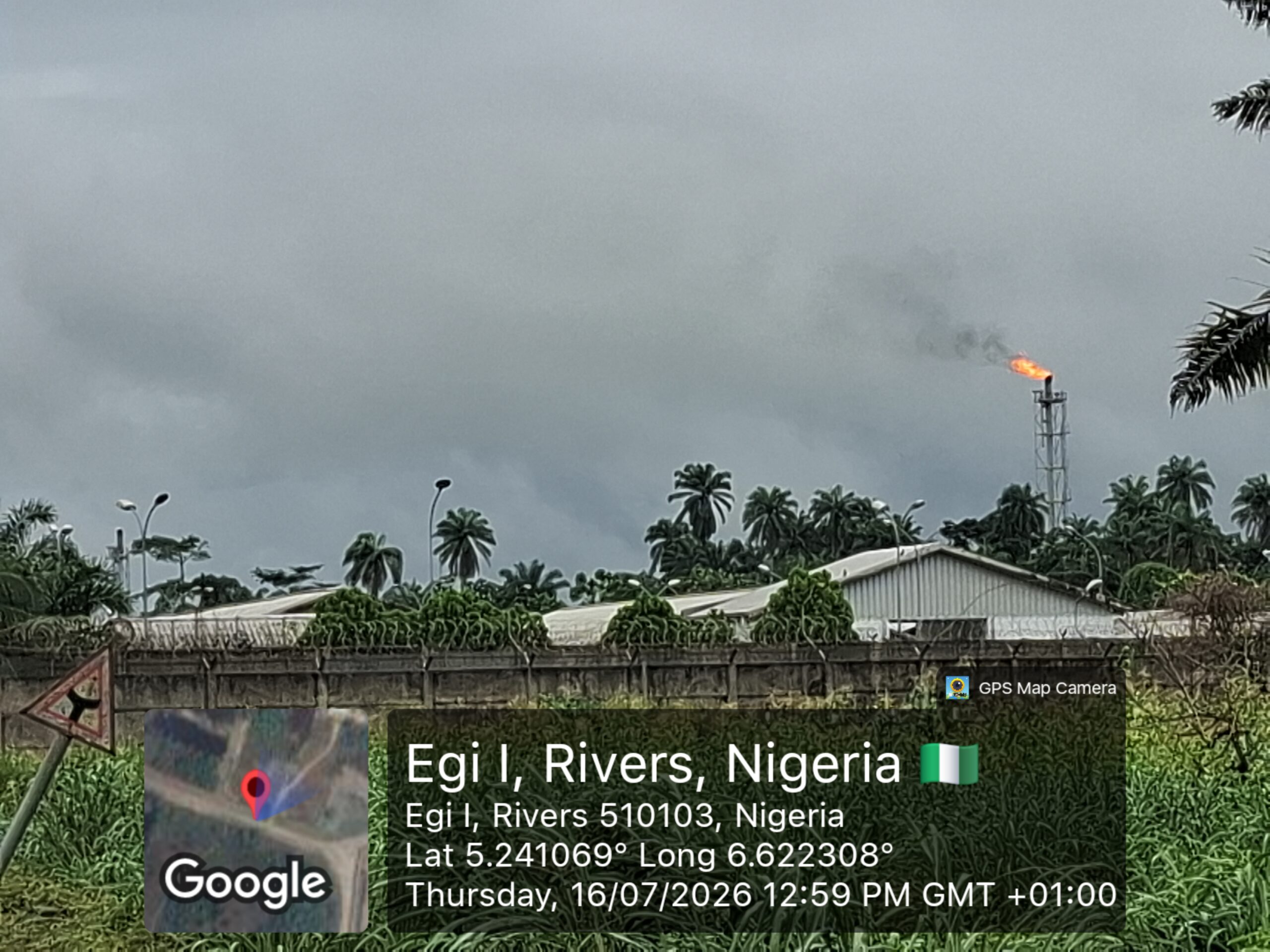
TotalEnergies Nigeria: Gas Flaring Investigation Contradicts Zero Flaring Claim
Summary
- An investigation challenges TotalEnergies' declaration of ending routine gas flaring in Nigeria.
- Satellite data revealed persistent flare activity around TotalEnergies' OML 58 and OML 130 assets.
- This finding indicates a significant gap between the company's public environmental claims and verifiable evidence.
- The discrepancy highlights heightened scrutiny on environmental compliance in the Nigerian oil and gas sector.
- Companies face risks of reputational damage, regulatory penalties, and litigation if environmental claims do not align with operational data.
Investigation Challenges TotalEnergies' Gas Flaring Claims
This investigation highlights the risk of reputational damage, potential regulatory penalties, and litigation for companies whose public environmental commitments do not align with verifiable operational data, underscoring the critical need for robust internal monitoring and transparent reporting.
A recent investigation has brought into question TotalEnergies' public assertions regarding its gas flaring practices within Nigeria. The energy company had previously stated that it had successfully ceased all routine gas flaring across its operational sites in the country. However, independent analysis, specifically leveraging satellite data, has uncovered a consistent pattern of flare activity, directly contradicting the company's "Nigeria zero routine flaring claim."
The satellite observations indicate ongoing flaring in the vicinity of TotalEnergies' key operational assets. Persistent flare activity was specifically recorded around both the OML 58 and OML 130 concessions. This independently verifiable evidence reveals a significant divergence from TotalEnergies' official declarations, highlighting a troubling gap between the company's stated environmental commitments and the actual operational realities on the ground. The "TotalEnergies Nigeria gas flaring investigation" by PREMIUM TIMES was instrumental in bringing these discrepancies to public attention, emphasizing the critical role of external scrutiny in validating corporate environmental claims.
Regulatory Context and Environmental Compliance
The findings of the "TotalEnergies Nigeria gas flaring investigation" underscore the increasing global and local imperative for oil and gas companies to adhere to stringent environmental standards, particularly concerning gas flaring. "Gas flaring regulations Nigeria" have been established to curb the practice of burning off associated gas, a process that significantly contributes to greenhouse gas emissions and localized air pollution. The industry as a whole has been moving towards a "zero routine flaring" objective, with numerous international and national oil companies publicly committing to this ambitious goal.
This investigation highlights the paramount importance of robust "environmental compliance Nigeria oil gas" operations. Companies operating in the region are expected not only to conform to existing regulations but also to ensure their public environmental declarations are meticulously supported by verifiable operational data. The observed discrepancy between TotalEnergies' claim and the satellite evidence suggests a potential challenge in meeting these expectations, drawing attention to the necessity for transparent reporting and rigorous internal monitoring mechanisms to ensure alignment with stated environmental objectives.
Implications for Corporate Accountability
The implications of the "TotalEnergies Nigeria gas flaring investigation" extend beyond mere operational discrepancies, touching upon fundamental aspects of corporate accountability and public trust. When a company's "Nigeria zero routine flaring claim" is challenged by independently verifiable evidence, it can lead to significant reputational damage. Stakeholders, including investors, regulatory bodies, and environmental advocacy groups, are increasingly scrutinizing the environmental performance of energy companies with greater intensity.
This investigation highlights the risk of reputational damage, potential regulatory penalties, and litigation for companies whose public environmental commitments do not align with verifiable operational data, underscoring the critical need for robust internal monitoring and transparent reporting. Furthermore, such discrepancies could expose operators to legal action from affected communities or environmental organizations. The persistent "TotalEnergies OML 58 flaring" and "TotalEnergies OML 130 flaring" activity, as indicated by satellite data, serves as a stark reminder for legal and compliance officers to ensure that public environmental commitments are meticulously aligned with actual operational data, thereby mitigating risks associated with misrepresentation or non-compliance in the sensitive realm of "environmental compliance Nigeria oil gas."
Practical Implications
Lawyers and compliance officers should note the heightened scrutiny on environmental claims by oil and gas operators in Nigeria. This investigation highlights the risk of reputational damage, regulatory penalties, and potential litigation for companies whose public environmental commitments do not align with verifiable operational data, necessitating robust internal monitoring and transparent reporting.
Source
How does this affect you?
Get an AI analysis of this article grounded in your jurisdictions, practice areas, and any policy documents you've uploaded to Wansom.
Finish Reading the Full Story and the Expert Analysis.
Get the latest legal & regulatory intelligence in Nigeria
Wansom is AI and can make mistakes.