
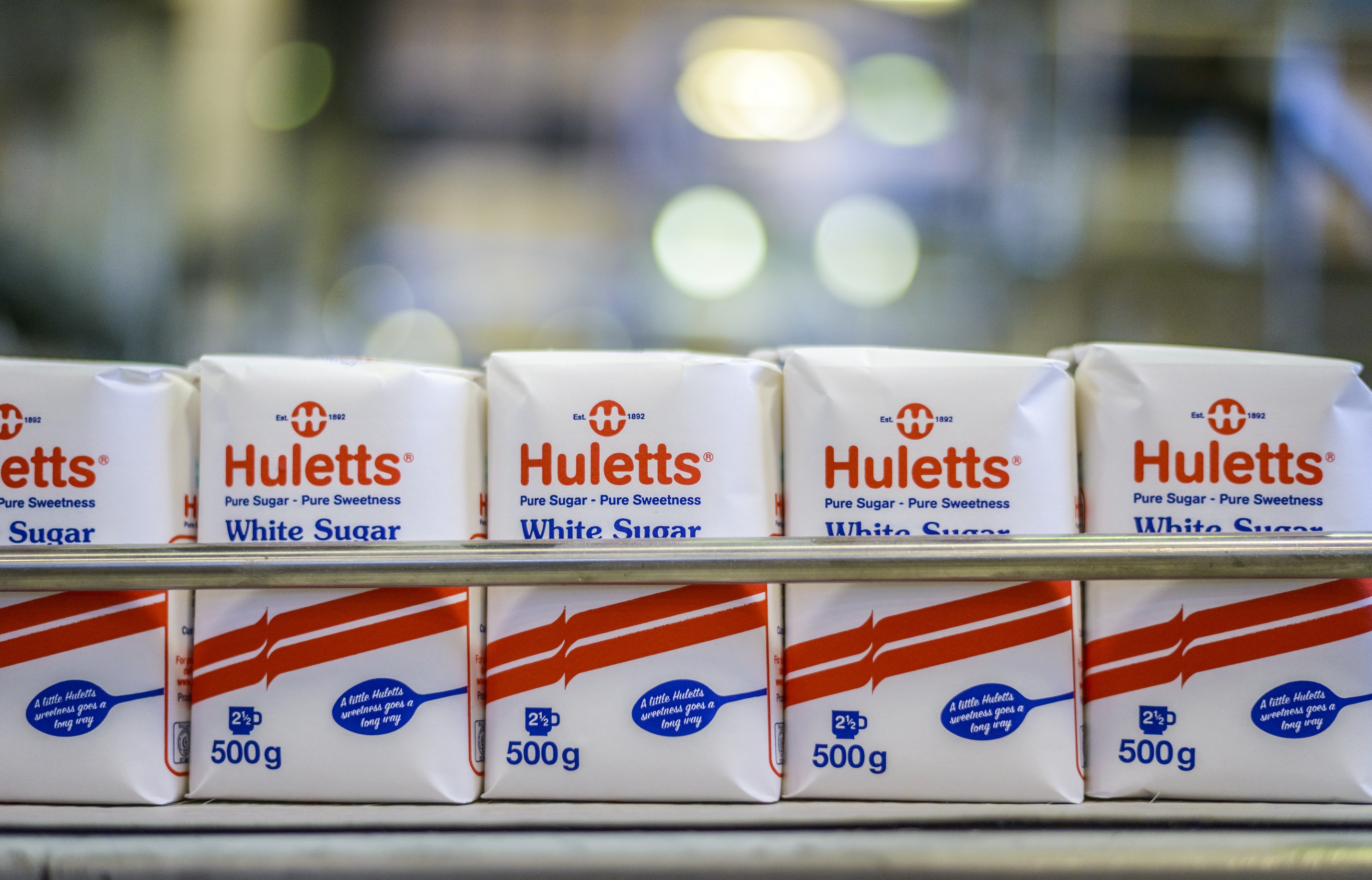
Tongaat Hulett: Wind-Down Impacts 18,000 Growers, IDC Facility Fails
Tongaat Hulett, a major sugar and property group in South Africa, commenced the wind-down of its SA sugar operations in KwaZulu-Natal, instructing 18,000 growers to stop delivering cane after a R350 million bridging facility from the Industrial Development Corporation (IDC) failed to materialise, as reported by Moneyweb.
This development has profound implications for the South African sugar industry, particularly in KwaZulu-Natal, threatening the livelihoods of 18,000 growers and potentially leading to the destruction of tens of thousands of direct and indirect jobs if Tongaat Hulett enters liquidation. The situation highlights the fragility of agricultural supply chains and the critical role of financial institutions and government intervention in distressed sectors. The shock announcement, coming after assurances of payment, also raises concerns about corporate communication and transparency during business rescue processes.
The situation involves ongoing business rescue proceedings under the Companies Act 71 of 2008, which aims to rehabilitate financially distressed companies. The failure of the IDC bridging facility points to potential issues with corporate finance, due diligence, and the terms of such facilities, which are crucial for the success of business rescue plans. The involvement of SA Canegrowers and trade union UASA underscores the labour and agricultural policy dimensions, potentially engaging the Department of Trade, Industry and Competition (DTIC) and other regulatory bodies concerned with economic stability and job preservation. Should liquidation occur, the insolvency provisions of the Companies Act would be triggered, impacting creditors and employees.
Key parties involved include Tongaat Hulett (the company in business rescue), SA Canegrowers (representing the affected growers), UASA (the trade union), the Industrial Development Corporation (IDC, the potential financier), and the Department of Trade, Industry and Competition (DTIC). The business rescue practitioners overseeing Tongaat Hulett's operations are implicitly central to these developments, as are the 18,000 sugarcane growers in KwaZulu-Natal who supply cane to Tongaat Hulett's mills.
Attorneys advising clients in the agricultural sector, particularly those involved in supply chains with large anchor companies, should closely monitor the progress of Tongaat Hulett's business rescue and any potential liquidation proceedings. Practitioners should assess the contractual implications for growers, suppliers, and creditors, including potential claims in insolvency. Furthermore, legal professionals should advise on strategies for mitigating risks associated with single-buyer dependencies and explore avenues for government support or alternative market access for affected growers. The outcome of the engagements between SA Canegrowers, the IDC, and DTIC will be crucial in determining the future landscape for sugar cane supply in the region and may set precedents for handling similar large-scale agricultural distress.
How does this affect you?
Get an AI analysis of this article grounded in your jurisdictions, practice areas, and any policy documents you've uploaded to Wansom.
Finish Reading the Full Story and the Expert Analysis.
Get the latest legal & regulatory intelligence in South Africa
Wansom is AI and can make mistakes.