
Tomboronkoto Mining: Environmental Impact Studies Validated
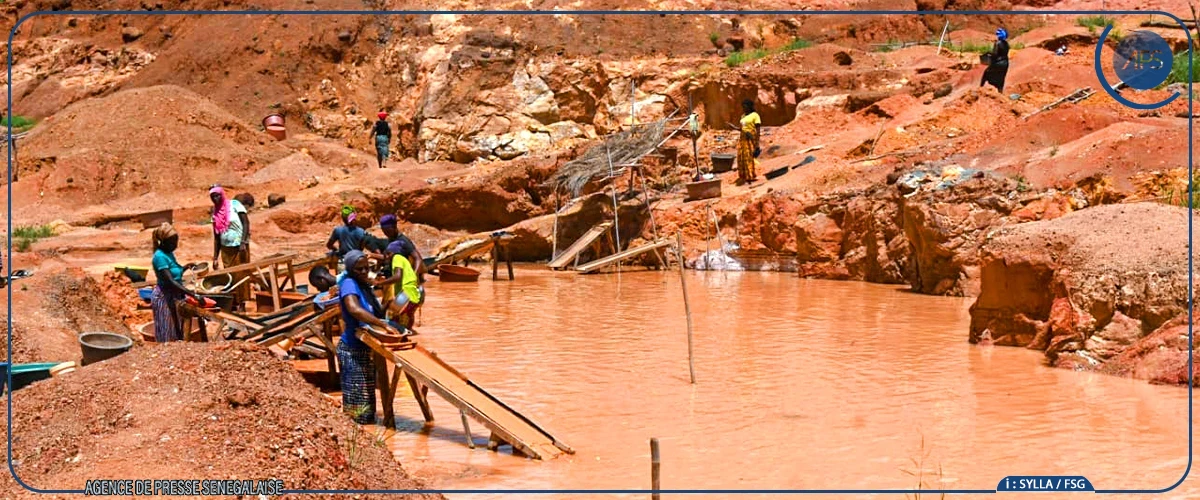
In Senegal, the Tomboronkoto gold project, located in the Kédougou region, aims to extend mining activities in the area, following the validation of its Environmental and Social Impact Studies (EIES) through public hearings held in March 2025.
This development signifies a critical progression for a major mining project, carrying substantial implications for environmental law, community engagement, and economic development in Senegal. The validation of EIES is a pivotal regulatory milestone, indicating that the project has, at least at the planning stage, met specific environmental and social safeguards mandated by national law. For legal practitioners, this highlights the ongoing importance of robust environmental and social due diligence in large-scale industrial projects and the stringent legal requirements for public consultation and stakeholder engagement throughout the project lifecycle.
Senegal's mining code and comprehensive environmental protection laws form the core legal context for such projects. The requirement for Environmental and Social Impact Studies (EIES) and subsequent public hearings is enshrined in national environmental legislation, typically overseen by the Ministry of Environment and Sustainable Development and the Ministry of Mines. These studies are designed to assess potential environmental and social impacts and propose mitigation measures, forming an indispensable part of the permitting process. The validation of the EIES is a prerequisite for obtaining various operational permits, reflecting the legal framework's intent to balance economic development with environmental protection and the rights of affected communities.
The primary entity involved is the developer of the Tomboronkoto gold project. The validation process, particularly through public hearings, indicates engagement with local communities and potentially civil society organizations. Key governmental bodies involved would include the Ministry of Mines and Geology, the Ministry of Environment and Sustainable Development, and local administrative authorities within the Kédougou region, all playing roles in regulatory oversight and approval. The Agence de Presse Sénégalaise (APS) served as the source reporting this development.
Attorneys advising mining companies or communities potentially affected by mining operations in Senegal should pay close attention to the specifics of the validated EIES for the Tomboronkoto project, as it may set precedents for future large-scale developments. A thorough understanding of the legal obligations arising from EIES, particularly concerning environmental management plans, social commitments, and community development agreements, is crucial. Businesses in the mining sector must ensure their projects rigorously comply with EIES requirements and engage effectively and transparently with all stakeholders to mitigate legal, operational, and reputational risks throughout the project's lifespan.
How does this affect you?
Get an AI analysis of this article grounded in your jurisdictions, practice areas, and any policy documents you've uploaded to Wansom.
Finish Reading the Full Story and the Expert Analysis.
Get the latest legal & regulatory intelligence in Senegal
Wansom is AI and can make mistakes.