
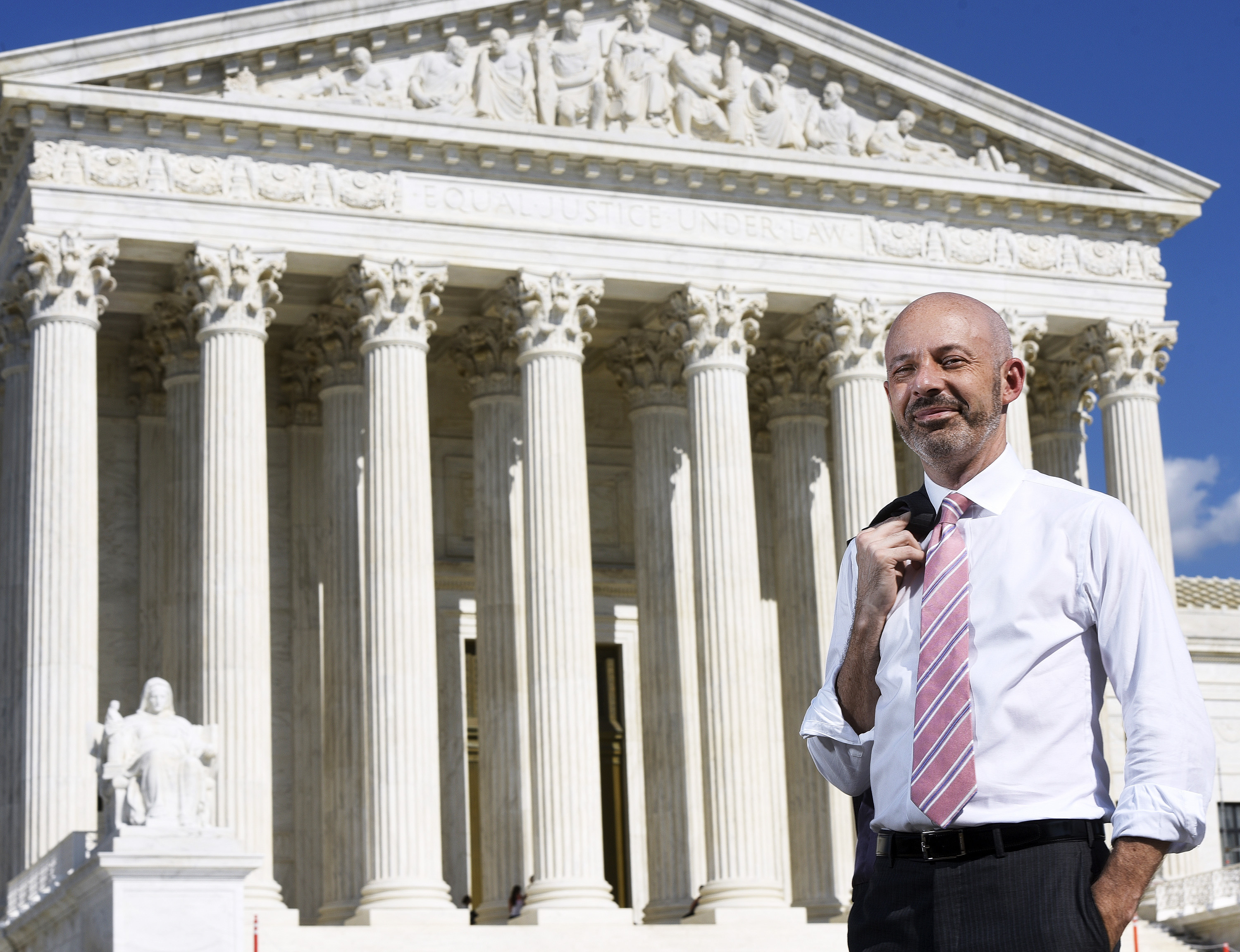
Tom Goldstein: SCOTUSblog Founder Appeals Due Process Jury Instructions
Summary
- Tom Goldstein, co-founder of SCOTUSblog, has filed an appeal seeking his release from federal custody.
- The appeal argues that Goldstein's trial was fundamentally flawed due to erroneous jury instructions that violated his due process rights.
- Goldstein is currently serving a six-year prison sentence for tax evasion and making false statements on loan applications.
- The government had requested an eight-year sentence and $3.1 million in restitution.
- The appeal may set a precedent for future cases where due process was allegedly violated.
Tom Goldstein's Appeal Seeks Release from Incarceration
According to the motion, these instructions 'crippled' Goldstein's defense and prevented him from effectively arguing his innocence.
Lawyers for Tom Goldstein, co-founder of SCOTUSblog and a seasoned attorney who has argued numerous cases before the U.S. Supreme Court, have filed an appeal seeking his release from federal custody. The appeal, which was filed in late July, argues that Goldstein's trial was fundamentally flawed due to erroneous jury instructions that violated his due process rights. According to the motion, these instructions 'crippled' Goldstein's defense and prevented him from effectively arguing his innocence.
Goldstein is currently being held at the Federal Correctional Institution Petersburg in Hopewell, Virginia, after being sentenced to six years in prison in July for tax evasion and making false statements on loan applications. The government had requested an eight-year sentence and $3.1 million in restitution.
Relevant Legal Context: Due Process and Jury Instructions
The appeal centers around the issue of due process in federal criminal trials, specifically regarding jury instructions. According to the motion, the trial judge erred by changing the relevant jury instructions after closing argument, which deprived Goldstein's defense team of an opportunity to argue his innocence under the instructions actually given to the jury. This alleged error is particularly significant because it may set a precedent for future cases where due process was allegedly violated.
The motion also argues that the jury instructions were erroneous in inviting jurors to convict Goldstein of accessory liability without specifying the elements required by federal statute. This omission, according to the appeal, further compromised Goldstein's due process rights and contributed to his conviction.
Why It Matters: Potential Precedent for Future Cases
The outcome of this appeal has significant implications for future cases where due process was allegedly violated. If the court finds that the trial judge erred in changing the jury instructions, it could set a precedent for defendants to challenge similar errors in their own trials. This is particularly relevant for attorneys who may be able to cite this case as a basis for arguing that their clients' due process rights were violated.
The appeal also highlights the importance of accurate and clear jury instructions in ensuring that defendants receive a fair trial. As Goldstein's defense team argues, 'erroneous' jury instructions can have far-reaching consequences, including the conviction of innocent individuals.
Practical Implications
Lawyers should watch for potential precedent to cite in future cases where due process was allegedly violated, particularly if the defendant's defense was 'crippled' by erroneous jury instructions.
Source
How does this affect you?
Get an AI analysis of this article grounded in your jurisdictions, practice areas, and any policy documents you've uploaded to Wansom.
Wansom is AI and can make mistakes.