
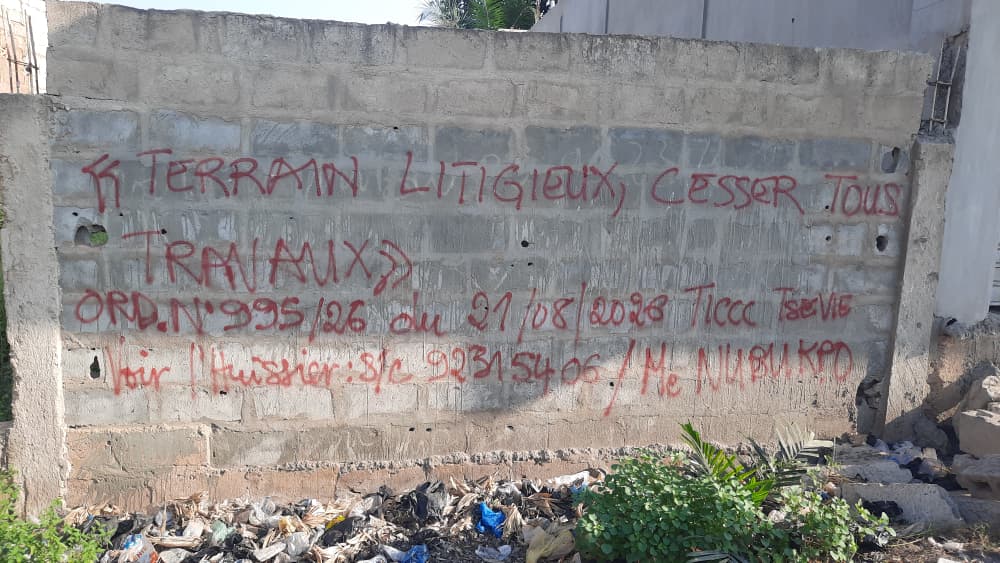
Togo: Yogon Residents Allege Land Rights Violations in Dispute
In Togo, residents and land purchasers in Yogon Zongo are currently embroiled in a significant land dispute, alleging that their long-established land rights are being challenged by conflicting community claims, leading to unauthorized construction and potential dispossession after decades of occupation. This complex situation involves numerous individuals, such as Ibrahim Garba, whose family claims over 60 years of peaceful occupation after being settled by the Assignon community, and Aladji Salami, who purchased his parcel approximately 26 years ago and now witnesses his own construction materials being used for unauthorized fencing on the contested land. The core of the conflict lies between the Assignon and Woanyako communities, with affected parties reporting contests, alleged sales without their consent, and a general undermining of their property rights. Despite efforts to seek redress from the Tribunal de Tsévié, the gendarmerie, and local authorities, the reported unauthorized works continue, and the ultimate resolution or outcome of this specific matter is not yet reported in the excerpt.
This ongoing land dispute carries substantial legal significance for practitioners, businesses, and the public in Togo, highlighting the persistent challenges in securing and enforcing property rights, particularly in areas where customary land tenure intersects with modern land acquisition. The situation underscores the inherent risks associated with land transactions that may lack clear, undisputed titles or formal registration, exposing purchasers and long-term occupants to potential dispossession and protracted legal battles. For businesses, especially those involved in real estate development or agricultural investments, such conflicts can lead to significant financial losses, project delays, and reputational damage, emphasizing the critical need for robust due diligence and risk assessment in land acquisition processes. Furthermore, the inability of local authorities and judicial bodies to swiftly resolve these disputes can erode public trust in the legal system and potentially fuel social unrest.
The legal context of this dispute is rooted in Togo's dual system of land law, which historically recognized customary land rights alongside statutory provisions. While the Togolese Land Code (Code Foncier et Domanial) aims to modernize land administration, formalize property rights through registration, and provide a clear framework for land ownership, its implementation often faces complexities when confronted with long-standing customary claims, historical occupations, and inter-community disputes. The involvement of the Tribunal de Tsévié indicates that the matter has entered the formal judicial system, which is tasked with interpreting and applying the Land Code and other relevant statutes to resolve property disputes. However, the excerpt suggests that even judicial intervention has not yet brought a definitive end to the unauthorized activities, pointing to potential enforcement challenges or the intricate nature of the underlying claims, which may involve historical agreements, traditional boundaries, and competing customary entitlements.
Key parties in this unfolding situation include the two primary disputing communities, Assignon and Woanyako, represented by individuals like Kodjo Assignon for the former. The affected individuals, such as Ibrahim Garba and Aladji Salami, represent the numerous occupants and purchasers whose rights are being challenged. State institutions involved in attempts at resolution include the Tribunal de Tsévié, which serves as a court of first instance for civil and land matters, the gendarmerie, responsible for maintaining public order, and various local authorities. For practitioners, it is crucial to recognize that land transactions in Togo, particularly in peri-urban or rural areas, necessitate exhaustive due diligence beyond mere title searches. Attorneys and businesses should meticulously investigate the historical context of land ownership, engage with all relevant community leaders and traditional authorities, and verify the absence of competing customary claims. Monitoring the progression and eventual resolution of this case will offer valuable insights into how Togolese courts navigate the complexities of customary versus statutory land rights, and the effectiveness of enforcement mechanisms in such deeply entrenched disputes. Proactive formalization of land rights through registration remains the most robust protection against such challenges.
How does this affect you?
Get an AI analysis of this article grounded in your jurisdictions, practice areas, and any policy documents you've uploaded to Wansom.
Finish Reading the Full Story and the Expert Analysis.
Get the latest legal & regulatory intelligence in Togo
Wansom is AI and can make mistakes.