
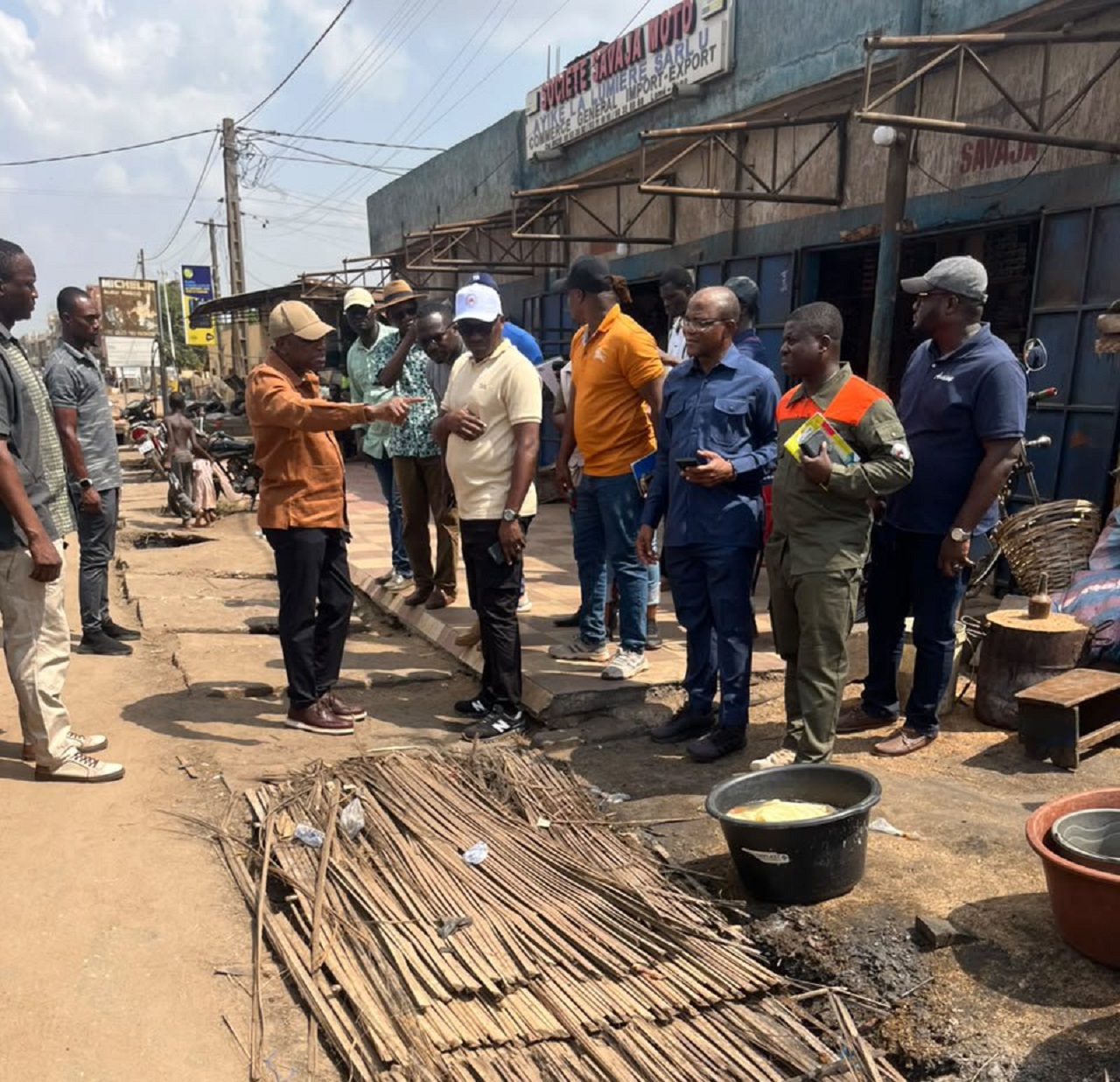
Togo Septic Tank Gutter Sanctions: New Measures Combat Illegal Drainage
Summary
- The Togolese government announced new repressive measures against illegal septic tank connections to gutters.
- These sanctions are part of an effort to combat flooding in Grand Lomé.
- The measures target behaviors that hinder the proper functioning of sanitation infrastructure.
- Property owners and developers in Grand Lomé face penalties for non-compliance with wastewater regulations.
Government Takes Action Against Illegal Connections
The introduction of these Togo septic tank gutter sanctions carries significant implications for urban development and public health within the Grand Lomé area.
The Togolese government has recently unveiled a series of stringent measures aimed at curbing practices that undermine the efficacy of the nation's sanitation infrastructure. These new directives specifically target the unauthorized connection of septic tanks directly into public gutters, a widespread issue contributing to urban challenges. The announcement underscores a renewed commitment to maintaining functional public works and ensuring environmental health within the Grand Lomé area, where such illicit connections have become a significant concern.
This initiative forms a critical component of a broader strategy to intensify efforts against recurrent flooding, particularly in the capital region. By addressing the root causes of compromised drainage systems, authorities seek to enhance the resilience of urban areas to heavy rainfall and improve overall public hygiene. The repressive measures signal a clear shift towards stricter enforcement of existing, or newly reinforced, Togo sanitation regulations concerning wastewater disposal, aiming to protect vital public assets.
Reinforcing Sanitation Regulations in Grand Lomé
The newly declared repressive measures are a direct response to observed behaviors that impede the proper operation of essential sanitation facilities across Grand Lomé. These behaviors, primarily the illicit discharge from septic tanks into street gutters, contribute significantly to blockages and overflows, exacerbating flood risks during the rainy season and causing damage to infrastructure. The government's focus is squarely on protecting the integrity and functionality of the public drainage network, which is crucial for urban resilience.
The implementation of these measures means that property owners and developers engaging in illegal septic tank drainage Togo will face penalties. This move is designed to compel adherence to established wastewater management protocols, ensuring that all waste is processed through appropriate channels rather than being diverted into surface water systems. The emphasis is on preventing further damage to public infrastructure and safeguarding urban environments from pollution, thereby improving the overall urban living conditions.
Broader Implications for Urban Health and Compliance
The introduction of these Togo septic tank gutter sanctions carries significant implications for urban development and public health within the Grand Lomé area. Uncontrolled wastewater discharge not only contributes to severe flooding but also poses substantial health risks by spreading waterborne diseases and creating unsanitary living conditions, impacting communities directly. The government's intervention seeks to mitigate these dangers, fostering a healthier and more sustainable urban environment for all residents.
Furthermore, the enforcement of these Lomé wastewater connection penalties will necessitate a thorough re-evaluation of current wastewater disposal practices by property owners and businesses alike. Compliance with the reinforced sanitation regulations is now paramount to avoid legal repercussions, which could include fines or other punitive actions. This proactive stance aims to ensure the long-term sustainability of urban infrastructure and improve the overall quality of life for citizens in the capital, making the crackdown on "raccordement fosses septiques caniveaux Togo" a vital step towards a more resilient and hygienic urban landscape.
Practical Implications
Lawyers should advise property owners and developers in Grand Lomé about the newly announced repressive measures against illegal septic tank connections to gutters, ensuring compliance with reinforced sanitation regulations to avoid penalties. Compliance officers must review their organizations' wastewater disposal practices in Togo to mitigate exposure to these new sanctions.
Source
Source: Original reporting via Icilome
How does this affect you?
Get an AI analysis of this article grounded in your jurisdictions, practice areas, and any policy documents you've uploaded to Wansom.
Finish Reading the Full Story and the Expert Analysis.
Get the latest legal & regulatory intelligence in Togo
Wansom is AI and can make mistakes.