
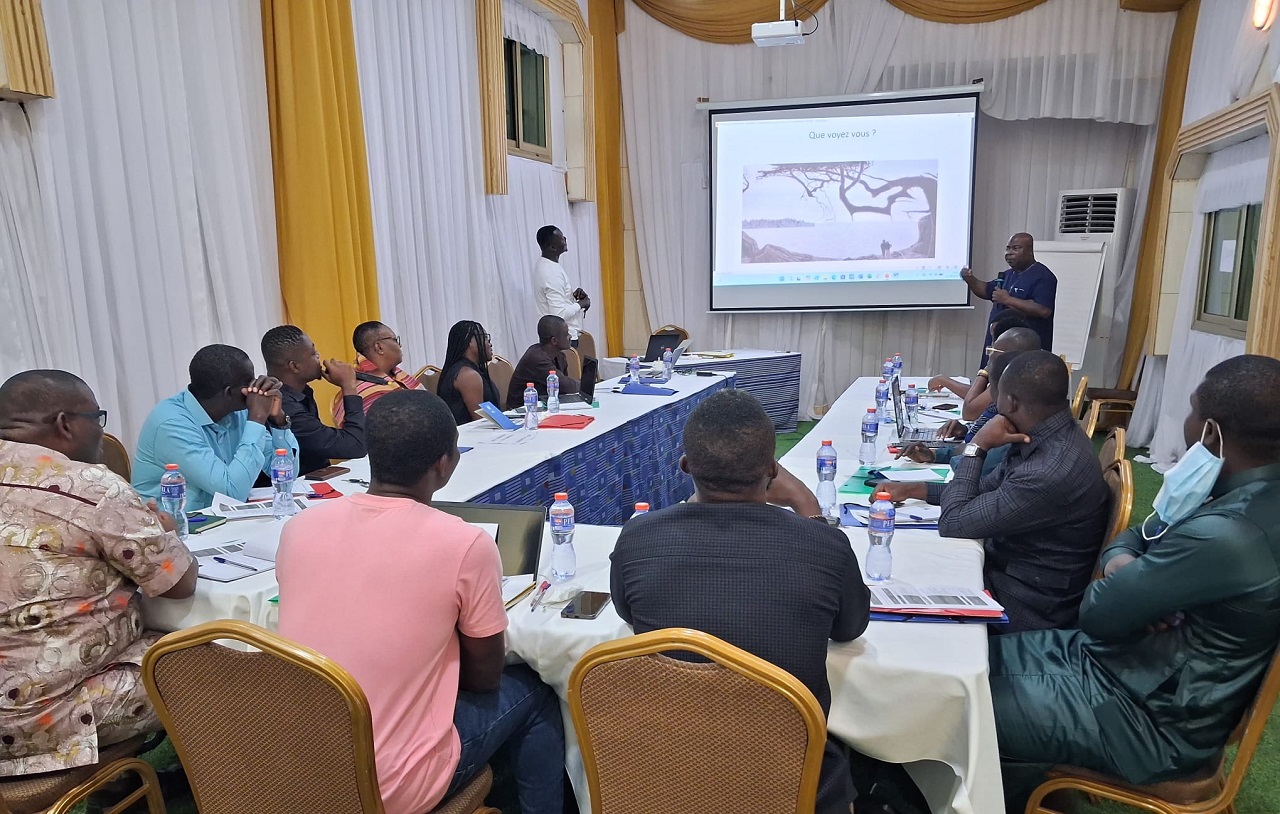
Togolese Religious Leaders Trained to Prevent Violent Extremism
Summary
- 15 Togolese religious media leaders participated in a two-day workshop on preventing violent extremism.
- The training is part of the National Strategy for Prevention and Fight Against Violent Extremism (SNAPLEV) in Togo.
- Participants learned about radicalization mechanisms, responsible communication, and how to construct messages to prevent extremist discourses.
- The US Embassy supported the workshop, highlighting international interest in addressing violent extremism in West Africa.
What Happened
La radicalisation nest pas exclusivement liée à lislam. Partout, on peut avoir des extrémistes
A two-day workshop was held in Togo for a group of 15 religious media leaders to learn how to detect and prevent radicalization. The training, organized by Hotsi Communication with the support of the US Embassy in Togo, is part of the National Strategy for Prevention and Fight Against Violent Extremism (SNAPLEV). On the first day, participants learned about the mechanisms of radicalization and the narratives circulating in Togo, followed by a collective exercise to map out rumors, tensions, and divisive discourses observed in their respective communities. The second day focused on responsible communication, where participants worked on the principle of 'Do No Harm' and constructed messages for their sermons, lectures, and broadcasts.
Legal/Regulatory Context
The SNAPLEV strategy aims to prevent violent extremism by training religious leaders and media professionals. This approach is significant in West Africa, where radicalization is a pressing concern. The US Embassy's support for the workshop highlights the international community's interest in addressing this issue. Lawyers advising clients on compliance with anti-radicalization regulations should note that the implementation of SNAPLEV in Togo may have implications for their work.
Why It Matters
The training is crucial because it empowers religious leaders to detect and prevent radicalization before it takes root. Félix Klavon, a trainer and expert in security and peace, emphasized that radicalization is not exclusive to Islam and can occur anywhere. He warned that the radicalism is not far from Togo's borders and that it is essential to anticipate and prevent violence. By targeting influential religious leaders, the workshop aims to create a network of trusted individuals who can diffuse extremist discourses.
Practical Implications
Lawyers advising clients on compliance with anti-radicalization regulations may want to watch for the implementation of the SNAPLEV strategy in Togo, which aims to prevent violent extremism by training religious leaders and media professionals.
Source
How does this affect you?
Get an AI analysis of this article grounded in your jurisdictions, practice areas, and any policy documents you've uploaded to Wansom.
Wansom is AI and can make mistakes.