
Togo's Adjamagbo-Johnson Opposes Protected Areas Law Over Human Rights Concerns
Summary
- Togo's new protected areas law has been passed, aiming to strengthen biodiversity protection.
- The law creates different categories of protected areas, their zoning, management modes, and the establishment of the National Office for Protected Areas (ONAP).
- Adjamagbo-Johnson voted against the law due to concerns about the rights of neighboring communities, expropriation, relocation, and penalties.
- Togolese law already provides mechanisms for indemnification in cases of expropriation, but Adjamagbo-Johnson argued that more explicit recognition and protection of population rights are needed.
What Happened
La conservation doit se faire avec les communautés, et non à leur détriment.
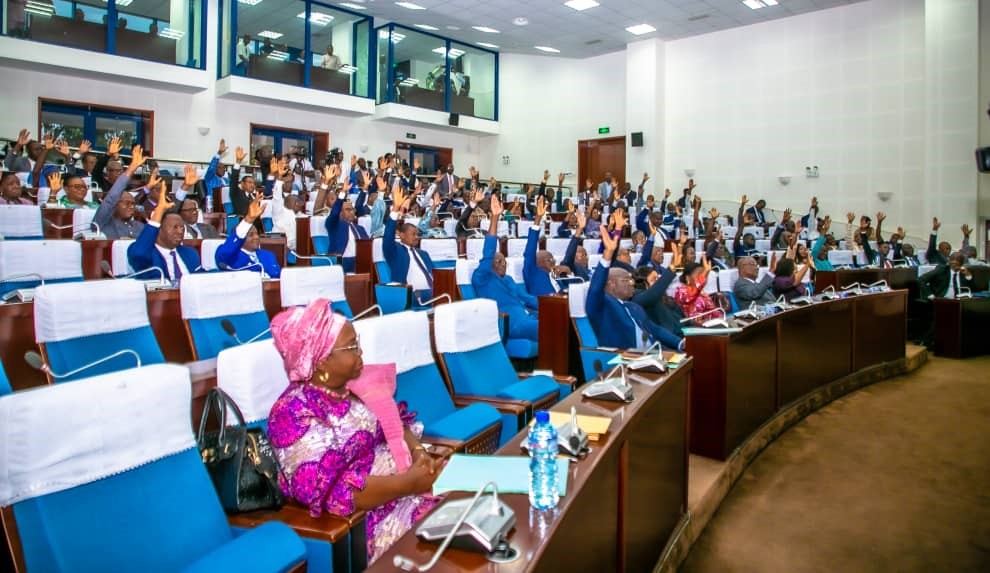
Togo's new protected areas law has been passed, aiming to strengthen biodiversity protection. However, some provisions have raised concerns, particularly regarding the rights of neighboring communities, expropriation, relocation, and penalties. The only MP who voted against the text was Kafui Adjamagbo-Johnson, a CDPA/DMP deputy. She explained her reasons for voting against it.
The law creates different categories of protected areas, their zoning, management modes, and the establishment of the National Office for Protected Areas (ONAP). It also addresses the rights of use by populations, resource exploitation, ecotourism, and penalties for infractions. Notably, the law allows for the creation of a protected area through acquisition or expropriation for public utility.
Adjamagbo-Johnson emphasized that she voted against the law because it does not sufficiently protect populations directly affected by the creation or expansion of protected areas.
Legal Context
The new law is part of Togo's efforts to strengthen environmental protection. However, critics argue that the law prioritizes conservation over human rights and community interests. The law's provisions on expropriation have raised concerns about land ownership and usage rights for local communities.
Togolese law already provides mechanisms for indemnification in cases of expropriation. Nevertheless, Adjamagbo-Johnson argued that a more explicit recognition and protection of population rights should be included in the law to ensure its effectiveness, fairness, and durability.
The creation of protected areas can have significant impacts on local communities, including displacement and relocation. The law's failure to provide clear guidelines for reinstallation has raised concerns about the treatment of affected populations.
Why It Matters
The new protected areas law in Togo has significant implications for land ownership and usage rights for local communities. Lawyers and compliance officers should be aware of these changes and advise clients accordingly.
The law's provisions on expropriation, relocation, and penalties have raised concerns about the balance between conservation and human rights. Adjamagbo-Johnson's opposition highlights the need for a more nuanced approach to environmental protection that takes into account community interests and rights.
As Togo continues to develop its environmental policies, it is essential to address these concerns and ensure that conservation efforts are carried out in a way that respects human rights and promotes sustainable development.
Practical Implications
Lawyers and compliance officers should be aware of the new protected areas law in Togo, which may impact land ownership and usage rights for local communities. They should advise clients on the potential implications of this law and ensure compliance with its provisions.
Source
How does this affect you?
Get an AI analysis of this article grounded in your jurisdictions, practice areas, and any policy documents you've uploaded to Wansom.
Wansom is AI and can make mistakes.