
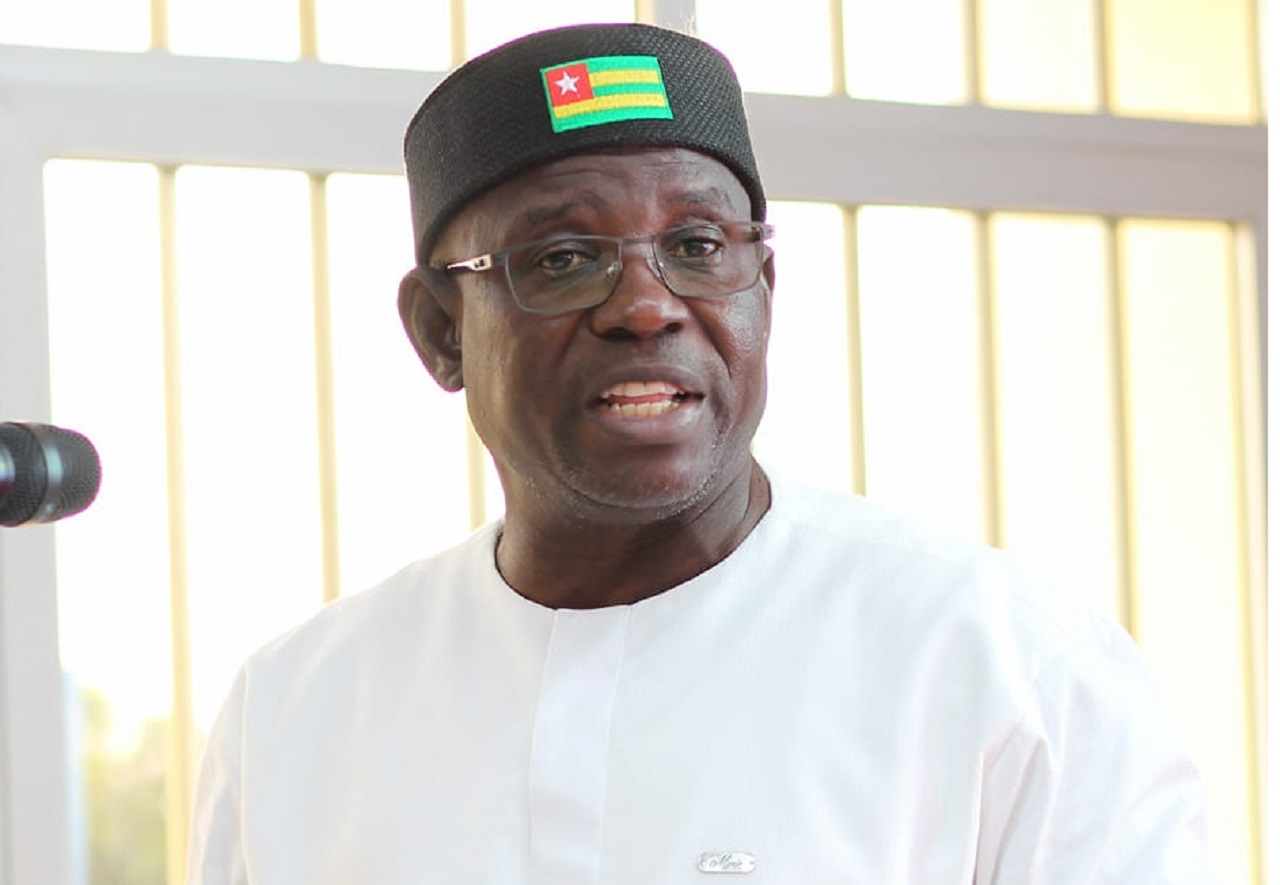
Togo: Professor Affirms Patient Opinions Cannot Justify Refusal of Care
Professor Kadanga Beketi, a prominent figure in Togo, recently affirmed that a patient's political, religious, or social opinions cannot serve as a legitimate basis for refusing medical care, directly addressing a query about doctors' obligations regarding patients' social media conduct. This statement, reported by IciLome, underscores a fundamental principle of medical ethics and patient rights within the Togolese legal landscape, clarifying that personal beliefs, even if publicly expressed, do not diminish an individual's entitlement to healthcare services.
This pronouncement carries significant legal weight for practitioners and healthcare institutions across Togo. It reinforces the non-discriminatory nature of medical practice, reminding healthcare providers of their professional and ethical duties. For patients, it solidifies their right to access care irrespective of their personal views, fostering trust in the healthcare system. The clarification is particularly relevant in an era where individuals' online activities are increasingly scrutinized, ensuring that such scrutiny does not impede access to essential services. Any deviation from this principle could expose medical professionals and institutions to disciplinary action by professional bodies or civil liability claims for damages.
The legal context for this affirmation is rooted in Togo's constitutional framework and public health legislation. The Togolese Constitution, particularly Article 2, prohibits discrimination based on various grounds, and Article 11 guarantees the right to health and social protection for all citizens. Furthermore, Togo's Code de la Santé Publique (Public Health Code) and the Code de Déontologie Médicale (Code of Medical Ethics) are expected to enshrine principles of professional duty, non-discrimination, and the obligation to provide care. Internationally, Togo is a signatory to instruments like the Universal Declaration of Human Rights (Article 25) and the African Charter on Human and Peoples' Rights (Article 16), which mandate the right to health and prohibit discrimination in its provision, influencing domestic legal and ethical standards. While this is an expert opinion and not a court ruling, it provides authoritative interpretation of existing legal and ethical obligations.
The key parties involved in this discussion are Professor Kadanga Beketi, whose expertise lends authority to the statement, and IciLome, the media outlet disseminating this crucial information. More broadly, the statement directly impacts all medical professionals, healthcare institutions, and patients within Togo. It serves as a guiding principle for the Ordre National des Médecins du Togo (National Order of Physicians of Togo) in upholding professional standards and for administrative or civil courts should a dispute arise concerning a refusal of care. The outcome of any specific case involving a refusal of care based on patient opinions is not reported in this excerpt, as the article focuses on the expert's general affirmation of the principle.
Practising attorneys in Togo should advise their healthcare provider clients to review and reinforce their internal policies and training programs to ensure strict adherence to the principle of non-discrimination in patient care. This includes educating staff on the impermissibility of refusing treatment based on a patient's political, religious, or social opinions, even if expressed on social media. Legal professionals should also be prepared to represent patients whose rights to non-discriminatory care may have been violated, understanding the interplay between constitutional rights, public health law, and medical ethics. Monitoring any future disciplinary actions or civil litigation stemming from alleged refusals of care will be crucial for understanding the practical application and enforcement of this fundamental principle.
How does this affect you?
Get an AI analysis of this article grounded in your jurisdictions, practice areas, and any policy documents you've uploaded to Wansom.
Finish Reading the Full Story and the Expert Analysis.
Get the latest legal & regulatory intelligence in Togo
Wansom is AI and can make mistakes.