
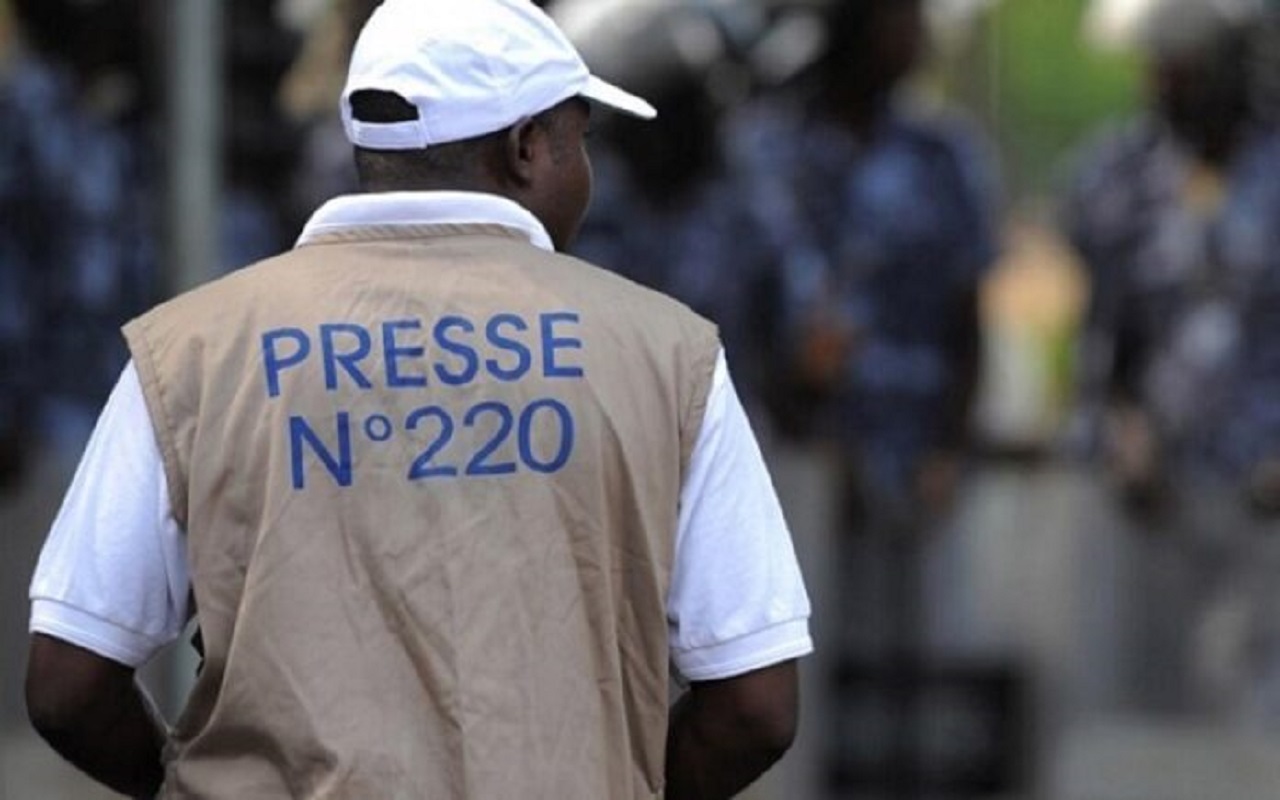
Togo Press Freedom: Faure Gnassingbé's Ongoing Challenges
Summary
- Journalism is fundamentally a power struggle between reporters seeking to reveal information and authorities aiming to conceal it.
- The successive governments of Faure Gnassingbé in Togo are cited as prominent examples of administrations that actively manage information flow.
- A recent "misadventure" involving two French journalists underscored the challenging environment for press freedom in Togo.
- This dynamic transforms the act of reporting into a demanding and often adversarial undertaking for journalists.
The Fundamental Conflict in Reporting
Ultimately, the ability of a society to function transparently and hold its leaders responsible is directly tied to the freedom and capacity of its press to operate without undue interference.
The very essence of journalism often places it in direct opposition to established powers, creating a dynamic that can best be described as a constant struggle for information. On one side stands the journalist, whose professional mandate is primarily to unearth and reveal facts, bringing transparency to matters that might otherwise remain concealed. This pursuit of truth is a cornerstone of public discourse and accountability.
However, this objective frequently clashes with the intentions of powerful entities. Political regimes and significant economic players, for their part, often harbor a strong desire to keep certain aspects of their operations or decisions out of the public eye. These "shadowy areas" represent information they deem sensitive or potentially damaging, leading to concerted efforts to control narratives and restrict access.
This inherent tension defines the landscape in which reporters operate globally, shaping the challenges they face daily. The drive to inform the public inevitably confronts the impulse to conceal, setting up a perpetual contest over the flow and interpretation of critical information.
Togo's Press Freedom Under Scrutiny
Within this global context of information control, the successive governments in Togo, under the continued leadership of Faure Gnassingbé (who transitioned from President to the powerful executive role of President of the Council in May 2025), have emerged as a notable illustration of authorities that consistently engage in efforts to manage public information. The environment for press freedom in Togo, particularly under the long tenure of Faure Gnassingbé, has often been characterized by significant challenges for independent media. This pattern of governance highlights the difficulties faced by journalists attempting to operate without undue influence or obstruction.
The ongoing struggle for transparency in Togo was recently brought into sharp focus by a specific incident involving two French reporters. This event, characterized as a "misadventure," serves as a tangible example of the operational hurdles and potential risks encountered by those striving to conduct independent journalistic work within the country's borders. Such occurrences underscore the broader climate where the primary objective of revealing information often meets resistance.
These instances contribute to a perception that reporting in Togo can be a demanding and often adversarial undertaking. The consistent actions of the state in managing information create an atmosphere where journalists must navigate a complex terrain, constantly balancing their professional duties with the realities of governmental oversight and control.
The Broader Implications for Transparency
The persistent efforts by governments, such as those under Faure Gnassingbé, to obscure information or control narratives carry significant implications for the health of public discourse and democratic accountability. When political or economic powers are determined to hide their "shadowy areas," the public's right to know is compromised, hindering informed decision-making and oversight. This dynamic transforms the act of journalism into what can often feel like a combative path, rather than a straightforward professional endeavor.
For journalists, this environment means that their fundamental mission to reveal information becomes fraught with obstacles, demanding resilience and courage. The "misadventure" of reporters, as seen recently, is not merely an an isolated incident but a symptom of a broader systemic challenge to independent reporting. It highlights the constant pressure on those who seek to hold power accountable, making their work inherently more difficult and perilous.
Ultimately, the ability of a society to function transparently and hold its leaders responsible is directly tied to the freedom and capacity of its press to operate without undue interference. When governments consistently act to suppress or control information, it undermines the very foundations of an open society, turning the pursuit of truth into a continuous uphill battle for those dedicated to its revelation.
Source
How does this affect you?
Get an AI analysis of this article grounded in your jurisdictions, practice areas, and any policy documents you've uploaded to Wansom.
Finish Reading the Full Story and the Expert Analysis.
Get the latest legal & regulatory intelligence in Togo
Wansom is AI and can make mistakes.