
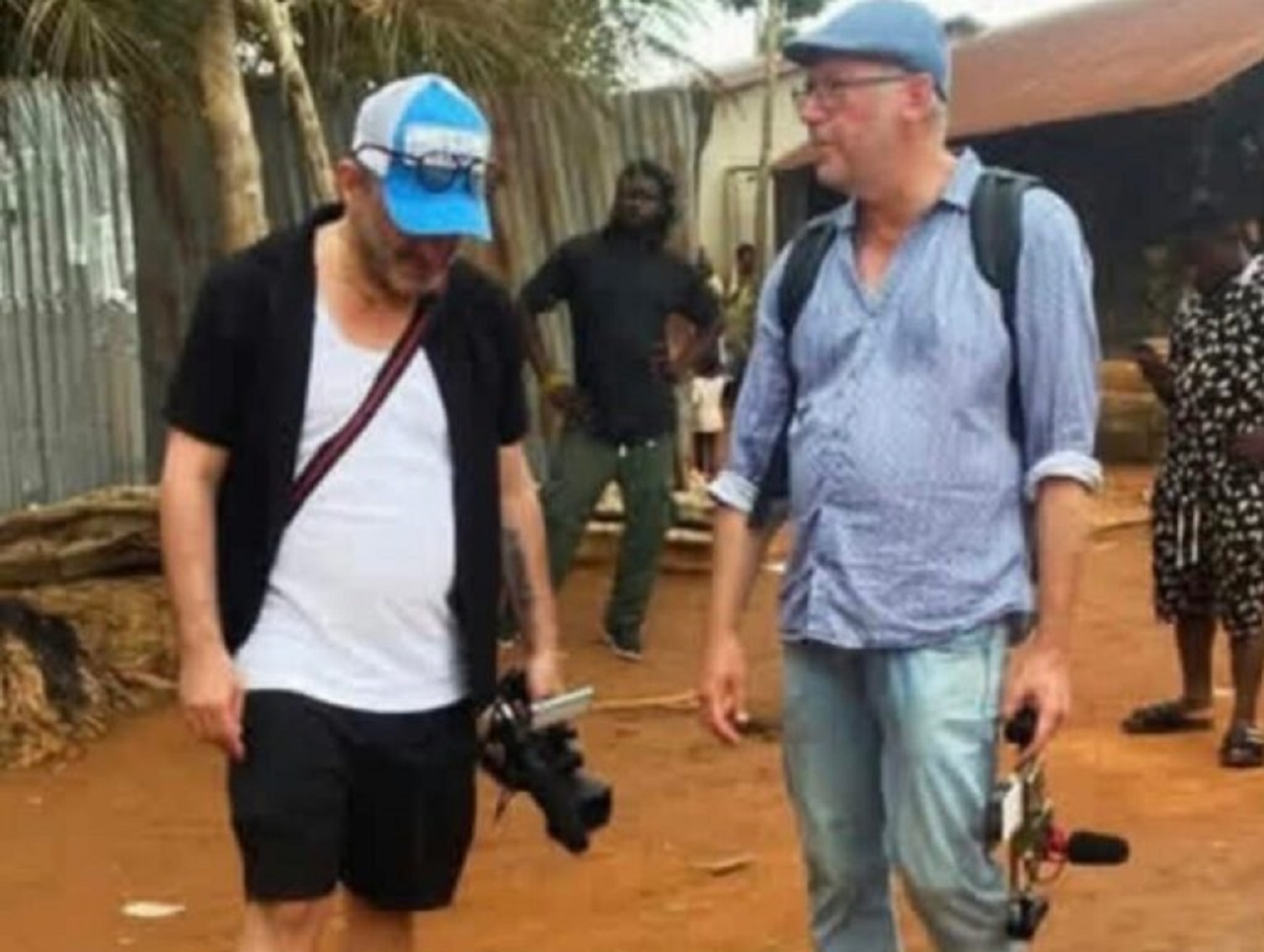
Togo Media Associations Demand Release of 2 Detained French Journalists
The Patronat de la Presse Togolaise and Truth Reporting Post issued a joint statement demanding the immediate release of French documentary filmmakers Gaël Mocaër and Sebastian Perez Pezzani, alongside their Togolese guide Fred Vedomey, following their detention by authorities in Lomé, Togo, on 27 July for alleged unauthorized reporting activities. The media professionals were intercepted while filming a travel documentary for the France Télévisions series Les Routes de l’impossible in the northern region of the country. According to the press advocacy groups, Togolese authorities initially allowed the journalists and their filming equipment to clear customs and enter national territory, only to subsequently arrest them on allegations of engaging in unauthorized activities. The media organizations denounced the procedure as an improper administrative and penal action against press professionals actively carrying out their duties.
This matter highlights the complex legal intersection of immigration administration, media accreditation regulations, and constitutional guarantees of press freedom within Togo. From a regulatory perspective, the joint statement underscores the principle that media professionals should not face deprivation of liberty solely for exercising their journalistic craft, referencing constitutional provisions of the Togolese Republic alongside international human rights treaties ratified by the state. The contrast between initial entry authorization granted to the journalists and their equipment versus their subsequent detention for unauthorized work raises significant questions regarding procedural predictability, administrative consistency, and state enforcement mechanisms against foreign media operators.
The key parties involved include the detained filmmakers, local guide Fred Vedomey, Togolese state authorities, the Patronat de la Presse Togolaise, and Truth Reporting Post. For legal counsel advising international media houses, corporate entities, or foreign correspondents operating across West Africa, this case emphasizes the critical necessity of securing explicit written accreditation and site-specific authorizations before undertaking field operations. Attorneys must ensure that administrative permits explicitly cover all intended regional destinations and specialized technical equipment to prevent state intervention under national security or administrative compliance laws. Because the ultimate judicial disposition of this matter has not been reported, legal practitioners should monitor how Togolese courts address the interplay between statutory permitting requirements and constitutional protections for journalists.
How does this affect you?
Get an AI analysis of this article grounded in your jurisdictions, practice areas, and any policy documents you've uploaded to Wansom.
Wansom is AI and can make mistakes.