
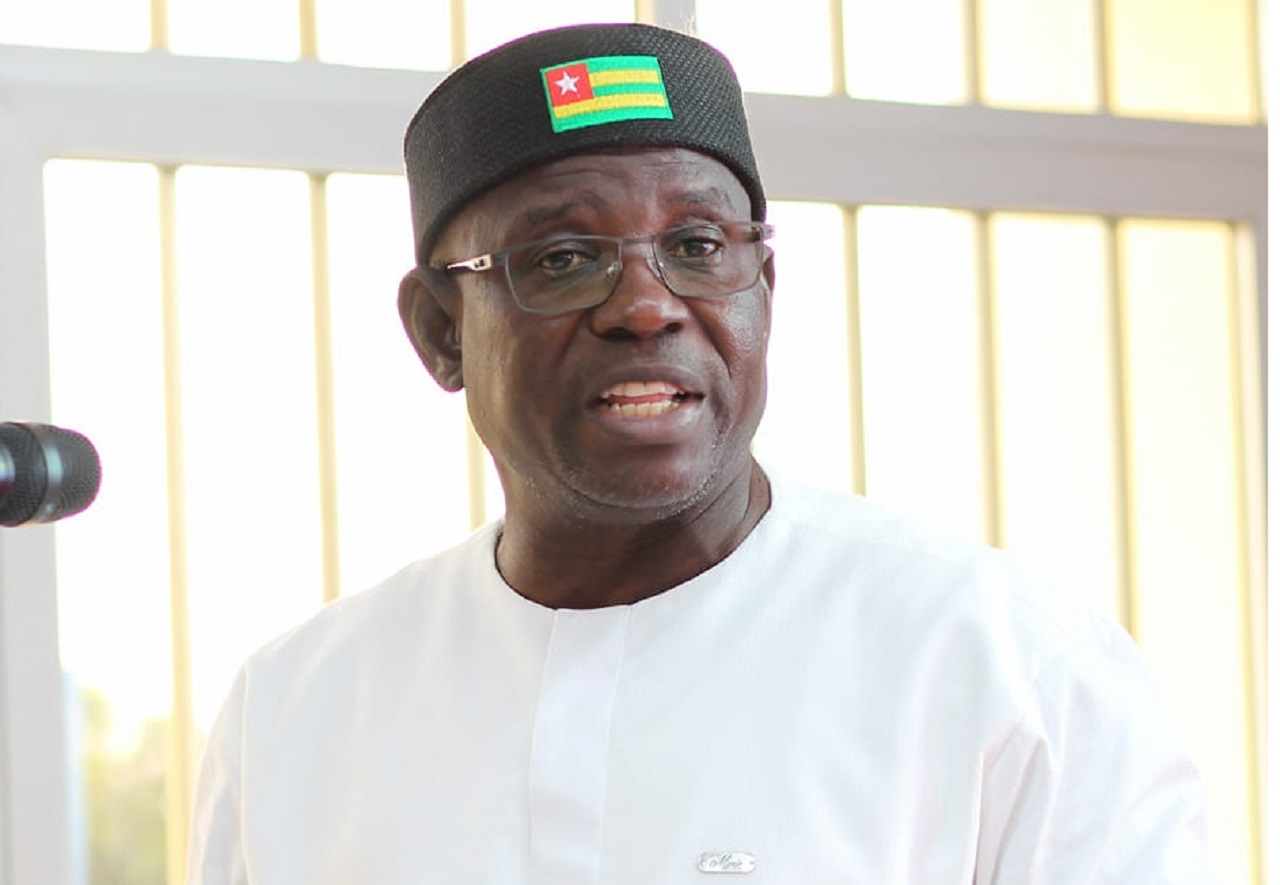
Prof Beketi: Togo Doctors Cannot Refuse Care for Patient Opinions
Summary
- Professor Kadanga Beketi clarified that a patient's political, religious, or social opinions cannot be a reason for a doctor to refuse care in Togo.
- This principle applies even if these opinions are expressed publicly on social media platforms.
- The statement reinforces core medical ethics and the non-discriminatory nature of healthcare provision in Togo.
- It safeguards patient rights by ensuring access to medical treatment is not conditional on personal beliefs.
- The clarification sets a clear standard for healthcare providers regarding their professional obligations to treat all individuals impartially.
Core Clarification on Patient Care
A patient's political, religious, or social opinions, even if expressed publicly on social media platforms, do not constitute a valid reason for a doctor to refuse medical care.
Professor Kadanga Beketi, a prominent figure in Togo, has issued a definitive clarification regarding the obligations of medical professionals concerning patient care. This statement directly addresses the critical question of whether a physician can decline to treat an individual based on their personal views or public expressions. Professor Beketi unequivocally affirmed that a patient's political, religious, or social opinions, even when articulated publicly on social media platforms, cannot serve as a legitimate basis for a doctor to refuse medical attention.
Upholding Medical Ethics in Togo
The declaration by Professor Beketi serves to reinforce the core ethical tenets that are foundational to medical practice in Togo. It articulates the non-discriminatory nature of healthcare, asserting that access to treatment must be universal and unhindered by a patient's personal convictions or public stances. This principle is central to professional medical conduct, underscoring that a physician's primary duty is to provide care to all individuals in need, irrespective of their background or expressed viewpoints.
This statement by Professor Kadanga Beketi aligns with global standards of medical ethics, which mandate impartial care. It explicitly addresses the issue of "refus de soins" in Togo, making it clear that a doctor's decision to treat must be based solely on clinical necessity and not on any personal judgment of the patient's opinions. This reinforces the integrity of the medical profession and its commitment to patient well-being above all else.
Safeguarding Patient Rights
This clarification holds significant weight for patient rights across Togo, particularly concerning potential discrimination within the healthcare system. It provides a crucial safeguard, ensuring that individuals cannot be denied essential medical services due to their political affiliations, religious practices, or social perspectives. The explicit mention of social media in the context of patient opinions is particularly relevant, adapting the principle of non-discrimination to modern forms of public expression.
By stating that a patient's political opinions or other personal views cannot justify a Togo doctor's refusal of care, Professor Beketi strengthens the position of patients. It empowers individuals to seek and receive treatment without fear that their public or private opinions might lead to a denial of service. This reinforces the notion that the right to healthcare is fundamental and should not be conditional on conformity of thought or expression.
Implications for Healthcare Providers
Professor Beketi's declaration establishes a clear and unambiguous standard for medical practitioners throughout Togo. It serves as a vital reminder of the professional responsibilities inherent in the medical profession, particularly regarding the impartial delivery of care. For healthcare institutions, this statement provides a definitive guideline for internal policies and staff training, ensuring that all personnel understand and adhere to the principle of non-discrimination.
This guidance clarifies the Togo physician obligation to treat, emphasizing that medical decisions must be based exclusively on clinical needs rather than a patient's personal opinions or public discourse. It helps prevent situations where a doctor might feel justified in refusing care due to disagreements with a patient's views, thereby promoting a consistent and ethical approach to healthcare delivery across the nation.
Practical Implications
This statement clarifies the non-discriminatory obligations of healthcare providers in Togo, particularly regarding patient opinions expressed online. Lawyers advising medical professionals or institutions should ensure compliance policies prohibit refusal of care based on political, religious, or social views, while patient advocates can cite this principle to challenge such refusals.
Source
Source: Original reporting via Icilome.
How does this affect you?
Get an AI analysis of this article grounded in your jurisdictions, practice areas, and any policy documents you've uploaded to Wansom.
Finish Reading the Full Story and the Expert Analysis.
Get the latest legal & regulatory intelligence in Togo
Wansom is AI and can make mistakes.