
Togo Déguerpissement Commerces Trottoirs: Grand Lomé's Illegal Evictions
Summary
- Agents in Grand Lomé prematurely destroyed small businesses and hangars on November 2-4, 2026, despite an official self-eviction deadline of November 20, 2026.
- The Comité ad’hoc overseeing the operation clarified on November 6, 2026, that forced evictions were not authorized before November 21, 2026.
- Reports indicate agents stole merchandise, including pork, from a vendor during the early destruction operations.
- Gabon's President Oligui Nguema announced a 7.5 billion CFA francs compensation package and titled land plots for families displaced by urban projects, setting a precedent for humane expropriation.
- Many individuals in Togo affected by past expropriations, such as for the Grand Contournement and PIA, still await compensation.
Unsanctioned Destructions in Grand Lomé
Lawyers in Togo should therefore advise clients affected by this premature and destructive operation on potential claims for property damage and lost income against the state or its agents.
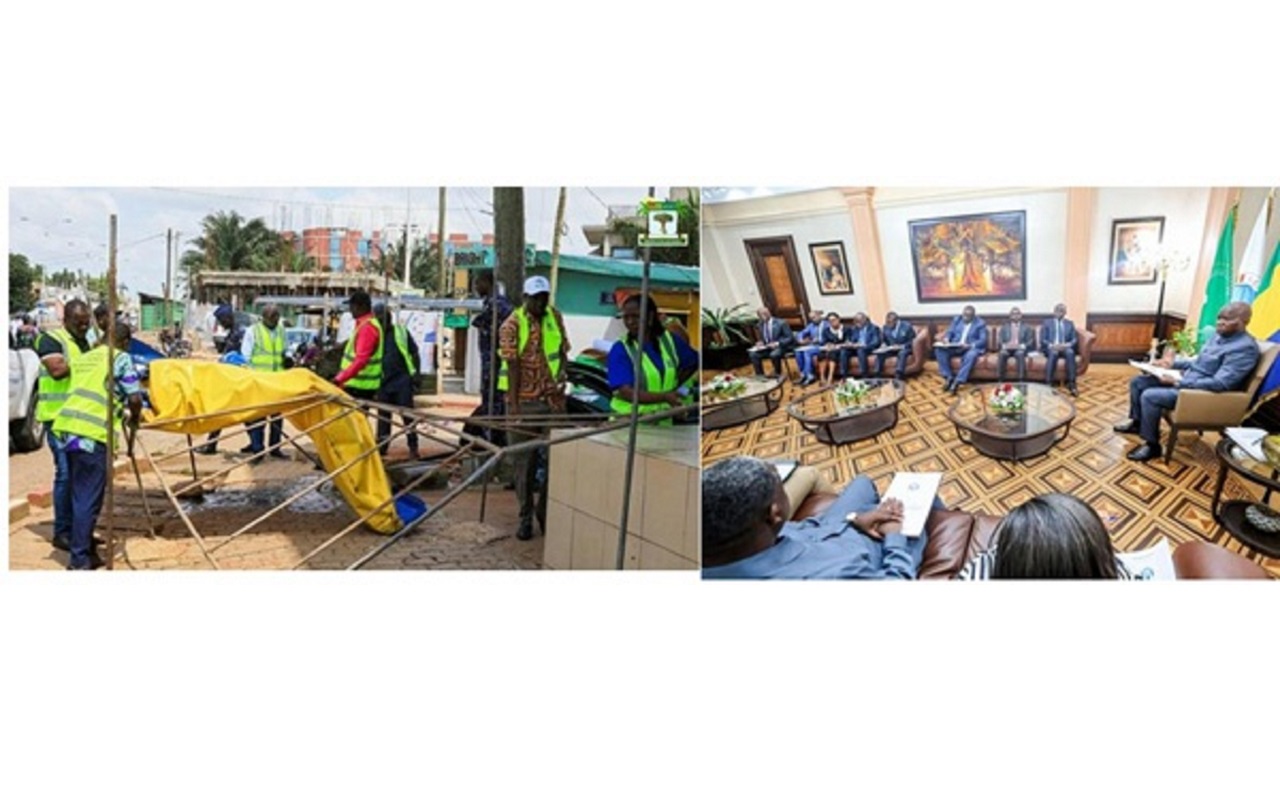
Agents operating under the Autonomous District of Grand Lomé initiated destructive actions against small businesses and makeshift structures across the region on November 2, 3, and 4, 2026. This premature intervention occurred despite an official timeline for the 'libération des trottoirs' operation, which stipulated a self-eviction period for occupants until November 20, 2026. The widespread destruction of commercial installations, particularly noted in areas like Attikoumé within the Golfe 4 commune, has raised significant concerns regarding the adherence to established procedures. The rapid and forceful clearance operations have left numerous vendors without their livelihoods, highlighting a stark discrepancy between policy and execution in this Togo déguerpissement commerces trottoirs illégal.
Adding to the distress, reports emerged of agents allegedly stealing merchandise, specifically pork, from a vendor during these early operations. While communal authorities reportedly took disciplinary measures against the implicated agents, critics argue that such actions warrant more severe legal consequences, including prosecution. The incidents underscore a pattern of disregard for property and due process during the initial phase of the sidewalk clearance initiative, leading to substantial losses for affected traders and raising questions about accountability within the operation.
Official Directives and Their Disregard
The Comité ad’hoc de lutte contre l’occupation anarchique du domaine public dans le Grand Lomé, tasked with overseeing the removal of unauthorized structures, issued a public statement on November 6, 2026. This communication explicitly clarified the operational timeline, instructing illegal occupants of public spaces to vacate voluntarily by November 20, 2026. The committee further stipulated that official enforcement, involving competent services and communes, would commence only from November 21, 2026, with costs borne by non-compliant individuals. This phased approach was designed to allow for self-compliance and pedagogical engagement from communal authorities.
Crucially, the committee's statement unequivocally declared that the period leading up to November 20, 2026, "cannot be interpreted as authorization to proceed with forced eviction operations before this date." This directive directly contradicts the actions of the Autonomous District agents who carried out widespread destruction in the preceding days. The premature and destructive 'libération trottoirs Grand Lomé destruction' activities thus represent a clear violation of the very guidelines established by the coordinating body, creating a situation where citizens were dispossessed before the official deadline for voluntary compliance had even expired.
A Benchmark for Humane Expropriation
In stark contrast to the events in Togo, neighboring Gabon has demonstrated a significantly more humane approach to similar urban development initiatives. President Brice Clotaire Oligui Nguema, addressing the displacement of families in areas like Diba-Diba, Okala, and Lac Bleu, announced a comprehensive indemnification and resettlement program. Recognizing the profound personal and economic investment individuals make in their homes, President Nguema committed an additional 4 billion CFA francs to an already mobilized 3.5 billion CFA francs, bringing the total compensation package to 7.5 billion CFA francs for affected families.
Beyond monetary compensation, the Gabonese plan includes a critical provision for long-term security: each displaced family is to receive an equipped plot of land, complete with a land title issued in their name, at designated sites such as Malibé, 1st Campement, and Ntoum. This measure aims to provide secure land tenure and a stable foundation for resettlement. President Nguema further mandated that his government provide regular updates on each individual case, ensuring that every family is successfully resettled. This commitment to 'indemnisation expropriation Gabon Oligui Nguema' sets a high standard for due process and fair treatment during state-led land reappropriation.
Implications for Rights and Redress
The disparity between the Gabonese approach and the recent 'destruction installations commerciales Lomé' highlights a critical need for robust legal protections and fair compensation in Togo. While the Gabonese government ensures both financial redress and secure land tenure for its citizens, many individuals in Togo, particularly those affected by large-scale projects like the Grand Contournement and the Adétikope Industrial Platform (PIA), remain without any form of indemnification for their expropriated properties. This ongoing issue of 'Togo expropriation sans indemnisation' underscores a systemic challenge.
Lawyers in Togo should therefore advise clients affected by this premature and destructive operation on potential claims for property damage and lost income against the state or its agents. The official deadline for self-eviction was not respected, and acts of theft were reported, providing grounds for advocating for the 'droits commerçants déguerpissement Togo' and seeking redress in line with principles of due process and fair compensation, potentially citing the comprehensive Gabonese model as a benchmark.
Practical Implications
Lawyers in Togo should advise clients affected by the premature and destructive 'libération des trottoirs' operation on potential claims for property damage and lost income against the state or its agents, as the official deadline for self-eviction was not respected and acts of theft were reported. The Gabonese example of comprehensive indemnification and land titling for expropriated individuals sets a benchmark for due process and fair compensation that could be cited in advocating for affected Togolese citizens.
Source
How does this affect you?
Get an AI analysis of this article grounded in your jurisdictions, practice areas, and any policy documents you've uploaded to Wansom.
Finish Reading the Full Story and the Expert Analysis.
Get the latest legal & regulatory intelligence in Togo
Wansom is AI and can make mistakes.