
Togo CEDEAO Ruling: Faure Gnassingbe Regime Under Increased Pressure
Summary
- The CEDEAO court's 2020 ruling found the 2019 constitutional amendments in Togo unconstitutional, but Togo has since adopted a new constitution in 2024.
- Opposition movements in Togo have called for a general mobilization against the regime.
- Regional bodies and the African Union are urged to enforce the African Charter of Democracy, Elections and Governance.
- The ruling has left the Togolese government vulnerable to increased pressure from regional bodies and the international community.
What Happened
However, the CEDEAO court's decision is final, and the authorities can no longer hide behind international benevolence.
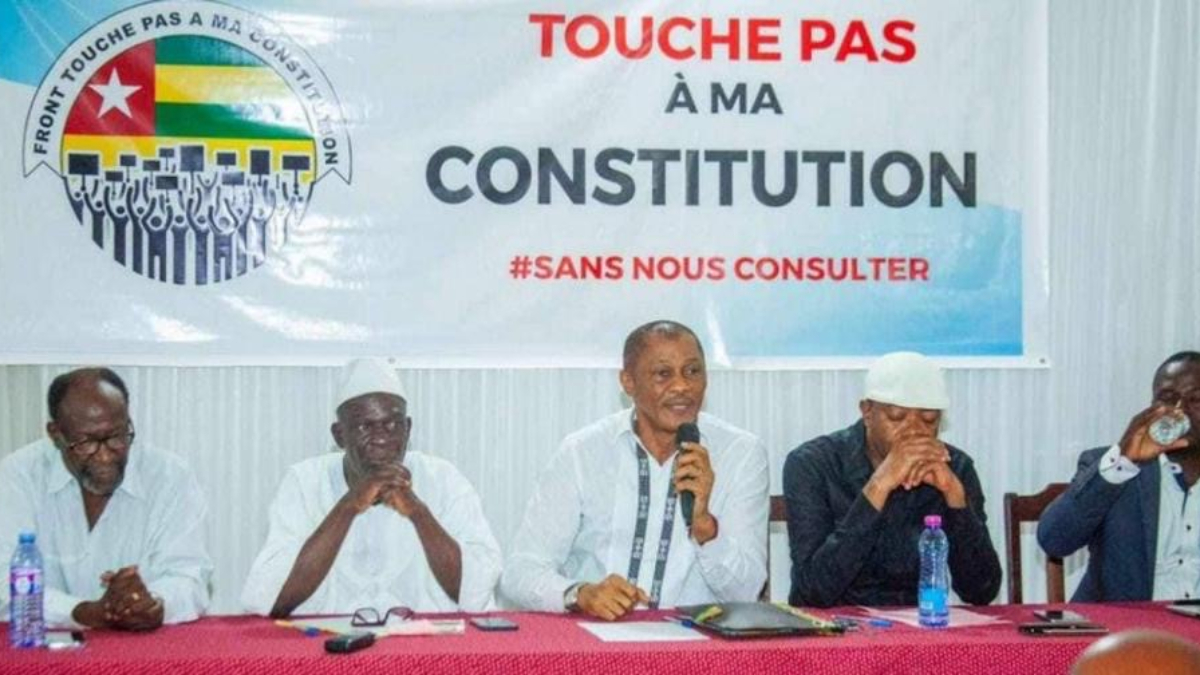
A joint statement by opposition movements DMK-Originale, DMP, and LDP called for a general mobilization against the Togolese government, which they believe has been weakened by the recent CEDEAO court ruling on constitutional reform. The signatories criticized the regime's reaction to the ruling, contesting the regional court's jurisdiction and urging CEDEAO and the African Union to enforce the African Charter of Democracy, Elections and Governance. The opposition movements accused the Togolese government of attempting to dilute the impact of the ruling with a desperate delaying tactic. However, the CEDEAO court's decision is final, and the authorities can no longer hide behind international benevolence.
Legal Context
The CEDEAO court's 2020 ruling confirmed that the 2019 constitutional amendments in Togo were unconstitutional. However, Togo adopted a new constitution in 2024, which has since altered the country's constitutional framework, thereby changing the context of the government's legitimacy. This has significant implications for the regime, which has long relied on international support to legitimize its rule. The African Charter of Democracy, Elections and Governance (CADEG) provides a framework for regional bodies like CEDEAO to intervene in cases of constitutional breaches. Article 23/5 of the charter was invoked by the CEDEAO court to impose obligations on both CEDEAO and the African Union to enforce articles 24 and 25 of the same text.
Why It Matters
The ruling has left the Togolese government in a precarious position, exposed to increased pressure from regional bodies and the international community. The opposition movements are calling for a general mobilization against the regime, which they believe should be held accountable for its actions. The CEDEAO court's decision has broken the regime's reliance on international support, making it more vulnerable than ever before. It is now up to regional bodies and the African Union to ensure that the regime does not resort to fake dialogue or electoral manipulation to maintain power.
Practical Implications
Lawyers advising clients in Togo should be aware that the CEDEAO ruling may lead to increased pressure on the regime, potentially paving the way for a transition and national dialogue. Compliance officers should monitor developments for potential implications on business operations in the country.
Source
Source: Original reporting via AFP
How does this affect you?
Get an AI analysis of this article grounded in your jurisdictions, practice areas, and any policy documents you've uploaded to Wansom.
Wansom is AI and can make mistakes.