
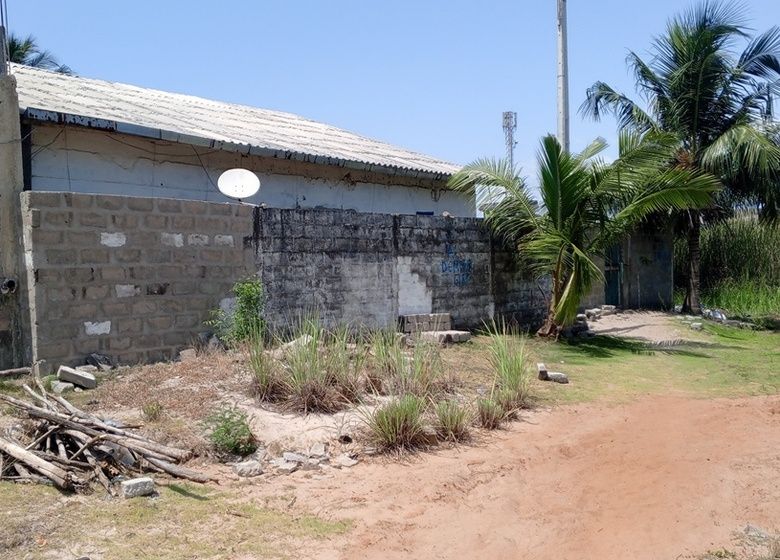
Togbin-Daho Démolition Tombe Mari: Femme Menacée de Perte de Foyer
Summary
- An elderly woman in Togbin-Daho, Abomey-Calavi, fears the demolition of her home, where she has lived for 52 years.
- Her house is targeted as part of the "libération des berges" operation.
- She has no alternative housing and lacks the financial means to rent another place.
- She is also deeply concerned about the fate of her deceased husband's grave, located on the property.
- The situation highlights the challenges faced by vulnerable residents during public works projects in Benin.
The Situation in Togbin-Daho
Beyond the immediate concern for her home, a profound personal distress centers on the fate of her deceased husband's burial site.
A woman in her seventies, a long-term resident of Togbin-Daho within the Abomey-Calavi municipality, faces the imminent threat of losing her home. She has resided in the same location for 52 years, establishing deep roots in the community over more than five decades.
Her residence is slated for demolition as part of a governmental initiative known as the "libération des berges Abomey-Calavi," an operation aimed at clearing riverbanks. This elderly individual finds herself in a particularly precarious position, as she possesses no alternative dwelling and lacks the financial resources necessary to secure rental accommodation elsewhere.
Beyond the immediate concern for her home, a profound personal distress centers on the fate of her deceased husband's burial site. The grave, a significant family memorial, is also located on the property targeted for demolition, adding a layer of emotional and cultural complexity to her already dire circumstances.
Property Rights and Public Works
The ongoing "libération des berges" operation in Abomey-Calavi highlights the inherent tensions that can arise between public development initiatives and individual `droit de propriété Bénin`. While such projects are often undertaken for broader public benefit, they frequently necessitate the `expropriation Togbin-Daho` of private land, impacting long-standing residents.
This particular case underscores the challenges faced by vulnerable populations when their private property is targeted for public works. The woman's extended tenure of 52 years at the site suggests a deep personal and historical connection to the land, which is now being overridden by the state's development agenda. The lack of alternative housing and financial means further complicates her ability to navigate the process of displacement.
Protecting Sacred Sites
A critical aspect of this situation involves the potential destruction of the woman's husband's grave, raising significant questions about `droit funéraire Bénin` in the context of urban development. Burial sites hold immense cultural, spiritual, and personal significance, often being protected under various legal and customary frameworks.
The prospect of a grave being demolished as part of a public works project presents a profound ethical and legal dilemma. It necessitates careful consideration of the procedures for relocating human remains, ensuring respect for the deceased and providing adequate support and consultation for grieving families. The emotional toll of such an event, particularly on an elderly individual, cannot be overstated.
Implications for Residents
The predicament of this septuagenarian in Togbin-Daho serves as a poignant example of the broader human impact of large-scale infrastructure projects. Her situation reflects the potential for such operations to disproportionately affect the most vulnerable members of society, particularly those with limited resources and deep community ties.
This case underscores the importance of robust legal frameworks and compassionate implementation strategies when public interest projects necessitate the displacement of residents. Ensuring fair compensation, providing viable relocation options, and respecting cultural and personal heritage, such as burial sites, are crucial for mitigating the adverse effects on affected communities and upholding fundamental human rights.
Practical Implications
Lawyers in Benin should monitor the 'libération des berges' operations in Abomey-Calavi for potential challenges regarding property rights, compensation, and the protection of vulnerable individuals, particularly concerning the legal status and relocation of graves. This case highlights the need for careful due diligence in public works projects impacting private land and cultural sites.
Source
How does this affect you?
Get an AI analysis of this article grounded in your jurisdictions, practice areas, and any policy documents you've uploaded to Wansom.
Wansom is AI and can make mistakes.