
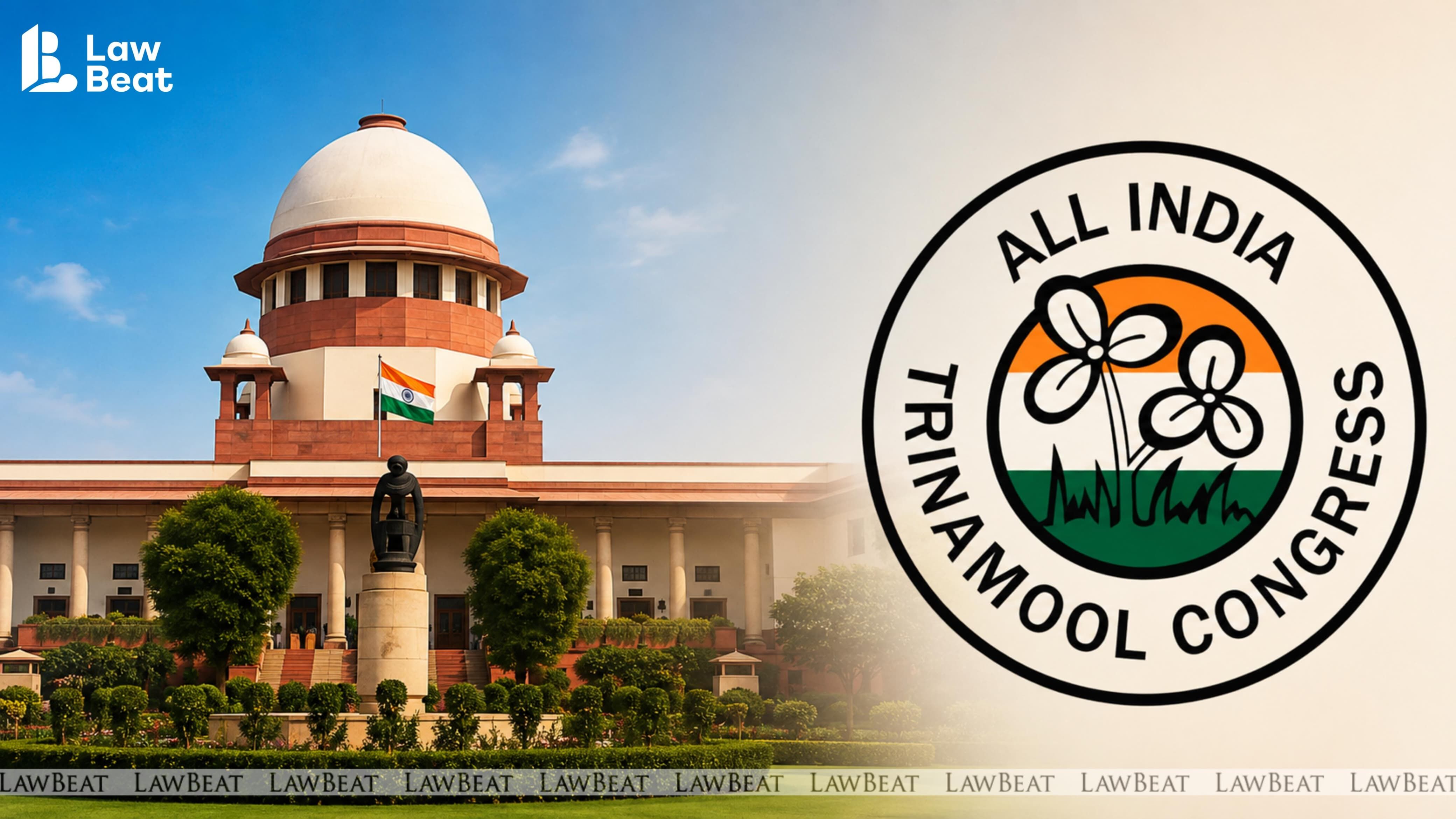
Supreme Court: TMC Frozen Bank Funds Release for Day-to-Day Expenses
Summary
- The Supreme Court is considering whether a political party can access frozen bank funds for day-to-day expenses.
- The TMC has challenged the Calcutta High Court's refusal to stay the ED's action freezing three of its bank accounts.
- The Prevention of Money Laundering Act is central to this case, with the ED arguing that it aims to prevent further laundering.
- The Supreme Court has proposed releasing a limited amount of funds through a High Court-appointed Special Officer for the party's day-to-day functioning.
What's at Stake
The Prevention of Money Laundering Act is also meant to prevent further laundering. Money continues to flow through these accounts every day, ASG Raju submitted.
The Supreme Court is grappling with a crucial question: can a political party access frozen bank funds for day-to-day expenses? The Trinamool Congress (TMC) has challenged the Calcutta High Court's refusal to stay the Enforcement Directorate's (ED) action freezing three of its bank accounts, collectively holding approximately ₹440.42 crore. At the heart of this dispute lies the Prevention of Money Laundering Act, which aims not only to punish money laundering but also to prevent it. The ED claims that money continues to flow through these accounts every day, raising concerns about further laundering. The TMC, on the other hand, argues that the freezing of its accounts has paralysed its functioning and is seeking interim relief to meet its routine operational expenses.
The Legal Landscape
The Supreme Court's intervention comes in the wake of a Calcutta High Court order refusing interim relief to the TMC against the freezing of its bank accounts. The ED had frozen these accounts as part of a money laundering investigation arising out of a West Bengal Police FIR alleging dishonest financial transactions and unlawful routing of funds. The Prevention of Money Laundering Act is central to this case, with the ED arguing that it is intended not only to punish but also to prevent further laundering. The Supreme Court has proposed releasing a limited amount of funds through a High Court-appointed Special Officer for the party's day-to-day functioning. This proposal has been met with skepticism by the ED, which seeks time to obtain instructions on the matter.
Why It Matters
The outcome of this case may have far-reaching implications for political parties under investigation. If the Supreme Court allows access to frozen funds, it could set a precedent that impacts the ability of authorities to freeze assets in similar situations. Compliance officers and lawyers should take note, as this case highlights the complexities of navigating financial regulations and the potential consequences of non-compliance. The ED's actions have raised questions about the balance between preventing money laundering and allowing political parties to function effectively.
Practical Implications
Lawyers should watch for the potential precedent set by this case, as it may impact their clients' ability to access frozen funds in similar situations. Compliance officers should also be aware of the ED's actions and the implications for political parties under investigation.
Source
Source: Original reporting via [Source]
How does this affect your business?
Get an AI analysis of this article grounded in your jurisdictions, practice areas, and any policy documents you've uploaded to Wansom.
Wansom is AI and can make mistakes.