
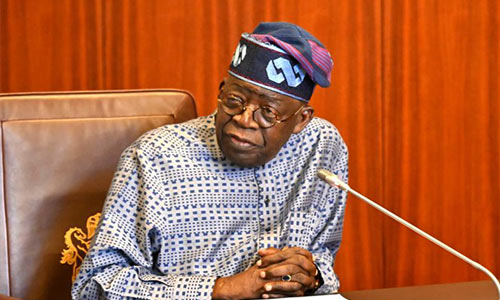
Tinubu: Nigerian Universities IPPIS Removal, Recruitment Waivers Granted
Summary
- President Bola Tinubu announced the removal of Nigerian universities from the Integrated Personnel and Payroll Information System (IPPIS).
- Universities are also no longer required to obtain recruitment waivers from the Federal Government.
- These changes aim to strengthen institutional autonomy for higher education institutions.
- The policy is intended to make the university system more efficient, responsive, and competitive.
- President Tinubu made this announcement at a Federal University's maiden convocation ceremony.
Major Policy Shift for Universities
President Tinubu explicitly linked the removal of universities from IPPIS and the waiver requirement to a strategic objective: to bolster institutional autonomy.
President Bola Tinubu recently announced a significant change in the operational framework for Nigerian universities, signaling a new era for higher education administration. The Federal Government has officially exempted these institutions from two long-standing administrative requirements: the need to obtain recruitment waivers and mandatory inclusion in the Integrated Personnel and Payroll Information System (IPPIS). This decision marks a pivotal moment for how federal universities will manage their human resources and financial operations moving forward.
The directive, articulated by President Tinubu, signifies a deliberate move away from centralized control over university staffing and financial management. Previously, federal universities were mandated to seek special approvals from the government for hiring new personnel, a process that often led to considerable delays and bureaucratic hurdles, impacting their ability to fill critical academic and administrative positions promptly. Similarly, their payrolls were managed through the IPPIS, a system designed to centralize government employee records and payments across various federal agencies.
This policy adjustment was unveiled during the maiden convocation ceremony of a Federal University, where President Tinubu elaborated on the rationale behind the government's decision. The announcement underscores a broader strategy to empower these academic institutions with greater operational freedom and reduce the administrative burden they faced under the previous system.
Enhancing Institutional Autonomy and Efficiency
President Tinubu explicitly linked the removal of universities from IPPIS and the waiver requirement to a strategic objective: to bolster institutional autonomy. This move is intended to grant universities substantially greater control over their internal affairs, particularly concerning human resources and financial administration, thereby fostering a more self-governing and independent academic environment. The aim is to allow university leadership to make decisions that are best suited for their specific institutional needs.
Beyond the goal of enhanced autonomy, the Federal Government's decision is also driven by an ambition to cultivate a more efficient, responsive, and competitive university system in Nigeria. By streamlining recruitment processes and decentralizing payroll management, the administration anticipates that universities will be better positioned to react swiftly to their staffing needs and operational demands. This is expected to significantly enhance their overall effectiveness, academic output, and ability to compete regionally and internationally for talent and research opportunities.
The policy reflects a broader re-evaluation of the Federal Government's education policy, seeking to reduce bureaucratic bottlenecks that may have previously hindered the growth and development of higher education institutions. The emphasis is now firmly on empowering university leadership to make critical decisions that directly impact their academic and administrative functions without undue external interference, aligning with the "university autonomy Nigeria Tinubu" vision.
Implications for University Operations and Employment
The exemption from recruitment waivers means that Nigerian universities now possess the direct authority to manage their hiring processes independently. This could lead to faster and more tailored recruitment of academic and non-academic staff, allowing institutions to attract and retain specialized talent more effectively. This newfound freedom in staffing decisions could significantly impact the quality and composition of university workforces, addressing specific departmental needs without federal oversight on individual hires.
Similarly, the removal from IPPIS for higher education institutions implies that universities will regain direct control over their payroll systems. This shift could lead to more flexible and institution-specific payment structures, moving away from the standardized federal government payroll system. This change has direct implications for Nigerian university employment law, internal HR practices, and potentially, collective bargaining agreements, as universities will now manage their own payrolls.
This significant policy change by the Tinubu administration is poised to redefine the relationship between the Federal Government and its universities, granting them substantial operational independence. It signals a commitment to fostering a more dynamic and self-reliant higher education sector, with universities expected to leverage this autonomy to drive innovation, academic excellence, and improved service delivery, ultimately impacting the entire landscape of IPPIS higher education Nigeria.
Practical Implications
Lawyers advising Nigerian universities or their staff should note the increased institutional autonomy regarding recruitment and payroll, which may necessitate a review of internal employment policies, compliance frameworks, and collective bargaining agreements to align with the new operational freedom.
Source
How does this affect you?
Get an AI analysis of this article grounded in your jurisdictions, practice areas, and any policy documents you've uploaded to Wansom.
Finish Reading the Full Story and the Expert Analysis.
Get the latest legal & regulatory intelligence in Nigeria
Wansom is AI and can make mistakes.