
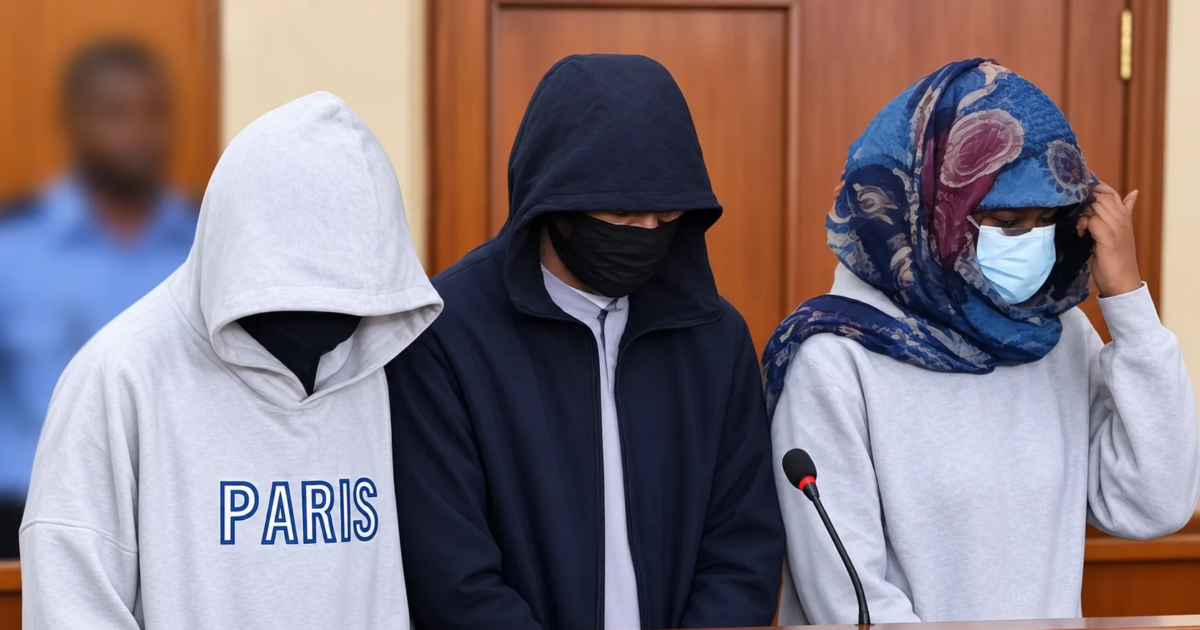
Kenya ODPP: Thandie Malaika Gitao Murder Charge Confirmed
Summary
- Thandie Malaika Gitao faces a murder charge in Kenya for the death of her 86-year-old grandmother, Dorita Lasinder Macharia.
- Her mother, Regina Re, and another family member are charged as accessories after the fact to murder.
- The ODPP confirmed these charges after investigations revealed the victim died from severe blood loss due to multiple stab wounds to the neck.
- Thandie will be arraigned in Kibera High Court under Penal Code Sections 203 and 204, while Regina Re faces charges under Sections 222 and 396(1) in the Chief Magistrates Court.
- A defense request for the accused to attend the victim's burial was denied by the court due to the gravity of the charges and concerns about absconding.
Principal and Accessory Charges Confirmed
This case provides a live example of the ODPP's prosecutorial strategy in distinguishing between principal murder charges and accessory after the fact liability under the Kenyan Penal Code.
The Office of the Director of Public Prosecutions (ODPP) has formally confirmed its decision to pursue a murder charge against Thandie Malaika Wanjiko Gitao in Kenya, following the death of her 86-year-old grandmother, Dorita Lasinder Macharia. This significant development, announced in court on Tuesday, November 17, comes after the conclusion of a thorough investigation into the incident. The ODPP's Homicide Department, which received the investigation file, made the final charging decision on the same day.
Thandie Malaika Wanjiko Gitao is scheduled for arraignment before the Kibera High Court on Wednesday, November 18, to face the murder charge. This charge falls under Sections 203 and 204 of the Kenya Penal Code. The prosecution has already prepared and registered the necessary information, identifying the case as Kibera High Court Criminal Case E022 of 2026. Simultaneously, her mother, Regina Wambui Macharia Gitao, widely known as actress Regina Re, along with another family member, will appear before the Kibera Chief Magistrates Court to face charges of being accessories after the fact to murder. These charges are based on Section 222 and Section 396(1) of the Penal Code, with their respective charge sheets slated for registration on the morning of their plea-taking.
Investigation Reveals Violent Death
The ODPP's charging decision stems from the detailed findings of the investigation into Dorita Lasinder Macharia's demise. A postmortem examination, conducted by government pathologist Dr. Bernard Midia on Tuesday, November 3, conclusively determined that the elderly woman died from severe blood loss. This fatal hemorrhage was a direct consequence of multiple stab wounds inflicted upon her neck.
Dr. Midia's examination specifically identified two deep wounds that had critically damaged blood vessels in the neck, leading to massive external bleeding. Furthermore, the postmortem revealed additional sharp-force injuries and cuts across various parts of her body, underscoring the violent nature of the attack. These forensic findings were crucial in guiding the ODPP's Homicide Department to its final determination regarding the appropriate charges.
Court Denies Burial Attendance Request
During the court proceedings on Tuesday, November 17, a notable exchange occurred regarding the accused individuals' attendance at the deceased's memorial service and burial. Defense counsel requested that the respondents be permitted to attend these events, which were scheduled to take place in Burano on Wednesday. The defense argued that allowing their attendance would facilitate family closure and highlighted the respondents' cooperation with investigators throughout the inquiry, emphasizing their lack of attempts to interfere with the process.
However, the prosecution vehemently opposed this request. Citing the grave nature of the charges and the respondents' awareness of the impending legal action, the prosecution expressed significant concerns about a high risk of absconding if they were released. Additionally, the prosecution raised practical issues regarding the ability to guarantee the respondents' security should they be permitted to attend the burial. Ultimately, the court ruled that the respondents would remain at Gigiri Police Station, marking the miscellaneous application as closed following the decision to prefer charges. The prosecution confirmed its readiness to proceed with plea-taking the following day, November 18.
Legal Strategy and Precedent
This case provides a live example of the ODPP's prosecutorial strategy in distinguishing between principal murder charges and accessory after the fact liability under the Kenyan Penal Code. The clear separation of charges, with Thandie Malaika Gitao facing the primary murder count under Sections 203 and 204, while Regina Re and another individual are charged as accessories under Sections 222 and 396(1), illustrates a nuanced application of criminal law. This approach highlights the ODPP's assessment of each individual's role in the alleged crime, from direct involvement to subsequent assistance.
Lawyers observing this case, particularly Kibera High Court Criminal Case E022 of 2026, will note the court's handling of bail applications for serious offenses and the specific application of these Penal Code sections. The prosecution's successful argument against temporary release, based on the severity of the charges and the perceived flight risk, offers insights into the judicial considerations for such requests. This distinction in charging decisions and the court's stance on pre-trial release could inform future defense strategies or compliance advice concerning aiding or abetting criminal acts post-offense.
Practical Implications
This case provides a live example of the ODPP's prosecutorial strategy in distinguishing between principal murder charges and accessory after the fact liability under the Kenyan Penal Code. Lawyers should observe the court's handling of bail applications for serious offenses and the specific application of Sections 203, 204, 222, and 396(1), which could inform defense strategies or compliance advice regarding aiding or abetting criminal acts post-offense.
Source
How does this affect you?
Get an AI analysis of this article grounded in your jurisdictions, practice areas, and any policy documents you've uploaded to Wansom.
Finish Reading the Full Story and the Expert Analysis.
Get the latest legal & regulatory intelligence in Kenya
Wansom is AI and can make mistakes.