
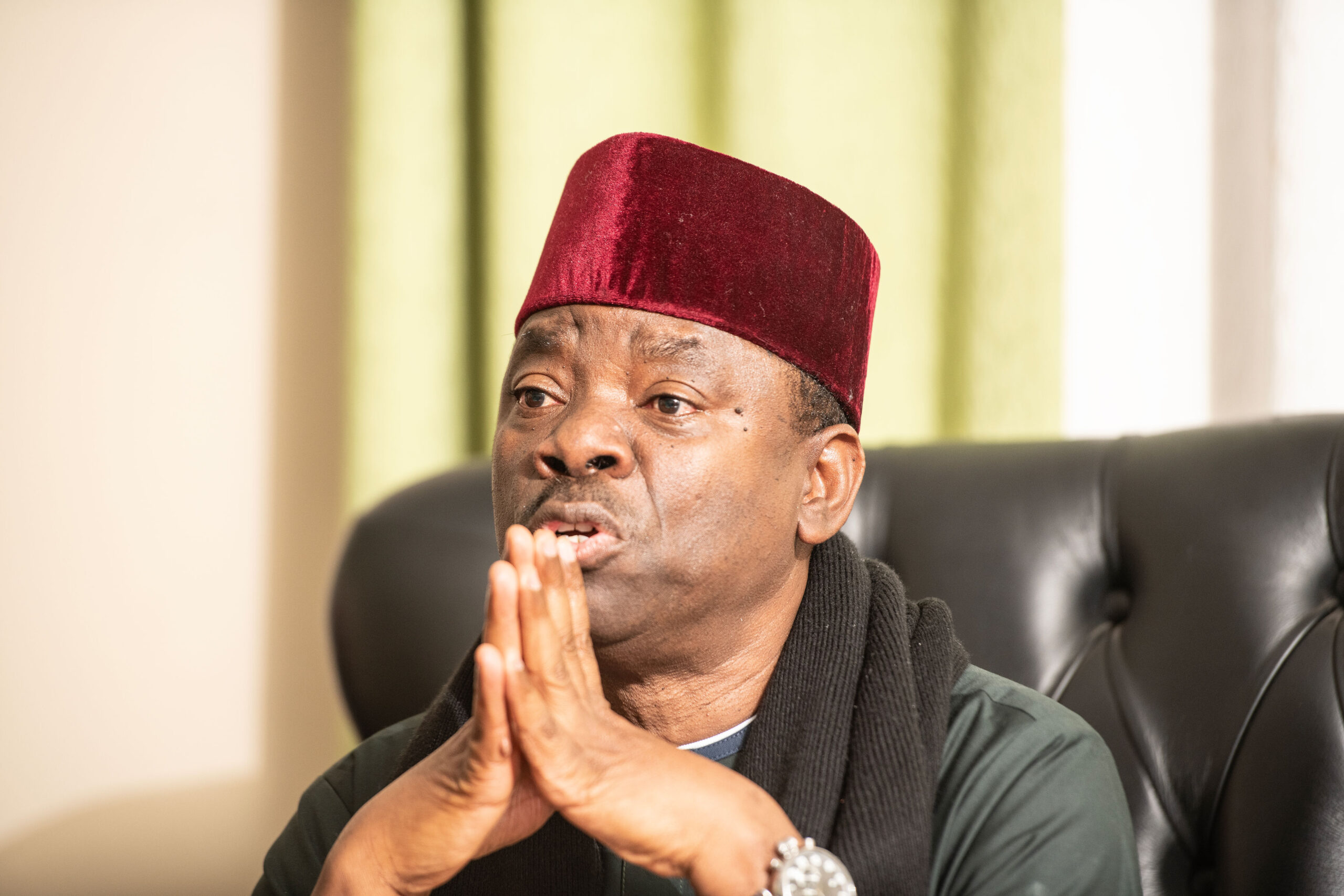
Temitope Ajayi: Nigerians' Status Fuels South Africa Xenophobia
Summary
- Acting High Commissioner Temitope Ajayi discussed the vulnerability of Nigerians to xenophobia in South Africa.
- Many individuals initially entered South Africa legally but later became undocumented.
- The interview explored how governments can work to change the narrative surrounding foreign nationals.
- This shift from legal to undocumented status contributes significantly to migrants' precarious situation.
Understanding Migrant Vulnerability
The revelation that many Nigerian migrants transition from legal entry to undocumented status has profound implications for their rights and overall protection in South Africa.
Acting High Commissioner Temitope Ajayi recently shed light on a critical factor contributing to the vulnerability of Nigerian migrants in South Africa amidst ongoing xenophobic sentiments. In a recent interview, Ajayi highlighted a significant pattern concerning the legal status of many individuals. She noted that numerous people initially entered South Africa through legal channels. However, their status subsequently changed, leading them to become undocumented. The specific reasons for this transition from legal entry to undocumented residency were not fully elaborated in the reported statement.
This observation underscores a complex challenge faced by Nigerian migrants, where an initial lawful presence does not guarantee sustained legal status, thereby exposing them to heightened risks. This precarious legal standing is a central theme in discussions surrounding the persistent issue of xenophobia targeting Nigerian communities in South Africa. The Acting High Commissioner's remarks suggest that understanding the pathways to undocumented status is crucial for addressing the root causes of vulnerability.
Such a situation can complicate efforts to protect migrant rights and provide necessary support, especially when individuals may be hesitant to seek assistance due to their altered legal standing. The interview aimed to explore not only the reasons behind this vulnerability but also potential governmental strategies to reshape public perception and improve conditions for foreign nationals.
Diplomatic Perspectives on Xenophobia
The interview with Acting High Commissioner Temitope Ajayi served as a platform to address the persistent issue of xenophobia affecting Nigerian migrants in South Africa. Ajayi's insights are part of a broader diplomatic effort to understand and mitigate the challenges faced by foreign nationals. The discussion centered on why Nigerians continue to be susceptible to anti-foreigner violence and discrimination within South Africa. This diplomatic engagement underscores the ongoing need for governmental intervention and policy adjustments to safeguard migrant communities.
A key focus of the High Commissioner's dialogue was the imperative for governments to actively work towards changing the prevailing narrative surrounding foreign nationals. This involves not only addressing the immediate concerns of safety and security but also tackling the underlying prejudices that fuel xenophobic attacks. The call for a shift in narrative suggests a recognition that public perception and official discourse play a significant role in either exacerbating or alleviating tensions between local populations and migrant communities. Such diplomatic solutions are essential for fostering a more inclusive environment and ensuring the protection of all residents, regardless of their origin or legal status.
Implications for Migrant Rights and Protection
The revelation that many Nigerian migrants transition from legal entry to undocumented status has profound implications for their rights and overall protection in South Africa. Individuals without formal legal documentation often face significant barriers to accessing essential services, securing stable employment, and seeking legal recourse when their rights are violated. This vulnerability is further compounded in environments where anti-foreigner sentiment, often referred to as SA xenophobia, is prevalent, making them easier targets for exploitation or violence.
Addressing this complex issue requires concerted efforts from both the Nigerian and South African governments, as highlighted by Acting High Commissioner Temitope Ajayi. The discussion around how governments can change the narrative points to the need for comprehensive strategies that go beyond immediate crisis response. These strategies would ideally include reviewing immigration policies, providing clearer pathways to legal residency, and implementing public awareness campaigns to combat misinformation and prejudice. Ultimately, ensuring the safety and dignity of Nigerian migrants in South Africa necessitates a multi-faceted approach that tackles both the legal ambiguities and the societal attitudes contributing to their ongoing vulnerability.
Practical Implications
Lawyers advising Nigerian clients in South Africa, especially those with precarious legal status, should monitor diplomatic and governmental efforts to address xenophobia and ensure the protection of migrant rights. This article highlights the ongoing vulnerability and the need for legal practitioners to stay informed on policy changes and support mechanisms.
Source
How does this affect you?
Get an AI analysis of this article grounded in your jurisdictions, practice areas, and any policy documents you've uploaded to Wansom.
Finish Reading the Full Story and the Expert Analysis.
Get the latest legal & regulatory intelligence in Nigeria
Wansom is AI and can make mistakes.