
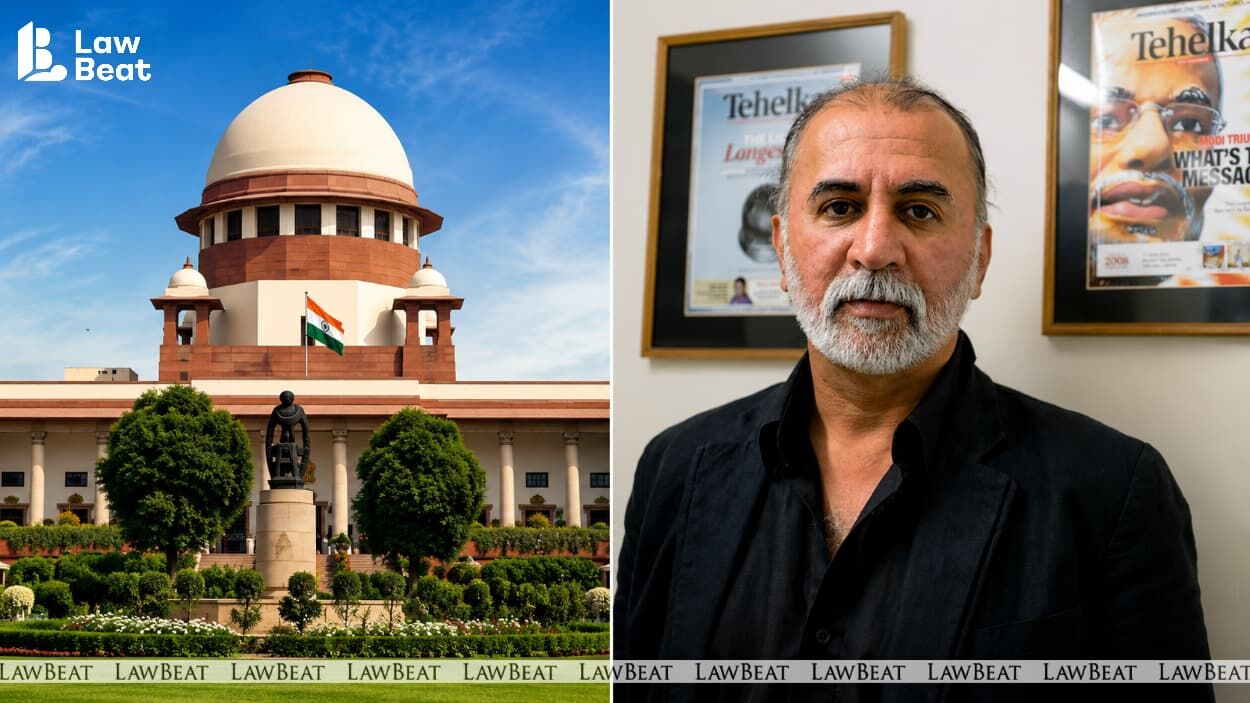
Supreme Court: Tarun Tejpal Challenges 2013 Rape Conviction
Summary
- Tarun Tejpal moves Supreme Court against 2013 rape conviction
- Goa government seeks enhancement of 10-year sentence awarded by High Court
- Case dates back to November 2013, when a junior Tehelka employee accused Tejpal of sexual assault
- High Court overturned trial court acquittal, imposing 10-year sentence under Indian Penal Code provisions
The Supreme Court Intervention
The High Court observed that the incident had taken place around 13 years ago, and that Tejpal was now a senior citizen with a wife and two daughters.
Tarun Tejpal's decision to move the Supreme Court against his 2013 rape conviction has significant implications for his case and potentially others like it. The former Tehelka Editor-in-Chief was convicted by the Goa Bench of the Bombay High Court in August, overturning a trial court acquittal from five years ago. Tejpal's petition challenges both the underlying conviction and the 10-year prison sentence awarded by the High Court. This move comes just two days after the Goa government approached the Supreme Court seeking to enhance the 10-year sentence. The case dates back to November 2013, when a junior Tehelka employee accused Tejpal of sexually assaulting her inside a hotel elevator at a Goa resort during the magazine's annual Thinkfest event.
Legal Context and Previous Proceedings
The trial court had acquitted Tejpal in 2021, but the High Court overturned this decision, describing the trial court's judgment as 'perverse' and criticising its approach to assessing the complainant's testimony. The High Court observed that the incident had taken place around 13 years ago, and that Tejpal was now a senior citizen with a wife and two daughters. This led to the imposition of a 10-year sentence under various provisions of the Indian Penal Code, including rape and assault or criminal force against a woman. Tejpal's lawyers argued for leniency, citing his good social record and lack of travel abroad due to his passport being with the authorities.
Why It Matters
The Supreme Court's intervention in this case may lead to a re-examination of previous convictions, potentially impacting clients' cases in similar situations. Lawyers representing clients in such cases should be aware that the Supreme Court's decision could have far-reaching consequences for their clients' futures. The High Court's judgment and sentence were based on the expectation that a survivor should behave like a 'perfect victim' to be considered credible, which has been widely criticised. This case highlights the complexities of rape convictions and the need for a more nuanced approach in assessing testimony.
Practical Implications
Lawyers representing clients in similar cases should be aware that the Supreme Court's intervention may lead to a re-examination of previous convictions, potentially impacting their own clients' cases.
Source
Source: Original reporting via [Source]
How does this affect you?
Get an AI analysis of this article grounded in your jurisdictions, practice areas, and any policy documents you've uploaded to Wansom.
Wansom is AI and can make mistakes.