
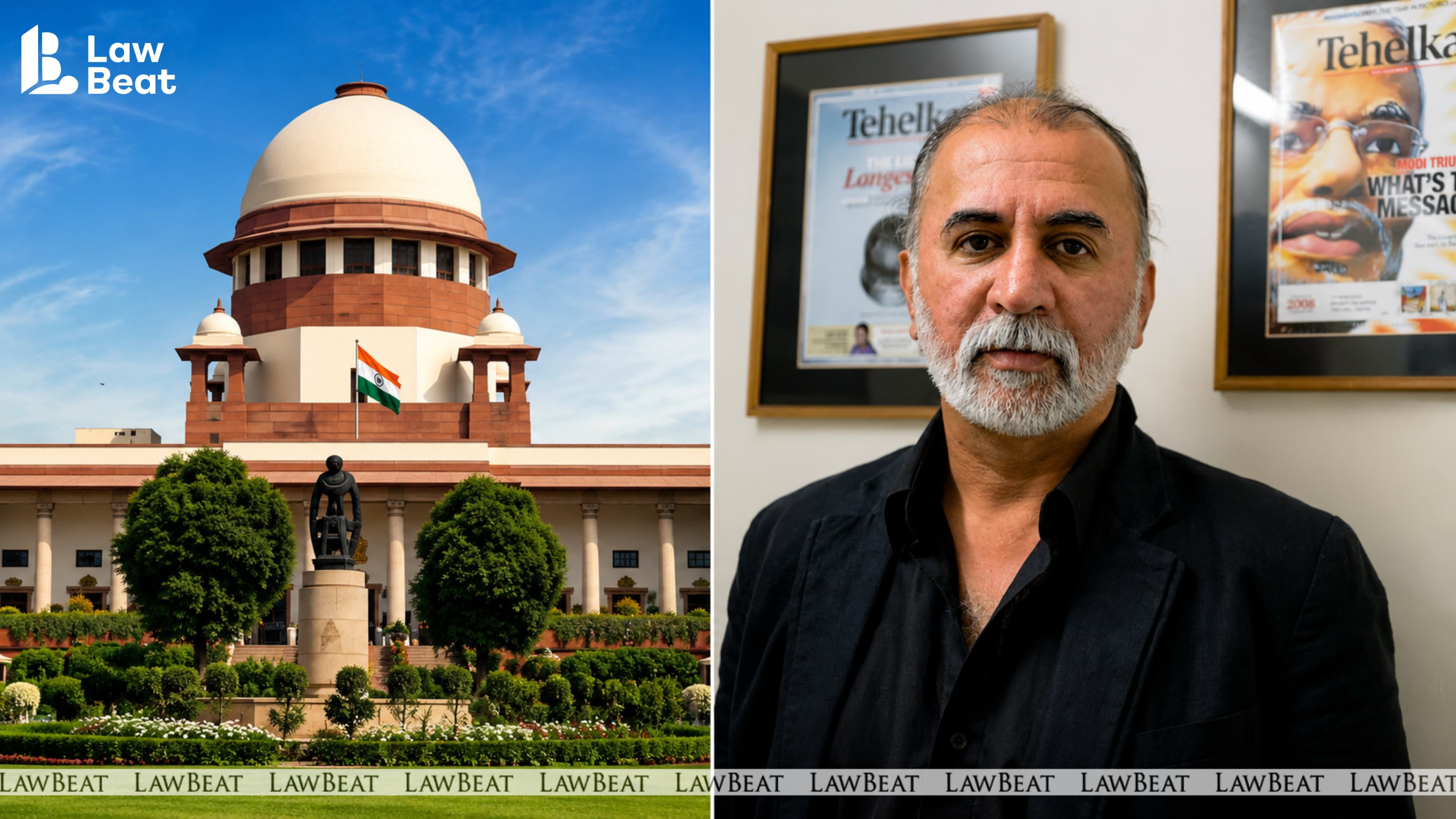
Supreme Court: Tarun Tejpal 2013 Rape Case Hearing Scheduled
Summary
- Former Tehelka editor Tarun Tejpal is challenging his 10-year rigorous imprisonment sentence in the Supreme Court.
- Tejpal was acquitted by a trial court in 2021 but later convicted by the Bombay High Court for a 2013 sexual assault case.
- The State of Goa has also filed a plea with the Supreme Court, seeking to enhance Tejpal's sentence to life imprisonment.
- The Supreme Court has scheduled the final hearing for the case, Tarun Tejpal v. State of Goa, on November 3, 2026.
- The case involves charges under various IPC sections, including 376(2)(f) and 376(2)(k), related to rape by a person in authority.
Background to the Case
Lawyers practicing criminal law, especially those involved in sexual assault cases and appeals, should closely monitor the Supreme Court's final hearing in Tarun Tejpal's case.
The legal saga involving former Tehelka editor-in-chief Tarun Tejpal stems from a 2013 sexual assault allegation. A junior employee accused Tejpal of sexually assaulting her within a hotel elevator at a Goa resort during the magazine's annual Thinkfest event in November of that year. Following the complaint, Tejpal faced charges under several sections of the Indian Penal Code (IPC), including those pertaining to wrongful restraint (Section 341), wrongful confinement (Section 342), assault with intent to outrage modesty (Section 354), sexual harassment (Section 354-A), assault with intent to disrobe (Section 354-B), and specific provisions for rape by a person in a position of authority (Section 376(2)(f)) and control (Section 376(2)(k)).
In May 2021, a trial court acquitted Tejpal of all charges. However, this acquittal was subsequently challenged by the State of Goa. The Bombay High Court, specifically its Goa Bench, overturned the trial court's decision, convicting Tejpal and imposing a sentence of 10 years' rigorous imprisonment. This judgment was delivered on August 6, with the High Court directing the 63-year-old journalist to surrender to the Goa Police within four weeks. The High Court notably characterized the trial court's initial judgment as "perverse" and criticized its methodology for evaluating the complainant's testimony, particularly its expectation that a survivor should exhibit characteristics of a "perfect victim" to be deemed credible.
Supreme Court Proceedings Underway
The Supreme Court of India is now poised to conduct a final hearing in the high-profile Tarun Tejpal v. State of Goa case on November 3, 2026. This hearing will address Tejpal's challenge to the Bombay High Court's judgment, which sentenced him to a decade of rigorous imprisonment. A bench comprising Justices M.M. Sundresh and Prasanna B. Varale is presiding over the matter. Senior Advocate Kapil Sibal is representing Tejpal, while Solicitor General Tushar Mehta is appearing for the State of Goa.
During recent proceedings, Solicitor General Mehta informed the bench that the state's reply had been duly filed, suggesting the matter was ready for a final hearing. Conversely, Senior Advocate Sibal requested an earlier date for the hearing. The Supreme Court had previously issued notice to the State of Goa regarding Tejpal's plea. Sibal had highlighted that the case involved the reversal of an acquittal by the High Court and confirmed that Tejpal had surrendered in compliance with the High Court's directives. Earlier, in August, a bench led by Justice Alok Aradhe had instructed Tejpal to surrender within three weeks and submit a surrender certificate by September 22, paving the way for his appeal to be heard on its merits.
Competing Appeals and Broader Implications
Beyond Tejpal's appeal against his 10-year sentence, the State of Goa has also approached the Supreme Court with its own plea. The Goa government is seeking an enhancement of Tejpal’s sentence to life imprisonment, though it is not contesting the finding of conviction itself. This dual appeal scenario sets the stage for a comprehensive review by the apex court. The Supreme Court's final decision in this sexual assault case in India could establish significant precedents, particularly concerning the overturning of acquittals and the application of sentencing guidelines in such matters.
Lawyers practicing criminal law, especially those involved in sexual assault cases and appeals, should closely monitor the Supreme Court's final hearing in Tarun Tejpal's case. The outcome could set significant precedents regarding the overturning of acquittals, sentencing guidelines, and the Supreme Court's approach to evidence in high-profile sexual offense matters, potentially influencing future defense and prosecution strategies. The case of Tarun Tejpal v. State of Goa underscores the complexities of legal proceedings in sexual offense allegations and the critical role of higher courts in ensuring justice.
Practical Implications
Lawyers practicing criminal law, particularly those involved in sexual assault cases and appeals, should closely monitor the Supreme Court's final hearing in Tarun Tejpal's case. The outcome could set significant precedents regarding the overturning of acquittals, sentencing guidelines, and the Supreme Court's approach to evidence in high-profile sexual offense matters, potentially influencing future defense and prosecution strategies.
Source
How does this affect you?
Get an AI analysis of this article grounded in your jurisdictions, practice areas, and any policy documents you've uploaded to Wansom.
Finish Reading the Full Story and the Expert Analysis.
Get the latest legal & regulatory intelligence in India
Wansom is AI and can make mistakes.